
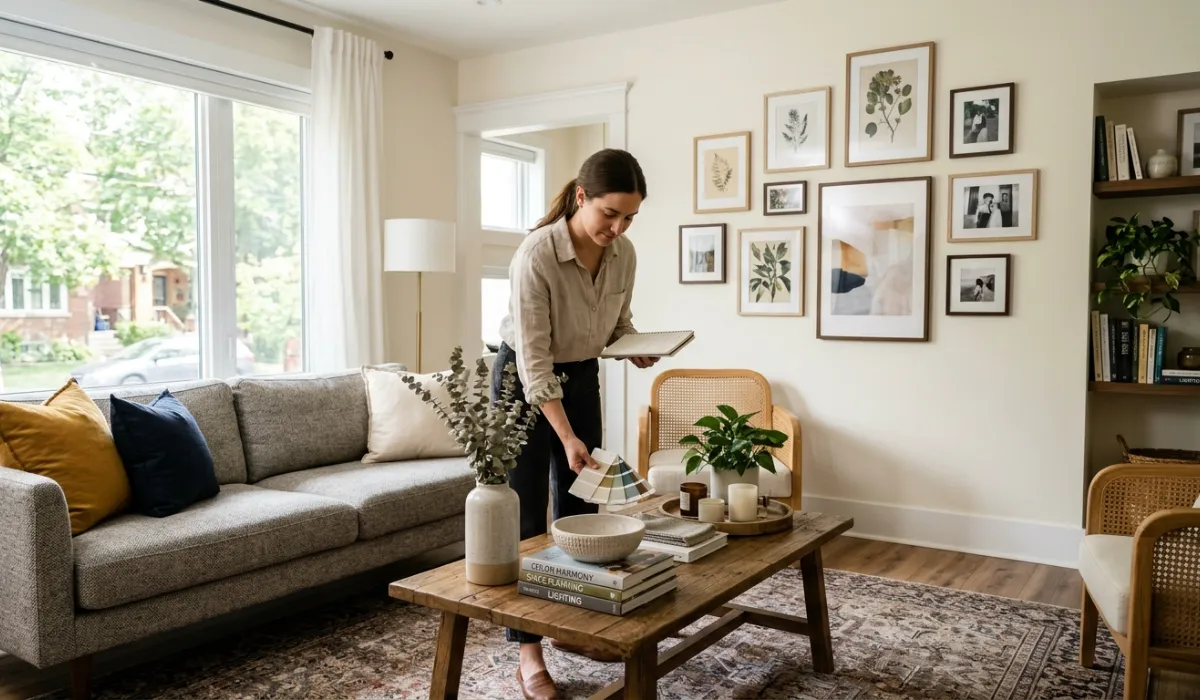
The best interior design tips help you create a home that looks attractive, feels comfortable, and supports your everyday lifestyle. You do not need expensive furniture, designer accessories, or a complete renovation to improve your living space. Small, thoughtful changes to your furniture arrangement, lighting, colors, and decorations can make a noticeable difference.
Whether you live in a small apartment, a traditional family home, or a spacious modern house in the United States, the goal is to balance appearance with practicality. Every room should have a clear purpose while reflecting your personal taste.
From choosing the right furniture to combining textures and making the most of natural light, this guide explains practical ways to improve your home’s interior without wasting money on unnecessary purchases.
1. Plan Your Room Layout Before Buying Furniture
One of the most useful interior design tips is to start with the room itself rather than shopping for decorations. Understanding the available space helps you choose furniture that fits comfortably and prevents an overcrowded appearance.
Begin by measuring the room’s length and width. Record the locations of doors, windows, electrical outlets, and other features that may affect furniture placement.
Create a Comfortable Furniture Arrangement
Think about how you use the room before deciding where everything belongs.
- In a living room, arrange seating to encourage conversation and provide convenient access to walkways.
- In a bedroom, position the bed so you can move around it comfortably and access storage easily.
- In a dining room, allow enough room to pull chairs away from the table without blocking nearby doors.
- In a home office, position the desk where you have suitable lighting and enough space for your work equipment.
You can use painter’s tape to mark the approximate dimensions of furniture on the floor before purchasing anything. This simple method helps you visualize the layout and identify potential problems.
Leave Enough Open Space
Avoid filling every corner with furniture or decorative objects. Open areas make movement easier and allow important pieces to stand out.
Furniture does not always need to sit directly against the walls. In a sufficiently large living room, moving a sofa slightly forward can create a more inviting seating arrangement. In a smaller room, however, keeping furniture closer to the walls may preserve valuable walking space.
The right layout depends on the room’s proportions, entrances, and daily activities.
2. Choose a Color Palette That Connects Your Home
Color influences the atmosphere of a room and helps different design elements feel connected. A carefully chosen palette can make a home appear coordinated without making every room look identical.
Start with two or three colors that work well together, then introduce additional shades through artwork, textiles, and accessories.
Start With a Foundation Color
Neutral colors such as warm white, beige, gray, and soft taupe provide flexible backgrounds for furniture and decorations. They can also work well with natural wood, stone, and woven materials.
However, neutral colors are not your only option. Muted greens, dusty blues, terracotta, and other earthy shades can create warmth and personality.
Consider the room’s existing features before selecting paint. Flooring, countertops, cabinets, and large furniture pieces may already contain colors that should influence your decision.
Add Accent Colors Carefully
Accent colors help prevent a room from looking flat or overly uniform. You can introduce them through:
- Decorative cushions and throws
- Framed artwork
- Area rugs
- Ceramic vases and table accessories
- Curtains and upholstered chairs
- Flowers and indoor plants
For example, a living room with cream walls and a neutral sofa could benefit from olive-green cushions, a patterned rug, and a few dark wood accessories.
Before painting an entire room, test sample colors on the wall. Observe them in natural daylight and under your evening lighting because the appearance of paint can change throughout the day.
3. Layer Different Types of Lighting
Lighting affects how you see colors, textures, furniture, and architectural details. A room that relies entirely on one overhead fixture may feel harsh or lack depth, even when its furnishings are attractive.
A better approach combines several lighting types to support different activities.
Understand the Three Main Lighting Types
| Lighting type | Main purpose | Examples |
|---|---|---|
| Ambient lighting | Provides general illumination | Ceiling fixtures, recessed lights |
| Task lighting | Illuminates specific activities | Desk lamps, reading lamps, under-cabinet lights |
| Accent lighting | Highlights selected features | Picture lights, spotlights, decorative wall lights |
You do not need every type in every room. Choose fixtures according to the activities and atmosphere you want to support.
For example, a bedroom might combine a ceiling fixture with bedside lamps and a small accent light near artwork. A kitchen may benefit from general ceiling lighting and focused illumination over countertops.
Make Better Use of Natural Light
Keep windows unobstructed where possible, and select window treatments that suit your privacy needs and the amount of sunlight entering the room.
Mirrors can help distribute available daylight when positioned thoughtfully. Placing a mirror near or opposite a window may reflect light into darker areas, although the result depends on the window’s orientation and surrounding surfaces.
Warm-toned bulbs can create a relaxed atmosphere in living rooms and bedrooms, while kitchens and work areas may benefit from lighting selected for clear visibility.
4. Select Furniture That Fits the Room
Furniture should suit both the size of the room and the way you intend to use it. An oversized sectional may overwhelm a small living room, while tiny furniture can look disconnected in a large, open space.
One of the most practical interior design tips is to prioritize furniture dimensions before considering its appearance.
Invest in the Main Furniture Pieces First
Identify the largest or most frequently used item in each room.
- Living room: sofa or sectional
- Bedroom: bed
- Dining room: dining table
- Home office: desk and office chair
Choose these anchor pieces first, then select smaller furniture and accessories that complement them.
Measure the furniture as well as the room. Check its depth, width, and height, and consider how it will pass through hallways, staircases, and doorways during delivery.
Balance Appearance With Everyday Needs
Your furniture should accommodate your household rather than force everyone to change their habits.
If you have children or pets, washable covers and durable upholstery may be more practical than delicate materials. If you regularly host guests, flexible seating or an extendable dining table could be useful.
In compact homes, nesting tables, storage ottomans, and furniture with built-in storage can provide additional functionality without requiring separate pieces for every purpose.
5. Use Area Rugs to Define Spaces
An area rug can visually connect furniture, introduce color, and make a room feel more complete. In open-plan homes, rugs are particularly useful for distinguishing a living area from a dining space without installing physical dividers.
Choose the Right Rug Size
A common decorating mistake is selecting a rug that is too small for the furniture arrangement.
In a living room, choose a rug large enough to anchor the main seating area. Ideally, the front legs of the sofa and chairs should rest on the rug, depending on the layout and available floor space.
For dining areas, consider a rug that allows chairs to remain on the rug when pulled away from the table. Select a material that can handle food spills and frequent cleaning.
Coordinate Patterns and Textures
If your furniture is mostly solid-colored, a patterned rug can add interest. In a room that already contains patterned curtains, cushions, and artwork, a simpler rug may create a better balance.
Consider the rug’s texture, too. Wool, cotton, jute, and synthetic fibers have different maintenance requirements and levels of softness. Choose a material that suits the room’s traffic, cleaning needs, and intended use.
6. Mix Textures to Add Warmth and Depth
A room can feel unfinished when every surface has the same texture. Combining different materials creates contrast and makes the overall design more interesting.
For example, a neutral living room could include a linen sofa, a wooden coffee table, a woven basket, a soft wool throw, and a ceramic lamp.
These materials provide variety without requiring dramatic colors or expensive decorations.
Combine Materials That Complement Each Other
Try combining:
- Wood with metal accents
- Smooth stone with woven textiles
- Leather with soft cushions
- Glass with natural wood
- Linen with wool or cotton
- Matte finishes with selected glossy surfaces
The goal is to create contrast without introducing too many competing elements.
You can also mix furniture from different periods. An older wooden cabinet or vintage chair may work beautifully alongside modern lighting and contemporary artwork.
Rather than purchasing an entire matching furniture set, select pieces that share a common color, material, shape, or visual character.
7. Decorate With Artwork and Personal Objects
Personal details help distinguish a lived-in home from a showroom. Artwork, family photographs, travel souvenirs, books, and inherited objects can give rooms character and meaning.
Choose decorations because you enjoy them or because they contribute something useful to the space, rather than buying accessories simply to fill empty surfaces.
Hang Artwork at a Suitable Height
Artwork should relate to the furniture and surrounding wall space. A small picture above a large sofa may look disconnected, while an oversized piece can overwhelm a narrow wall.
As a general starting point, many galleries use approximately 57 to 60 inches from the floor to the center of an artwork. This is a guideline rather than a strict rule, and the ideal position may change depending on ceiling height, furniture, and the artwork itself.
For a gallery wall, arrange the pieces on the floor first. Experiment with spacing and alignment before putting holes in the wall.
Style Shelves and Tables With Intention
When decorating shelves or coffee tables, combine objects of different heights and shapes. A small stack of books, a ceramic bowl, and a vase can create a simple arrangement.
Leave some surfaces relatively clear so the objects remain visible and the room does not feel cluttered.
8. Keep Clutter Under Control With Smart Storage
Even a beautifully decorated room can feel uncomfortable when everyday items have no designated place. Effective storage helps maintain a tidy appearance while making frequently used belongings easier to find.
Start by identifying what you actually use. Remove unnecessary items before purchasing organizers, baskets, or additional furniture.
Use Storage That Matches Your Lifestyle
Practical storage solutions include:
- Baskets for blankets, toys, or everyday accessories
- Drawer organizers for small household items
- Closed cabinets for items you do not want on display
- Wall-mounted shelves for books and selected decorations
- Entryway hooks and shoe storage
- Storage benches for bedrooms or hallways
In kitchens, keep frequently used cooking equipment accessible while storing occasional-use appliances elsewhere.
For open shelves, avoid displaying every item you own. Group similar objects together and leave enough empty space to make the arrangement easy to maintain.
Conceal Cords Without Compromising Safety
Loose cables can make a room appear untidy. Cable-management clips, appropriately rated cord covers, and purpose-built furniture can help organize them.
Follow the manufacturer’s instructions, keep electrical connections accessible where required, and avoid placing cords where they create tripping hazards or may overheat.
9. Bring Nature Indoors With Plants and Natural Materials
Indoor plants introduce organic shapes and varied shades of green into a room. They can soften the appearance of furniture and create a connection with the outdoors.
Choose plants according to the actual conditions in your home rather than appearance alone.
Select Plants for Your Available Light
Some plants tolerate lower-light conditions, while others require several hours of bright light. Check the needs of each species before deciding where to place it.
Consider these practical details:
- Available sunlight
- Watering frequency
- Humidity and temperature
- Available floor or shelf space
- Potential toxicity to children or pets
If maintaining live plants is difficult, branches, dried flowers, or other natural decorative elements can provide a similar visual effect.
Coordinate Plant Pots With Your Decor
Terracotta, woven baskets with suitable inner containers, ceramic pots, and simple neutral planters can complement different interior styles.
Use a mixture of plant heights and leaf shapes, but avoid overcrowding windowsills, shelves, and walking paths. A single larger plant may make a stronger visual statement than several small pots scattered throughout the room.
10. Make Small Rooms Feel More Open
Small rooms require careful choices because every piece of furniture and every decorative object occupies valuable space. The goal is not necessarily to make the room look empty, but to ensure it feels comfortable and easy to navigate.
Several interior design tips can help you achieve that balance.
Choose Furniture With a Lighter Visual Profile
Furniture with exposed legs can reveal more of the floor beneath it, helping the room feel less crowded. Glass or acrylic tables may also reduce visual heaviness, although their practicality and cleaning requirements should be considered.
Avoid selecting oversized furniture simply because it looks attractive in a showroom. Measure carefully and prioritize pieces that meet your actual needs.
Use Mirrors and Vertical Space
A well-positioned mirror can reflect daylight and create a greater sense of visual depth.
Curtains mounted closer to the ceiling can draw attention upward, provided the placement suits the window and wall proportions. Tall bookcases and vertical artwork can also emphasize height.
Use wall-mounted shelves when appropriate, but avoid covering every available wall with storage. A few carefully arranged items can be more effective than a dense collection of decorations.
11. Choose Window Treatments That Suit Your Home
Curtains and blinds affect privacy, natural light, and the visual proportions of a room. They also contribute texture and color, making them an important part of the overall design.
Consider the direction your windows face, how much sunlight enters the room, and whether you need privacy during the day or at night.
Compare Common Window Treatment Options
| Option | Best suited for | Main consideration |
|---|---|---|
| Sheer curtains | Soft daylight and a light appearance | Limited privacy at night |
| Blackout curtains | Bedrooms and rooms requiring strong light control | Can make a room feel heavier if poorly coordinated |
| Roller shades | Simple, compact window coverage | Fabric choice affects light and privacy |
| Blinds | Adjustable light and privacy | Slats may require regular cleaning |
| Layered curtains and shades | Flexible light control | Higher cost and more installation work |
Measure your windows carefully before ordering treatments. Consider the desired curtain length, mounting hardware, and how the fabric will hang when open and closed.
In rooms with strong afternoon sunlight, suitable window coverings may also help reduce glare and protect furnishings from excessive exposure.
12. Decorate According to Your Home’s Architectural Style
Interior design works best when decorations complement the building’s existing features. You do not have to follow one style throughout the entire house, but a degree of visual consistency helps rooms feel connected.
Find a Style That Reflects Your Preferences
Some common interior styles include:
- Modern: Clean lines, restrained decoration, and a focus on function.
- Traditional: Classic furniture forms, decorative details, and established patterns.
- Contemporary: Current design influences combined with adaptable materials and finishes.
- Farmhouse: Natural textures, practical furnishings, and rustic accents.
- Scandinavian: Simple forms, functional furniture, and an emphasis on light and natural materials.
- Eclectic: A deliberate combination of different styles, colors, periods, and personal collections.
Use these categories as starting points rather than strict rules. A traditional home can accommodate contemporary artwork, and a modern apartment can feel warmer with vintage furniture and natural textiles.
Look at your flooring, trim, doors, ceiling height, and other permanent features before making major design decisions.
13. Decorate on a Budget Without Sacrificing Style
A beautiful home does not require replacing everything at once. Often, the most effective improvements involve rearranging existing furniture, editing decorations, and making a few carefully selected purchases.
Begin with changes that solve a specific problem. If the room feels dark, review the lighting and window treatments. If it feels crowded, remove unnecessary furniture. If the design lacks personality, introduce artwork or meaningful objects.
Where to Spend and Where to Save
| Spend more attention or budget on | Consider affordable alternatives for |
|---|---|
| Frequently used seating | Decorative cushions |
| A supportive mattress | Small bedside accessories |
| Functional task lighting | Nonessential decorative lamps |
| Durable flooring or finishes | Seasonal decorations |
| Quality storage for everyday use | Decorative baskets and trays |
| Properly fitted window treatments | Simple accent accessories |
You can also shop secondhand, restore suitable existing furniture, change cabinet hardware, or repaint a small piece to refresh a room.
Avoid purchasing items simply because they are inexpensive. A low-cost object that does not fit the space may contribute to clutter rather than improve the design.
14. Common Interior Design Mistakes to Avoid
Even small decorating decisions can affect the overall appearance and functionality of a room. Recognizing common mistakes before buying furniture or accessories can save time and money.
Watch out for these problems:
- Buying furniture before measuring: This can lead to obstructed walkways and awkward arrangements.
- Using rugs that are too small: Undersized rugs may make furniture appear disconnected.
- Relying on one light source: A single fixture may not provide adequate lighting for every activity.
- Choosing paint without testing it: Colors can look different under natural and artificial light.
- Overdecorating surfaces: Too many small objects can make rooms feel busy and difficult to clean.
- Following every trend: Trend-driven purchases may not suit your home or long-term preferences.
- Ignoring storage needs: Attractive rooms are harder to maintain when everyday belongings lack a place.
- Matching everything too closely: Identical furniture and accessories can make a room feel impersonal.
- Ignoring household routines: Delicate fabrics and impractical layouts may not suit families with children, pets, or frequent guests.
A successful design does not need to follow every decorating rule. It needs to support the people who use the space while maintaining a thoughtful balance between function and appearance.
Conclusion
Effective interior design tips focus on making a home attractive, comfortable, and practical rather than filling it with expensive decorations. Start by planning your furniture layout, selecting a coordinated color palette, and improving the lighting. Then introduce suitable rugs, varied textures, artwork, plants, and storage solutions.
Work on one room at a time and make decisions based on how you live. Measure before purchasing, test paint colors before committing, and prioritize improvements that solve real problems.
Most importantly, let your home develop gradually. A well-designed space should reflect your preferences, accommodate your daily routines, and remain comfortable long after the latest decorating trends have passed.
Frequently Asked Questions
1. What are the most important interior design tips for beginners?
Start by measuring your room, planning the furniture arrangement, and identifying how the space will be used. Choose a coordinated color palette, incorporate suitable lighting, and add decorations gradually. These steps help you avoid unnecessary purchases and create a more functional home.
2. How can I make my home look more expensive on a budget?
Keep surfaces organized, select appropriately sized furniture, coordinate colors, and use layered lighting. Well-maintained curtains, attractive artwork, quality-looking hardware, and a few meaningful accessories can improve a room without requiring a complete renovation.
3. What colors make a room feel bigger?
Light neutrals such as warm white, pale beige, and soft gray can create an airy appearance when used thoughtfully. However, lighting, furniture scale, window placement, and visual clutter also influence how spacious a room feels. Darker colors can work beautifully in smaller rooms when a more intimate atmosphere is desired.
4. How many colors should I use in a room?
Two or three main colors provide a useful starting point, but there is no fixed limit. You can introduce additional shades through artwork, fabrics, and accessories. The important thing is to maintain a visual connection between the colors rather than allowing too many competing elements to dominate.
5. How can I improve my living room without buying new furniture?
Rearrange your existing seating, remove unnecessary clutter, change the position of lamps, and restyle your shelves. You can also rotate artwork from other rooms, introduce plants you already own, or rearrange cushions and throws to create a refreshed appearance.
6. What is the best way to decorate a small bedroom?
Choose furniture that fits the room, maintain clear walking paths, and use storage that reduces visible clutter. Wall-mounted lighting, suitable mirrors, and appropriately sized window treatments can help the room feel more open. Keep the arrangement simple without sacrificing the comfort and storage you need.
7. Should every room in a house have the same design style?
No. Individual rooms can have different personalities, especially when their functions differ. However, repeating selected colors, materials, finishes, or decorative details throughout the home can create a sense of continuity without making every space look identical.
8. How often should I update my home’s interior design?
There is no required schedule. Make changes when your needs, preferences, or household routines change. Small updates, such as rearranging accessories or changing textiles, can refresh a room, while larger changes should be based on practical needs, maintenance, and budget rather than trends alone.