
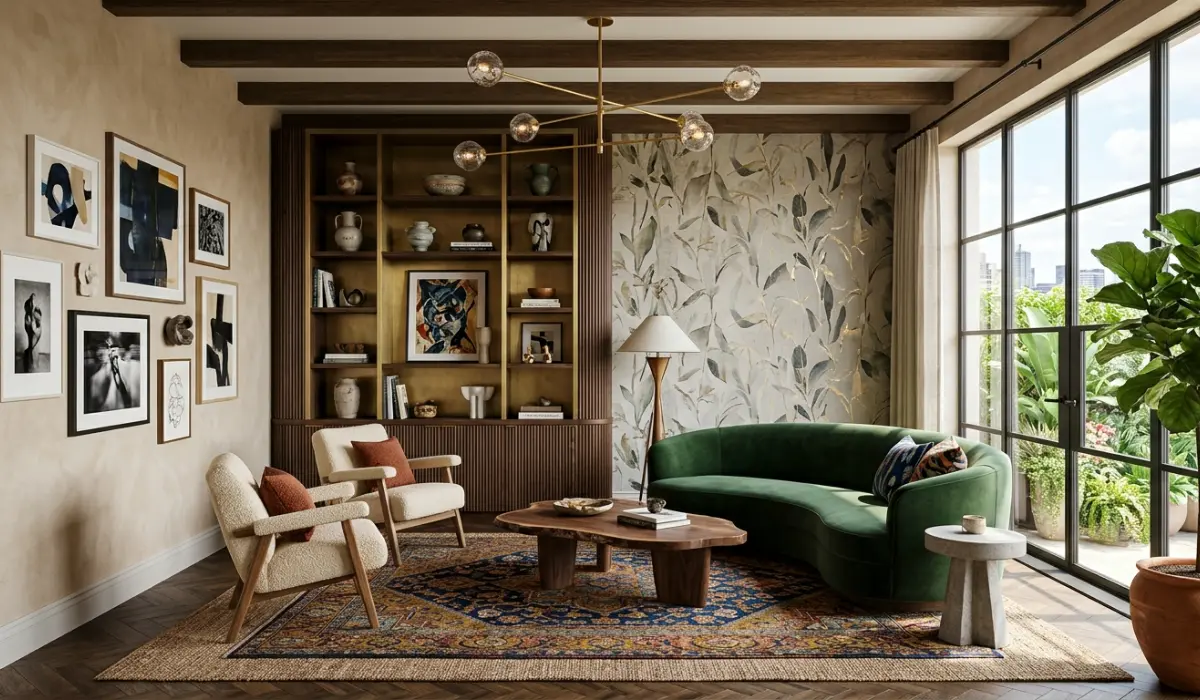
The best interior design suggestions help you create a home that reflects your personality while making everyday life easier. From choosing furniture and coordinating colors to improving lighting and organizing small spaces, thoughtful design decisions can transform a room without requiring a complete renovation.
Whether you own a suburban house, rent an apartment, or live in a compact urban home in the United States, the right approach begins with understanding your space. You can create a welcoming interior by combining practical furniture, balanced colors, comfortable textures, and decorations that have personal meaning.
Instead of following every decorating trend, focus on changes that suit your lifestyle, available space, and budget. The following ideas cover different rooms, design styles, and common decorating challenges to help you make informed decisions.
1. Start With a Clear Interior Design Plan
Before purchasing paint, furniture, or accessories, decide what you want each room to accomplish. A living room used for family movie nights needs a different layout from one designed primarily for entertaining guests.
Begin by measuring the room, identifying its main features, and noting any existing furniture you want to keep. Windows, doors, electrical outlets, fireplaces, and built-in cabinets can all influence your design decisions.
Identify Your Priorities
Write down the three most important things you want to improve. For example, you might need more storage, better lighting, or additional seating.
Then establish a realistic budget. Separate essential purchases from optional decorations so that attractive accessories do not consume money needed for practical improvements.
Create a Simple Mood Board
Collect pictures of rooms, furniture, paint colors, fabrics, and materials you like. Look for recurring elements rather than copying one complete room.
If you repeatedly choose natural wood, warm neutrals, and dark metal accents, those preferences can form the foundation of your design.
A mood board also makes it easier to recognize when a new purchase clashes with your existing plans.
2. Choose a Color Scheme That Creates Harmony
Color connects furniture, walls, flooring, and decorative accessories. A coordinated palette can make a room feel intentional, even when the individual pieces come from different stores or periods.
One of the most useful interior design suggestions is to choose the largest color elements first, then introduce smaller accents.
Build Your Palette Around Existing Features
Look at your flooring, countertops, cabinets, and large upholstered furniture before selecting wall paint. These permanent or expensive features should influence the colors you introduce.
Warm white, beige, taupe, and soft gray are flexible options for many American homes. If you prefer more personality, consider muted green, dusty blue, terracotta, or deep navy.
You can also combine warm and cool colors when they share complementary undertones.
Use Accent Colors With Purpose
Introduce accent shades through cushions, artwork, rugs, lampshades, and decorative objects. Repeating a color in several places helps the room feel connected.
For example, a living room with warm white walls and a beige sofa could include olive-green cushions, a patterned rug, and a few walnut accessories.
Test paint samples in different parts of the room before committing. Daylight, shadows, and artificial lighting can change how a color appears.
3. Layer Lighting for Comfort and Function
Lighting affects both the appearance and usability of an interior. A single ceiling fixture may illuminate a room, but it may not provide the right conditions for reading, cooking, working, or relaxing.
A layered lighting plan combines general illumination with focused and decorative light.
Combine Three Types of Lighting
- Ambient lighting: Ceiling fixtures, recessed lights, and other sources that illuminate the overall room.
- Task lighting: Desk lamps, bedside reading lights, and under-cabinet fixtures that support specific activities.
- Accent lighting: Picture lights, spotlights, and decorative fixtures that draw attention to selected features.
You do not need all three types in every room. Select fixtures based on how the space will be used.
Make Natural Light Work for You
Keep window areas as open as practical, and choose curtains or shades that suit your privacy requirements. A mirror positioned to reflect available daylight may help distribute light into a darker part of the room.
Use softer, warmer lighting where you want a relaxed atmosphere. For kitchens, workshops, and home offices, prioritize clear illumination over work surfaces.
When selecting bulbs, consider brightness, color appearance, and compatibility with your fixtures and dimmer switches.
4. Select Furniture That Fits Your Room
Furniture should complement the room’s dimensions and support the way you live. A large sectional might be ideal for a spacious family room but leave too little walking space in a small apartment.
Measure both the room and the furniture before buying. Remember to account for doorways, hallways, staircases, and the space needed to open drawers or recline chairs.
Choose Essential Pieces First
Prioritize the main furniture in each room:
- Living room: sofa and coffee table
- Bedroom: bed and bedside tables
- Dining room: table and chairs
- Home office: desk and supportive chair
- Entryway: storage cabinet or bench, if space permits
Once the essential pieces fit comfortably, add smaller items as needed.
Mix Furniture Instead of Matching Everything
A room does not need a perfectly matching furniture set to look cohesive. Combining a contemporary sofa with a vintage side table or a traditional dining table with modern chairs can create more character.
Connect different pieces through shared colors, materials, finishes, or shapes. The result should feel collected rather than random.
5. Make Small Rooms Feel More Spacious
Small rooms benefit from careful planning, but you do not have to remove every decoration or use only white furniture. The key is to preserve comfortable movement and avoid unnecessary visual clutter.
These interior design suggestions are particularly useful for apartments, guest bedrooms, compact home offices, and smaller living rooms.
Use Furniture With a Smaller Visual Footprint
Consider furniture with exposed legs, narrow frames, or built-in storage. These designs can provide practical functions without making the room feel excessively heavy.
A storage ottoman can serve as seating, a footrest, and a place to keep blankets. Nesting tables can provide additional surfaces when needed without permanently occupying as much floor space.
Use Walls and Mirrors Strategically
Tall bookcases, vertical artwork, and appropriately mounted shelves can make better use of wall space. However, avoid covering every wall with objects.
Mirrors may create a greater sense of depth when they reflect a window, an attractive view, or a well-lit part of the room.
Choose a few well-proportioned pieces instead of crowding the room with numerous small accessories.
6. Combine Textures for a More Inviting Interior
Color is only one part of a successful design. Texture adds variety and helps a room feel warm, layered, and comfortable.
A neutral room can still look interesting when it combines smooth surfaces, natural materials, soft fabrics, and contrasting finishes.
Mix Materials Thoughtfully
Try combinations such as:
- Linen upholstery with a wooden coffee table
- A wool rug with metal furniture accents
- Ceramic lamps with cotton or velvet cushions
- Natural stone with warm wood cabinetry
- Woven baskets with smooth painted furniture
You can also combine matte and glossy finishes to create subtle contrast.
Balance Soft and Hard Surfaces
A room with many hard surfaces, such as glass tables, tile flooring, and metal furniture, may benefit from curtains, upholstered seating, and textured rugs.
Conversely, a room dominated by thick fabrics and bulky furniture can feel more balanced with a glass table, streamlined shelving, or a few smooth decorative objects.
Consider cleaning and maintenance before choosing materials, especially in busy family rooms, kitchens, and homes with pets.
7. Personalize Your Home With Art and Accessories
Decorations should communicate something about your preferences rather than simply fill empty spaces. Artwork, family photographs, books, travel souvenirs, and inherited objects can make a home feel distinctive.
Choose a few meaningful pieces and give them enough room to stand out.
Create a Balanced Gallery Wall
Before hanging artwork, arrange the frames on the floor to test different layouts. You can align their top edges, center them around a focal point, or create a more relaxed arrangement with consistent spacing.
As a starting point, many art displays place the center of a picture approximately 57 to 60 inches above the floor. Adjust this guideline for your ceiling height, furniture arrangement, and viewing conditions.
For artwork above a sofa, consider the width of the entire seating area rather than treating the picture as an isolated object.
Style Shelves and Coffee Tables
Combine objects of different heights, shapes, and materials. A short stack of books, a small vase, and a decorative bowl can create a simple arrangement without overwhelming the surface.
Leave some empty space. Decorations generally look more intentional when each object has room to be appreciated.
8. Improve Storage Without Sacrificing Style
Storage is an essential part of interior design because everyday items can quickly make a room feel disorganized. The best solution provides convenient access to frequently used belongings while keeping less attractive items out of sight.
Start by removing things you no longer need. Then choose storage based on what remains.
Storage Ideas for Different Rooms
| Room | Practical storage solution |
|---|---|
| Living room | Storage ottomans, media cabinets, baskets |
| Bedroom | Under-bed containers, drawer dividers, bedside storage |
| Kitchen | Drawer organizers, pantry containers, cabinet inserts |
| Bathroom | Shelving, vanity organizers, baskets |
| Entryway | Shoe cabinets, wall hooks, storage benches |
| Home office | File drawers, cable organizers, wall shelves |
Keep Storage Easy to Maintain
Store everyday items where you naturally use them. Keep cooking utensils close to the areas where you prepare food, and place frequently worn shoes near the entrance.
Closed cabinets help conceal clutter, while open shelves are better suited to items you want to display or access regularly.
Avoid buying organizers before measuring your cabinets and drawers. Correct dimensions make storage easier to use and prevent wasted space.
9. Introduce Indoor Plants and Natural Elements
Plants add organic shapes, varied shades of green, and visual interest to an interior. Natural materials such as wood, stone, jute, and rattan can also create a relaxed atmosphere.
Choose plants according to the conditions available in your home rather than selecting them solely for their appearance.
Find the Right Plants for Your Space
Consider sunlight, temperature, humidity, watering needs, and the amount of room available. Some plants tolerate lower light, while others need bright conditions to thrive.
If you have children or pets, check whether a plant is toxic before bringing it indoors.
Use Natural Materials in Small Details
You do not need to replace major furniture pieces to introduce natural textures. A wooden tray, woven basket, ceramic planter, or linen cushion can create a noticeable change.
Repeat selected materials in different areas of the room to make the design feel connected.
10. Choose Window Treatments That Match Your Needs
Curtains, blinds, and shades influence privacy, daylight, and the overall appearance of a room. The best choice depends on window orientation, room function, and the amount of light you want to control.
| Window treatment | Useful for | Considerations |
|---|---|---|
| Sheer curtains | Softening daylight | Limited nighttime privacy |
| Blackout curtains | Bedrooms and light-sensitive rooms | Heavier appearance and fabric |
| Roller shades | Simple, streamlined coverage | Fabric determines light control |
| Blinds | Adjustable light and privacy | Slats need regular cleaning |
| Layered curtains and shades | Flexible light management | More hardware and installation work |
Measure the window carefully, including the desired mounting position and curtain length.
In rooms that receive strong sunlight, suitable window coverings can help control glare and reduce direct exposure to furnishings. For bedrooms, consider whether you need room-darkening coverage for comfortable sleep.
11. Explore Different Interior Design Styles
A clear design direction helps you choose furniture, colors, and decorations that work together. However, you do not need to commit to a single style or reproduce a professionally designed room exactly.
Use these interior design suggestions to identify the characteristics that appeal to you.
Modern and Contemporary
Modern interiors often emphasize clean lines, functional furniture, and restrained decoration. Contemporary interiors reflect current design approaches and can incorporate a wider range of materials, forms, and finishes.
Both can work well in apartments and houses when furniture scale and storage are planned carefully.
Traditional and Transitional
Traditional interiors often feature classic furniture shapes, detailed finishes, and established decorative patterns.
Transitional design combines traditional elements with more contemporary forms. For example, a classic wood dining table might be paired with simple upholstered chairs and modern lighting.
Farmhouse and Rustic
Farmhouse interiors often incorporate practical furniture, natural wood, and comfortable textiles. Rustic spaces may emphasize weathered finishes, stone, and visibly textured materials.
These styles do not require every surface to look aged. A few natural elements can provide character without making the room feel overly themed.
Scandinavian and Eclectic
Scandinavian-inspired spaces often prioritize functional furniture, simple forms, natural materials, and an airy atmosphere.
Eclectic interiors bring together different periods, patterns, and styles. To make this combination work, repeat a few colors or materials and maintain a clear sense of balance.
12. Make Your Kitchen More Functional and Attractive
The kitchen should support food preparation, cleaning, storage, and social activities. Its appearance matters, but practical organization is equally important.
Start by observing how you move between the refrigerator, sink, cooking area, and frequently used storage.
Improve Countertop Organization
Keep regularly used items accessible without filling every available surface. Store occasional-use appliances in cabinets when practical, and group everyday cooking tools near their point of use.
If your kitchen has limited counter space, a rolling cart or portable island may offer additional workspace, provided it does not obstruct walkways.
Refresh the Look Without a Full Remodel
Consider smaller updates such as:
- Replacing suitable cabinet hardware
- Improving task lighting
- Adding a washable runner rug
- Organizing open shelves
- Updating window treatments
- Introducing a coordinated color through accessories
Before making changes to cabinetry, plumbing, electrical systems, or fixed appliances, consider the installation requirements and potential costs.
13. Create a Relaxing and Comfortable Bedroom
A bedroom should support rest while providing enough storage and space for daily routines. Choose the bed, lighting, and textiles according to the room’s dimensions and your comfort preferences.
Keep the Bed as the Main Focal Point
Position the bed where it allows comfortable movement and convenient access to bedside storage. Avoid blocking doors or windows with oversized furniture.
Use bedding, curtains, and accent cushions to connect the room’s colors. For example, soft white bedding, a natural wood headboard, and muted blue accents can create a calm, coordinated appearance.
Add Comfortable Lighting and Storage
Bedside lamps provide convenient light for reading without requiring the main ceiling fixture. Wall-mounted lights may free up space on small bedside tables.
Use under-bed storage or a dresser if you need extra room for clothing and linens. Keep frequently used items accessible and avoid overcrowding the nightstand.
14. Refresh Your Bathroom With Simple Design Changes
A bathroom can feel more polished through coordinated finishes, useful storage, and appropriate lighting. You do not necessarily need new tile or expensive fixtures to improve its appearance.
Coordinate Colors and Finishes
Choose a consistent approach to visible hardware, mirrors, towels, and accessories. Brushed metal, matte finishes, and natural wood accents can complement different bathroom styles when selected carefully.
You can also use towels, bath mats, and a shower curtain to introduce color without making permanent changes.
Keep Everyday Items Organized
Drawer organizers, wall shelves, and suitable vanity storage help keep toiletries accessible. Select materials and finishes that tolerate the moisture conditions in the room.
Keep decorative objects away from areas where they interfere with cleaning, movement, or safe access to fixtures.
15. Make Your Entryway More Welcoming
The entryway creates the first impression of your home and often serves as a storage area for shoes, coats, bags, and keys.
Even a small entrance can feel organized when every frequently used item has a convenient place.
Combine Practical Storage With Decoration
Consider a narrow console table, wall hooks, a small bench, or a shoe cabinet that fits the available space. A mirror can be useful for a final appearance check before leaving home.
Add one or two decorative details, such as a framed print or a small arrangement of flowers. Keep the walking path clear, especially if the entryway also serves as a main route through the house.
16. Update Your Home on a Realistic Budget
You can improve your home’s appearance without purchasing everything new. Rearranging furniture, editing accessories, changing lighting, and refreshing existing finishes may solve many common decorating problems.
These budget-conscious interior design suggestions help you decide where your money will make the greatest difference.
Spend on Everyday Comfort
Prioritize items that receive frequent use, such as supportive seating, a comfortable mattress, practical lighting, and storage that solves a persistent problem.
Save money on accessories that can be changed easily, including cushions, decorative trays, seasonal ornaments, and small artwork.
| Affordable improvement | What it can accomplish |
|---|---|
| Rearrange furniture | Improve movement and conversation |
| Repaint a suitable wall | Change the room’s visual atmosphere |
| Replace cabinet knobs | Refresh existing cabinetry |
| Rearrange artwork | Create a new focal point |
| Add a few textiles | Introduce color and texture |
| Declutter surfaces | Make the room feel more organized |
| Shop secondhand | Find distinctive furniture and accessories |
Avoid Buying Items Just Because They Are on Sale
An inexpensive item is not a good purchase if it does not fit your room, meet your needs, or coordinate with your existing furniture.
Before buying anything, identify the problem it will solve. This simple habit can reduce unnecessary spending and help your design develop more consistently.
17. Common Decorating Mistakes to Avoid
Even attractive furniture and accessories can produce a disappointing result when the overall arrangement is poorly planned.
Watch for these common issues:
- Ignoring measurements: Furniture that is too large can restrict movement and make rooms uncomfortable.
- Using too many accent colors: Too many competing shades can weaken the sense of cohesion.
- Relying on one light source: A single ceiling fixture may not support every activity.
- Overfilling shelves: Excessive decoration makes objects harder to appreciate and surfaces harder to clean.
- Choosing impractical materials: Delicate fabrics may not suit busy households or pets.
- Following every trend: Trend-driven purchases may not suit your preferences or long-term budget.
- Neglecting storage: Everyday items can quickly overwhelm a carefully decorated space.
- Copying a room without adapting it: A design that works in a large, bright home may not suit a smaller or darker room.
Good design involves making deliberate choices, not following a rigid set of rules. A room should reflect your needs while maintaining a comfortable balance between appearance and functionality.
Conclusion
The most effective interior design suggestions help you create a home that looks cohesive, feels comfortable, and works for your everyday needs. Start with a clear plan, select furniture that fits your rooms, and use colors, lighting, and textures to establish the atmosphere you want.
You can make meaningful improvements without a major renovation. Organize your storage, personalize your walls, introduce natural materials, and update small details when your budget allows.
Work through one room at a time instead of trying to change everything at once. By prioritizing comfort, functionality, and personal style, you can create an interior that remains enjoyable long after decorating trends change.
Frequently Asked Questions
1. What are the best interior design suggestions for beginners?
Start by measuring your rooms, planning furniture placement, and choosing a coordinated color palette. Improve the lighting, address storage problems, and add decorations gradually. These steps help you avoid unnecessary purchases and build a cohesive design.
2. How can I make my home look stylish on a budget?
Rearrange existing furniture, remove unnecessary clutter, update cabinet hardware, and introduce affordable textiles or artwork. Shopping secondhand and refreshing suitable furniture can also help you create a distinctive look without replacing everything.
3. Which colors work best for a small room?
Warm white, pale beige, soft gray, and muted pastels can create an airy appearance. However, the best choice depends on natural light, existing finishes, and personal preference. Dark colors can also work in small spaces when used intentionally.
4. How do I make different rooms look connected?
Repeat selected colors, materials, finishes, or decorative details throughout your home. You can give each room its own personality while maintaining a consistent visual thread between shared spaces, bedrooms, and other areas.
5. How can I improve my living room without buying new furniture?
Try rearranging your seating, changing the position of lamps, editing your accessories, and restyling shelves. Moving artwork from another room or using existing cushions and throws in a different arrangement can also refresh the space.
6. What should I consider before choosing an interior design style?
Consider your home’s architecture, room dimensions, maintenance requirements, budget, and personal preferences. Choose a style that supports your lifestyle rather than one that requires constant purchases to maintain its appearance.
7. How do I make a room feel less cluttered?
Remove items you no longer use, provide designated storage for everyday belongings, and leave some surfaces clear. Choose furniture with built-in storage when practical, and display only the decorative objects that contribute to the room’s overall design.
8. Should I follow current interior design trends?
Use trends as inspiration rather than strict instructions. Timeless furniture, comfortable layouts, and materials suited to your lifestyle provide a dependable foundation. You can introduce changing trends through affordable accessories that are easy to replace.