
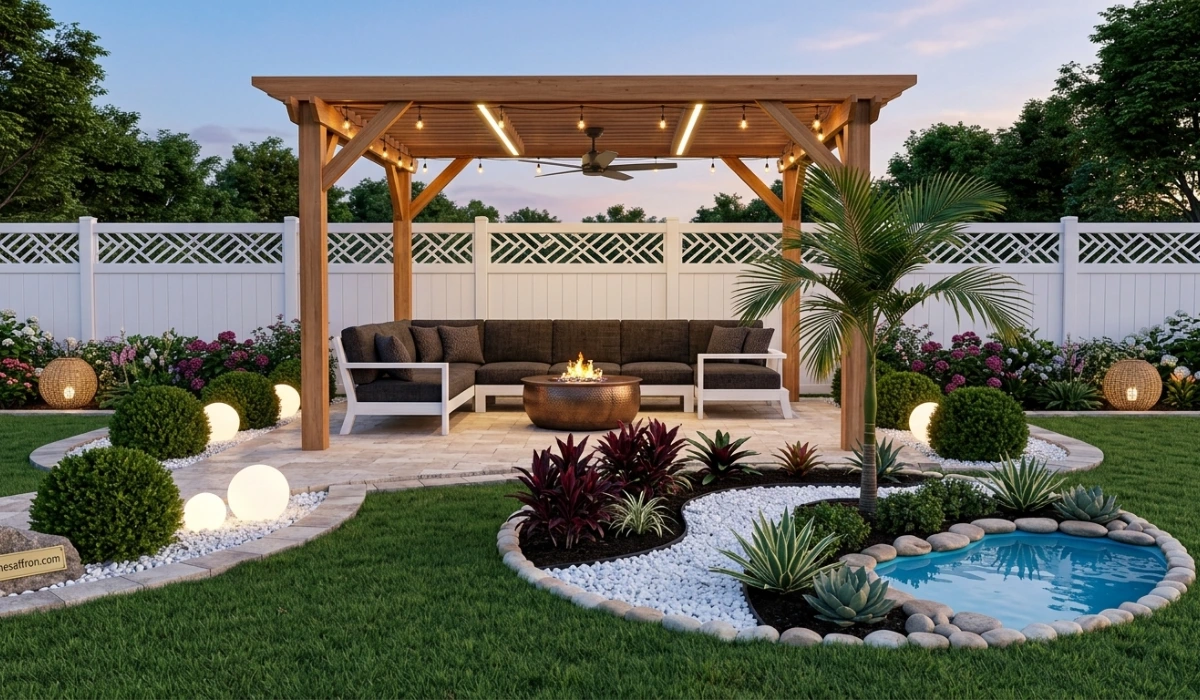
A backyard can become much more than an unused patch of land behind the house. With thoughtful planning, it can serve as a relaxing retreat, family gathering area, garden, dining space, play zone, or an extension of the home’s living area. The key is not simply adding attractive decorations but improving the way the entire space works.
Backyard renovation Decoradyard focuses on combining practical improvements with attractive outdoor design. Instead of following temporary trends, a successful renovation considers layout, drainage, materials, lighting, privacy, maintenance, and the way homeowners actually use the property.
A well-planned renovation does not necessarily require a complete reconstruction. Sometimes replacing damaged paving, improving drainage, adding shade, reorganizing planting beds, or creating a comfortable seating area can produce a significant difference.
Understanding Backyard Renovation Decoradyard
The foundation of backyard renovation Decoradyard is purposeful planning. Before purchasing furniture, plants, paving, or decorative features, examine the existing backyard carefully.
Start by identifying what already works. A mature tree may provide valuable shade, an existing patio might only need resurfacing, and established plants could become part of the new landscape rather than being removed.
Then identify problems that affect usability. Poor drainage, uneven surfaces, insufficient lighting, limited privacy, excessive maintenance, and inefficient circulation can all reduce the value of an outdoor area.
A renovation should solve these problems rather than simply cover them with decorative elements.
Assess the Existing Backyard Before Starting
A professional approach to backyard renovation Decoradyard begins with an assessment of the current conditions.
Check the following areas:
- Condition of paving and pathways
- Drainage after rainfall
- Soil quality and planting conditions
- Existing trees and vegetation
- Fence and gate condition
- Outdoor electrical access
- Water supply for irrigation
- Privacy from neighboring properties
- Sun and shade patterns
- Areas that receive heavy foot traffic
Observe the backyard at different times of the day. A seating area that appears comfortable in the morning may become extremely hot during the afternoon. Similarly, a beautiful corner may remain too dark in the evening.
This information helps determine where improvements will have the greatest practical effect.
Create Functional Zones
One of the most effective principles in backyard renovation Decoradyard is dividing the outdoor area into functional zones.
Instead of treating the backyard as one large space, establish areas according to their intended purposes. A larger property might include:
- Dining zone
- Lounge area
- Garden zone
- Children’s play area
- Outdoor cooking space
- Storage section
- Pathways
- Quiet relaxation corner
These zones do not necessarily need walls or permanent structures. Changes in paving, planting, furniture orientation, lighting, or elevation can visually separate one area from another.
Good zoning also improves movement. Pathways should connect important areas without forcing people to walk through planting beds or around unnecessary obstacles.
Improve the Patio and Seating Area
A patio often becomes the central feature of a renovated backyard. If the existing surface is cracked, uneven, stained, or poorly positioned, improving it can significantly change the appearance and usability of the property.
For backyard renovation Decoradyard, choose patio materials according to climate, maintenance requirements, drainage, and expected traffic.
Possible materials include:
- Concrete
- Natural stone
- Porcelain pavers
- Brick
- Outdoor-rated tiles
- Composite decking
- Gravel for suitable applications
Furniture should match the size of the area. Oversized seating can make a small backyard feel crowded, while undersized furniture may leave a large patio visually empty.
Consider arranging seating so people can communicate comfortably without blocking walkways.
Address Drainage Before Decorative Work
Drainage is one of the most important technical considerations in backyard renovation Decoradyard.
Water that collects around patios, foundations, pathways, or planting areas can damage materials and create muddy conditions. Decorative improvements will not solve an underlying drainage problem.
Before installing new surfaces, determine where rainwater currently travels. Sloping surfaces, drainage channels, permeable paving, planting beds, and appropriate runoff solutions can help manage water depending on the property’s conditions.
Do not simply direct water toward a neighboring property. Drainage should be designed responsibly and according to local requirements.
Select Durable Outdoor Materials
Material selection affects how long a renovation remains attractive. A material may look impressive when newly installed but become difficult to maintain if it is unsuitable for the local environment.
For backyard renovation Decoradyard, consider:
- Moisture resistance
- Heat exposure
- Freeze-thaw conditions where relevant
- Slip resistance
- UV exposure
- Cleaning requirements
- Expected lifespan
- Repairability
- Installation cost
For example, surfaces exposed to frequent rain require different considerations from those in extremely dry environments. Similarly, outdoor furniture should be designed for exterior conditions rather than simply being moved outside from an indoor room.
Long-term performance should be considered alongside appearance.
Add Privacy Without Making the Space Feel Closed
Privacy can dramatically improve outdoor comfort. However, completely enclosing the backyard may make it feel smaller and less connected to the surrounding environment.
A balanced backyard renovation Decoradyard can combine several privacy techniques.
Vertical planting, trellises, screens, fencing, shrubs, and strategically positioned trees can block unwanted views while maintaining airflow and natural light.
Layered planting is particularly useful because different plant heights create visual depth. Instead of constructing a solid barrier everywhere, privacy can be concentrated around seating and dining areas where it matters most.
Introduce Shade and Weather Protection
A comfortable backyard needs protection from uncomfortable weather conditions.
Depending on the property, shade can come from:
- Pergolas
- Shade sails
- Retractable awnings
- Covered patios
- Trees
- Outdoor umbrellas
- Louvered structures
The correct solution depends on orientation, climate, available space, and budget.
For backyard renovation Decoradyard, shade structures should be positioned according to how sunlight moves through the property. A structure placed without considering seasonal sun angles may provide less protection than expected.
Weather protection can also extend the useful life of outdoor furniture and finishes.
Upgrade Outdoor Lighting
Lighting should not be treated as an afterthought. A carefully designed lighting system improves safety, usability, and atmosphere.
A layered approach to backyard renovation Decoradyard can include pathway lighting, seating-area illumination, wall lighting, accent lights, and task lighting around outdoor cooking areas.
Avoid making every part of the backyard equally bright. Different light levels can create depth and make the space feel more natural.
Warm, controlled illumination can be useful around relaxation areas, while brighter task lighting may be appropriate where people prepare food or use outdoor work surfaces.
Smart lighting controls can also make outdoor management easier.
Integrate Landscaping With the Renovation
Hardscape and landscape elements should work together.
A common mistake is designing patios, paths, and structures first and then trying to fit plants into the remaining spaces. A stronger approach considers vegetation during the initial layout.
For backyard renovation Decoradyard, choose plants according to sunlight, soil, water availability, mature size, and maintenance requirements.
Native or climate-adapted plants can often reduce maintenance and irrigation demands. However, plant selection should always consider the conditions of the particular location rather than relying solely on general landscaping trends.
Trees also require special planning because their mature root systems and canopy size can affect paving, structures, utilities, and views.
Create a Low-Maintenance Backyard
A beautiful outdoor space should not become a constant source of work.
Low-maintenance backyard renovation Decoradyard strategies may include durable paving, appropriately selected plants, efficient irrigation, defined planting beds, practical storage, and weather-resistant furniture.
This does not mean eliminating greenery or natural elements. It means designing the landscape so maintenance is manageable.
For example, grouping plants with similar water requirements can make irrigation more efficient. Mulching suitable planting areas can also help retain soil moisture and reduce unwanted growth.
Consider Sustainable Renovation Choices
Sustainability can be incorporated into backyard improvements without sacrificing design quality.
Reclaimed materials, recycled-content products, responsibly sourced timber, permeable surfaces, rainwater management, and climate-appropriate planting can all contribute to a more environmentally conscious project.
A thoughtful backyard renovation Decoradyard also considers whether existing materials can be repaired or reused rather than automatically replacing everything.
Keeping a healthy mature tree, restoring an existing patio, or repurposing suitable materials can reduce unnecessary waste and preserve features that already contribute character to the property.
Add Storage to Reduce Clutter
Outdoor clutter can quickly make a renovated backyard look disorganized.
Garden tools, cushions, toys, hoses, cleaning equipment, and maintenance supplies need designated locations.
A practical backyard renovation Decoradyard can incorporate built-in benches with storage, compact sheds, weather-resistant cabinets, deck boxes, or concealed storage compartments.
Storage should be positioned close to where items are used. Gardening equipment belongs near planting areas, while outdoor dining accessories should be accessible from the patio.
This simple planning decision can improve everyday usability.
Use Technology Where It Adds Practical Value
Technology can support a modern backyard, but it should solve real problems rather than being added simply because it is fashionable.
Smart irrigation systems can automate watering according to schedules and environmental conditions. Connected lighting can provide timers and remote control. Outdoor electrical systems can support entertainment and cooking equipment when professionally installed.
For backyard renovation Decoradyard, technology should remain secondary to the fundamentals of good design. A smart device cannot compensate for poor drainage, an inefficient layout, or inappropriate materials.
Renovate According to Your Budget
A complete backyard transformation does not have to happen at once.
One practical approach is to divide the project into phases.
Phase one: solve structural and drainage problems.
Phase two: improve major surfaces such as patios and pathways.
Phase three: establish planting and landscaping.
Phase four: add furniture, lighting, privacy features, and decorative details.
This phased approach makes backyard renovation Decoradyard more manageable and allows homeowners to spread expenses over time.
Prioritize improvements that affect safety, drainage, structural condition, and everyday usability before purely decorative purchases.
Common Backyard Renovation Mistakes
Several mistakes can reduce the effectiveness of an otherwise attractive project.
Ignoring Drainage
Installing new paving without understanding water movement can create future problems.
Choosing Materials Only for Appearance
A material should perform well in the actual outdoor environment rather than being selected solely because it looks attractive in photographs.
Overcrowding the Backyard
Too much furniture, decoration, planting, and construction can restrict movement and make the space feel smaller.
Forgetting Maintenance
Every lawn, plant, surface, structure, and feature requires some level of care. Maintenance should be considered before installation.
Poor Lighting Placement
Excessive lighting can create glare, while insufficient illumination can make paths and steps difficult to use.
Following Trends Too Closely
Outdoor design trends change. A practical layout and durable materials generally provide more lasting value than temporary decorative fashions.
A Practical Backyard Renovation Sequence
A useful renovation sequence can make the project easier to manage.
Start with measurements and photographs of the existing space. Record drainage problems, sun exposure, structural issues, and areas requiring repair.
Next, establish the primary purpose of the backyard. Decide whether the priority is entertaining, gardening, family use, relaxation, outdoor dining, or a combination.
Create zones around those activities and determine how people will move between them.
After that, resolve drainage and structural concerns. Install or repair major surfaces before adding delicate landscaping and decorative features.
Once the basic infrastructure is complete, introduce planting, privacy solutions, shade, furniture, lighting, and accessories.
This process reduces the likelihood of damaging finished features while later construction work is taking place.
How Decoradyard Thinking Improves Backyard Design
The value of backyard renovation Decoradyard is not simply about making an outdoor space look newer. It encourages homeowners to connect design decisions with practical use.
A successful backyard should feel coherent from the house outward. Materials can complement the architecture, pathways can support natural movement, planting can soften hard surfaces, and lighting can make the space useful after sunset.
The result should not feel like a collection of unrelated purchases. Each element should have a reason for being there.
That approach is especially valuable for homeowners working with limited space or a controlled budget because it encourages them to invest in improvements that provide meaningful functional benefits.
Final Thoughts
A successful backyard renovation Decoradyard combines planning, durability, comfort, landscaping, and visual balance. The goal is not to fill every available area with furniture and decoration. Instead, the best renovation creates a backyard where each feature has a clear purpose.
Start by assessing the existing conditions, solve drainage and structural issues, establish functional zones, and select materials suited to the environment. Then add landscaping, privacy, shade, lighting, storage, and technology according to actual needs.
Whether the project involves a small urban yard or a large outdoor property, gradual improvements can produce substantial results. With careful planning, backyard renovation Decoradyard can turn an underused outdoor area into a practical extension of the home while keeping maintenance and long-term performance in mind.
Frequently Asked Questions
1. What is the main goal of backyard renovation Decoradyard?
The main goal is to create a functional, comfortable, durable, and visually balanced outdoor environment through thoughtful planning and practical improvements.
2. Can a small backyard be renovated effectively?
Yes. Small yards can benefit significantly from better zoning, appropriately sized furniture, vertical planting, efficient storage, and carefully selected surfaces.
3. What should be addressed first during a backyard renovation?
Structural problems, drainage, unsafe surfaces, and major layout issues should generally be addressed before decorative improvements.
4. Which materials are suitable for backyard renovation?
Suitable materials depend on climate, exposure, maintenance expectations, budget, and intended use. Outdoor-rated concrete, stone, porcelain, brick, composite products, and other appropriate paving materials can all be considered.
5. How can a backyard become easier to maintain?
Use climate-appropriate plants, durable surfaces, organized planting areas, efficient irrigation, practical storage, and furniture designed for outdoor conditions.
6. Is outdoor lighting important during renovation?
Yes. Proper lighting can improve nighttime visibility, safety, atmosphere, and the usability of outdoor living areas.
7. Does backyard renovation have to be completed all at once?
No. A phased renovation can address essential infrastructure first and add landscaping, furniture, lighting, and decorative features over time.
8. How can homeowners make a backyard more sustainable?
They can consider water-efficient landscaping, permeable surfaces, durable or recycled-content materials, responsible material sourcing, efficient irrigation, and retaining suitable existing features.
9. Should landscaping be planned before installing a patio?
Ideally, hardscape and landscaping should be considered together. Planning both at the beginning helps prevent awkward planting areas and improves the relationship between built and natural elements.
10. What makes a backyard renovation successful?
A successful project balances appearance with practical performance. Good circulation, suitable materials, drainage, comfort, maintenance requirements, privacy, lighting, and the homeowner’s actual lifestyle all contribute to the final result.