
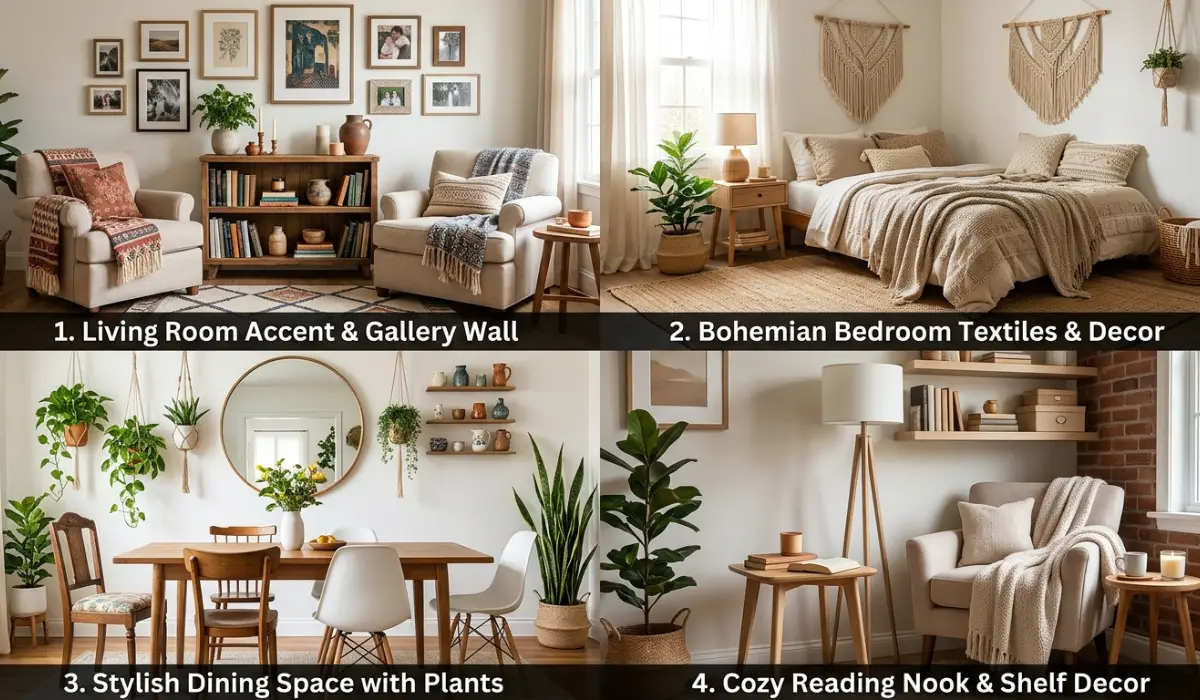
The best decoration ideas home projects do not require expensive furniture or a complete renovation. Small changes to your walls, lighting, furniture arrangement, colors, and accessories can make your living space feel more comfortable and personal. Whether you live in a spacious house, a small apartment, or a family home in the United States, thoughtful decorating can help you make better use of every room.
A well-decorated home balances appearance with everyday practicality. Instead of buying lots of decorative items, start by identifying what your space needs. You might need better lighting, more storage, a fresh color scheme, or a few meaningful pieces that reflect your personality.
This guide explores practical home decorating ideas for different rooms, budgets, and interior styles, with tips for creating a cohesive look without unnecessary spending.
1. Start With a Simple Home Decorating Plan
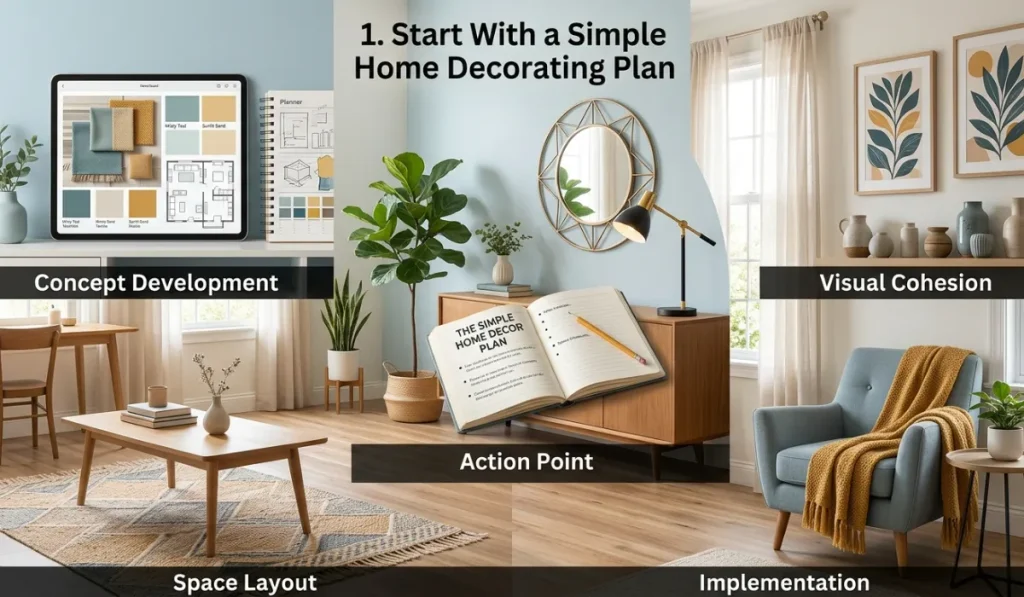
Before choosing furniture or buying accessories, decide how you want each room to look and function. A clear plan helps prevent mismatched purchases and unnecessary clutter.
Consider these starting points:
- Choose a style: Decide whether you prefer modern, traditional, farmhouse, minimalist, coastal, or eclectic interiors.
- Set a budget: Separate essential purchases from optional decorative upgrades.
- Identify problem areas: Look for dark corners, empty walls, crowded furniture arrangements, and unused spaces.
- Work room by room: Finish one area before moving on to another.
- Reuse what you own: Rearranging furniture, changing cushion covers, or displaying existing artwork can refresh a room at little cost.
For inspiration, collect pictures of rooms you like and look for common features. Similar colors, natural materials, or simple furniture shapes can help you develop a consistent design throughout your home.
2. Refresh Your Living Room With Thoughtful Details
The living room often serves several purposes, including relaxing, entertaining guests, and spending time with family. Its decoration should support these activities without making the room feel crowded.
Try these living room decorating ideas:
- Rearrange the seating: Position sofas and chairs to encourage conversation rather than pushing every piece against a wall.
- Add an area rug: Choose a rug that visually connects the main seating pieces and suits the room’s size.
- Layer soft furnishings: Combine a few cushions and a throw blanket in complementary colors and textures.
- Create a focal point: Use artwork, a fireplace, a distinctive light fixture, or a carefully styled console as the main visual feature.
- Introduce natural elements: Wooden furniture, woven baskets, and indoor plants can add warmth and texture.
When selecting accessories, leave enough open space for comfortable movement. A few well-chosen pieces usually create a more organized appearance than numerous small decorations scattered across every surface.
3. Make Your Bedroom Feel Calm and Comfortable
A bedroom should feel restful while reflecting your personal taste. You can change its appearance without replacing the bed, wardrobe, or other major furniture.
Use bedding to introduce color
Start with a simple bedding base, such as white, cream, light gray, or a muted earthy shade. Add color through a blanket, decorative cushions, or a patterned duvet cover.
Improve bedside lighting
Table lamps or wall-mounted reading lights provide useful illumination and can create a softer atmosphere than relying exclusively on overhead lighting.
Decorate the wall behind the bed
A large piece of artwork, a balanced arrangement of framed prints, or a painted accent wall can make the bed area feel intentional. Keep the scale appropriate to the bed and surrounding furniture.
Reduce visual clutter
Use bedside drawers, baskets, and closet organizers to keep everyday items out of sight. A clear nightstand and neatly arranged bedding can make the room feel more settled.
These decoration ideas home projects are particularly useful when you want a visible change without undertaking a full bedroom makeover.
4. Give Your Walls More Personality
Bare walls can make a room feel unfinished, but filling every available space with artwork is not necessary. Choose wall treatments that complement the furniture, room proportions, and overall style.
Popular options include:
- Gallery walls: Arrange family photographs, illustrations, or prints in coordinated frames.
- Accent paint: Use a contrasting or deeper shade on one wall to establish a focal point.
- Large-scale artwork: Hang one substantial piece instead of several small pictures.
- Decorative mirrors: Place a mirror where it can reflect light or visually connect different parts of the room.
- Floating shelves: Display a small collection of books, framed photographs, or decorative objects.
- Wall paneling: Consider simple trim or wood-style paneling when it suits the architecture and budget.
Before hanging anything, plan the arrangement on the floor or mark approximate positions with removable tape. This makes it easier to check spacing and alignment before putting holes in the wall.
For renters, removable wall coverings and lightweight framed art may offer more flexible options, provided the products are suitable for the existing surface and lease requirements.
5. Choose a Color Scheme That Connects Your Home
Color influences the visual character of a room. A consistent palette can help different spaces feel connected, even when each room has its own purpose.
A practical approach is to choose a dominant neutral color, one or two supporting shades, and a smaller accent color.
| Color combination | Overall look | Where it can work |
|---|---|---|
| White, beige, and natural wood | Bright and understated | Living rooms, bedrooms, kitchens |
| Cream, olive green, and brown | Warm and nature-inspired | Bedrooms, reading corners, family rooms |
| Navy, white, and warm wood | Classic and structured | Living rooms, home offices |
| Gray, soft blue, and white | Cool and clean | Bedrooms, bathrooms |
| Terracotta, cream, and muted green | Earthy and inviting | Dining rooms, living spaces |
Paint samples can look different under daylight, warm bulbs, and cool artificial lighting. Test your preferred shades on a small section of the wall before committing to an entire room.
You do not need to use the same colors everywhere. Repeating one or two shades through artwork, cushions, rugs, or curtains is often enough to create visual continuity.
6. Improve Your Home With Better Lighting
Lighting is both functional and decorative. It affects how comfortably you can read, cook, work, and relax, while also highlighting furniture and architectural features.
Consider three types of lighting:
- Ambient lighting: Provides general illumination through ceiling fixtures, recessed lights, or other room-wide sources.
- Task lighting: Directs light toward specific activities, such as reading, cooking, or working at a desk.
- Accent lighting: Highlights artwork, shelves, architectural details, or decorative objects.
You can combine these layers instead of relying on a single bright ceiling fixture.
For example, a living room might use a ceiling light for general illumination, a floor lamp beside the sofa, and a small table lamp on a console. In a kitchen, under-cabinet lighting can help illuminate work surfaces.
Choose light fixtures that suit the room’s scale. A large pendant may work above a dining table, while a compact lamp may be more appropriate for a narrow bedside table.
7. Make Small Rooms Feel More Open
Small rooms require careful planning because every piece of furniture and every decorative object occupies valuable space. The goal is not to make the room look empty, but to create a comfortable layout with less visual clutter.
Useful small-space decoration ideas home projects include:
- Choose furniture with dimensions appropriate to the room.
- Use wall-mounted shelves to free up floor space.
- Consider storage ottomans or beds with built-in drawers.
- Hang curtains high enough to create a taller visual impression, while keeping the panels practical for the windows.
- Use mirrors thoughtfully to reflect existing light.
- Keep pathways clear and avoid oversized decorative accessories.
- Use baskets and closed storage to organize frequently used belongings.
Multifunctional furniture can be particularly helpful in apartments, guest rooms, and combined living and working spaces.
Light colors can create an airy appearance, but dark colors are not automatically unsuitable for small rooms. A carefully planned darker palette can feel comfortable and distinctive when balanced with appropriate lighting and furnishings.
8. Decorate Your Kitchen Without a Major Renovation
The kitchen needs to remain practical, so decoration should complement its everyday use rather than take up valuable preparation space.
Simple updates include:
- Display a small collection of attractive bowls or ceramic dishes.
- Use matching containers for frequently used dry ingredients.
- Add a washable runner where it will not obstruct doors or create a tripping hazard.
- Introduce a small herb planter if the available light and maintenance conditions are suitable.
- Update cabinet hardware when the existing cabinets and installation allow it.
- Style open shelves with a mixture of useful items and a few decorative pieces.
- Keep countertops clear around cooking and food preparation areas.
If you rent, removable accessories may be preferable to permanent changes. Before painting cabinets or changing fixtures, check whether the proposed modification is permitted and whether it is appropriate for the material.
9. Create a Welcoming Entryway
The entryway establishes the first impression of your home’s interior. Even a small entrance can be useful and attractive when its layout is carefully considered.
Start with the essentials:
- A doormat suited to the entrance and local weather conditions.
- Hooks or a compact rack for coats and bags.
- A shoe cabinet or basket to prevent footwear from spreading into walkways.
- A mirror for a final appearance check before leaving.
- A narrow console table, if there is sufficient room.
- A small artwork or decorative object to add personality.
For a narrow hallway, prioritize shallow storage and wall-mounted accessories. In a larger foyer, a console table with a lamp or a statement mirror can create a more defined focal point.
Keep exits and walking routes clear, particularly in homes with children, older adults, or frequent visitors.
Plants and natural materials introduce variation in color and texture. They can soften the appearance of rooms dominated by hard surfaces, straight lines, or neutral colors.
Try combining:
- Wood furniture with linen or cotton textiles.
- Woven baskets with smooth ceramic accessories.
- Indoor plants with simple pots in complementary shades.
- Natural stone or stone-look accessories with warmer wood finishes.
- Jute-style rugs with soft upholstered furniture.
Choose plants based on the actual light, temperature, humidity, and care requirements of the room. If pets or young children live in the house, check whether a plant is toxic before bringing it indoors.
Natural materials also need suitable care. Wood, natural fibers, and stone can respond differently to moisture, sunlight, and cleaning products, so follow the care instructions for each material.
11. Use Curtains, Rugs, and Textures to Add Warmth
Soft furnishings can change a room’s appearance without requiring permanent alterations. They are also easy to update when your preferences or seasons change.
Curtains
Select curtains based on privacy, light control, and the window’s proportions. Sheer panels can soften daylight, while lined curtains may be more appropriate where greater privacy or light blocking is needed.
Rugs
Use rugs to visually define areas in open-plan rooms or connect furniture within a seating arrangement. Consider durability, cleaning requirements, and the amount of foot traffic before choosing a material.
Cushions and throws
Combine a few complementary textures, such as cotton, linen, and knitted fabrics. Varying texture can create interest even when the colors remain similar.
Decorative accessories
Books, bowls, framed prints, and vases can add personality. Grouping a few objects together often looks more deliberate than scattering them individually around the room.
These decoration ideas home updates are easy to adapt because many textiles and accessories can be replaced without changing the room’s main furniture.
12. Explore Different Home Decorating Styles
Choosing a recognizable style can make purchasing decisions easier, but you do not have to follow one design category strictly.
| Decorating style | Common characteristics | Practical starting point |
|---|---|---|
| Modern | Clean lines, simple forms, restrained accessories | Choose streamlined furniture and a limited color palette |
| Minimalist | Fewer objects, uncluttered surfaces, functional pieces | Remove unnecessary items and prioritize storage |
| Farmhouse | Wood details, comfortable textiles, traditional touches | Add natural finishes and simple, durable accessories |
| Coastal | Airy colors, natural textures, relaxed furnishings | Combine soft blues, white, and woven materials |
| Traditional | Classic furniture, balanced arrangements, decorative details | Use coordinated furniture, framed artwork, and layered fabrics |
| Eclectic | A deliberate mix of styles, colors, and collected objects | Repeat selected colors or materials to connect different pieces |
The most successful style is one that fits your home, lifestyle, and budget. You can combine elements from different categories as long as the overall arrangement feels intentional.
13. Try Budget-Friendly DIY Decorating Projects
You can refresh your home gradually rather than purchasing everything at once. Focus on projects that offer a visible improvement and are manageable with your available skills.
Here are several options:
- Rearrange existing furniture. Experiment with different layouts before buying anything new.
- Refresh picture frames. Reuse frames and update the artwork or photographs inside them.
- Change cushion covers. Introduce a new accent color without replacing the cushions themselves.
- Restyle shelves. Combine books, small plants, framed art, and useful objects while leaving some open space.
- Update cabinet handles. Check measurements and compatibility before purchasing replacements.
- Paint a suitable accent wall. Prepare the surface correctly and test the paint color first.
- Repurpose household items. Use sturdy baskets for storage or display meaningful objects you already own.
- Organize visible clutter. Add inexpensive storage solutions where they solve a real problem.
DIY projects should match your experience and the materials involved. Electrical work, structural changes, and other potentially hazardous tasks may require qualified professionals and compliance with local requirements.
14. Common Decorating Mistakes to Avoid
Even attractive furniture and accessories can produce an uncomfortable room when they are poorly arranged. Avoid these common problems:
- Buying furniture before measuring: Check room dimensions, doorways, and the space needed for movement.
- Using too many competing colors: Repeat a smaller group of colors to create a more cohesive appearance.
- Overfilling shelves: Leave some open space so important objects remain visible.
- Ignoring lighting: Consider how the room looks during both daylight and evening hours.
- Choosing appearance over function: Select materials and furnishings that suit the way the room is used.
- Hanging artwork without planning: Check scale, height, and spacing before installation.
- Following trends without considering personal taste: Use trends as inspiration rather than rules.
- Decorating every surface: Allow some areas to remain simple so the room does not feel overcrowded.
A useful final check is to walk through the room and notice whether anything obstructs movement, creates unnecessary maintenance, or competes with the main focal point.
Conclusion
Successful home decorating is about making your space more comfortable, practical, and personal. You can start with a refreshed living room, calmer bedroom colors, better lighting, organized kitchen surfaces, or a welcoming entryway. Small changes often provide a useful starting point before you commit to larger purchases or renovations.
The most effective decoration ideas home projects combine a clear plan with thoughtful choices about color, furniture, lighting, storage, and texture. Work within your budget, use what you already own, and make changes at a pace that suits your household. Your home does not need to follow a showroom design to look attractive. It needs to work well for the people who live in it.
Frequently Asked Questions
1. What are the best decoration ideas home projects for beginners?
Start by rearranging furniture, adding coordinated cushion covers, improving lighting, displaying artwork, and organizing clutter. These projects are generally manageable without major renovations or specialized tools.
2. How can I decorate my home on a small budget?
Reuse existing furniture, shop your home for accessories, refresh textiles, display personal photographs, and complete one room at a time. Prioritize changes that solve a specific problem instead of purchasing decorations simply to fill space.
3. How do I make my home look more modern?
Choose simple furniture shapes, coordinate colors, improve lighting, reduce unnecessary clutter, and introduce a few carefully selected decorative pieces. Modern interiors can include warm wood, textured fabrics, and personal artwork rather than relying entirely on white surfaces.
4. Which colors work well for home decoration?
Neutral shades such as white, cream, beige, and gray can provide a flexible foundation. You can introduce green, blue, terracotta, or other accent colors through textiles, artwork, furniture, and accessories. Test paint samples in your home’s lighting before making a final decision.
5. How can I decorate a small home without making it feel crowded?
Choose appropriately sized furniture, use vertical storage, keep walkways clear, and select multifunctional pieces where useful. Limit decorative objects to those that contribute to the room’s appearance or function.
6. How can I make my living room look better without buying new furniture?
Rearrange the seating, remove unnecessary clutter, change cushion covers, reposition lamps, restyle shelves, and display artwork you already own. Even a different furniture layout can give the room a noticeably refreshed appearance.
7. How often should I update my home decor?
There is no fixed schedule. Update your decor when your needs, preferences, or household circumstances change. Small seasonal adjustments can refresh a room, while larger changes can wait until furniture or finishes need replacing.
8. How do I make different rooms feel connected?
Repeat a few colors, materials, or design details throughout the home. For example, the same wood finish might appear in the living room, dining area, and bedroom, while a consistent accent color connects otherwise different spaces.