
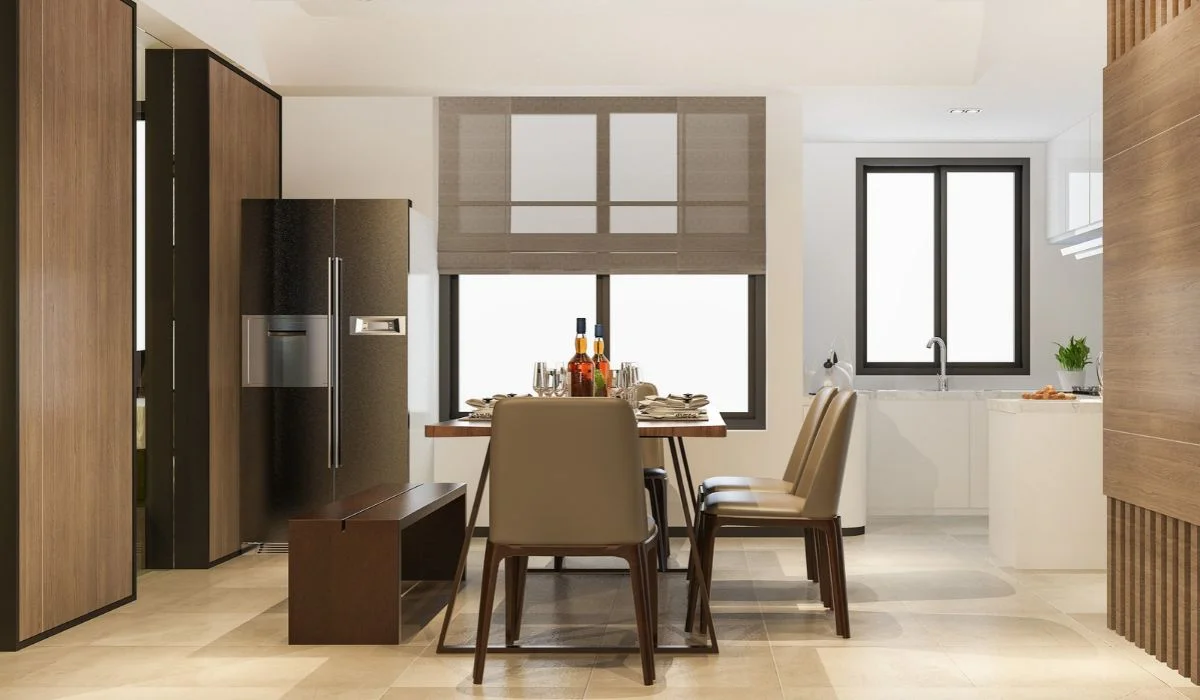
A well-chosen dining room cabinet can make your dining area more organized, functional, and visually appealing. Whether you need extra space for crockery, a place to display decorative pieces, or storage for everyday dining essentials, the right cabinet can improve both the appearance and usability of your room. From sleek modern units to classic wooden furniture, there are plenty of dining room cabinet ideas to suit different interiors, budgets, and room sizes.
However, choosing a cabinet involves more than selecting an attractive design. You also need to consider storage capacity, available floor space, material quality, and how the furniture will complement your dining table and chairs. With thoughtful planning, you can find a cabinet that looks beautiful while serving your household’s practical needs.
Why a Dining Room Cabinet Is Worth Adding
A dining room cabinet provides a dedicated place to store plates, bowls, glasses, cutlery, table linens, serving dishes, and other essentials. Keeping these items together makes setting the table easier and reduces clutter on countertops, dining tables, and nearby shelves. Cabinets with drawers and adjustable shelves can also help you organize items according to how frequently you use them.
Beyond storage, a cabinet can become an important part of your dining room’s interior design. A wooden sideboard adds warmth, a glass-front unit creates an elegant display, and a minimalist cabinet gives the room a clean, contemporary appearance. Choosing a design that coordinates with your existing furniture creates a more cohesive space without requiring a complete renovation.
Dining Room Cabinet Ideas to Transform Your Space
The right dining room cabinet adds useful storage for crockery, glassware, and dining essentials while improving your room’s appearance. From minimalist units to classic wooden designs, the right choice can make your dining area more stylish and organized.
1. Modern Minimalist Dining Room Cabinet
A minimalist dining room cabinet suits homes with clean lines and simple decor. Choose flat-front doors, discreet handles, and neutral shades such as white, beige, gray, or natural wood to create a modern look.
This style works well in small dining areas because it avoids visual clutter. Add a vase or decorative bowl to the top for a neat, balanced appearance without overcrowding the space.
2. Wooden Dining Room Cabinet
Wooden cabinets bring warmth and natural texture to a dining room. Light wood finishes suit bright, modern interiors, while darker shades create a more traditional and elegant atmosphere.
Before buying, check the material, finish, joints, and hardware quality. Solid wood and engineered wood differ in price and durability, so choose an option that suits your budget and protect it from moisture and spills.
3. Glass-Front Dining Room Cabinet
A glass-front cabinet lets you display dinnerware, glassware, and decorative bowls while keeping them protected behind doors. Wood frames and subtle metal details can make the design look even more elegant.
Arrange items by color, size, or type to keep the display organized. Frosted glass offers a softer look, while gentle internal lighting can highlight your favorite pieces without creating excessive glare.
4. Buffet Cabinet or Dining Room Sideboard
A buffet cabinet or sideboard provides convenient storage without taking up the height of a tall cupboard. Its drawers and compartments can hold cutlery, napkins, tablecloths, and everyday crockery, while the top offers space for serving dishes or decorations.
This design is especially useful when entertaining guests because it creates a separate serving area. Measure your wall carefully and ensure the cabinet does not obstruct chairs, doors, or walking paths.
5. Built-In Dining Room Cabinet
Built-in cabinets use wall space efficiently and create a customized appearance. They can provide storage for crockery, serving dishes, and decorative items while blending neatly with the room’s existing design.
Plan the shelves, drawers, and display sections according to your needs before installation. Since built-in units are difficult to move, confirm all measurements and the overall layout before construction begins.
6. Floating Dining Room Cabinet
A floating cabinet attaches to the wall, leaving the floor underneath open. This design can make a small dining area feel less crowded and allows easier floor cleaning while maintaining a clean, contemporary appearance.
Secure installation is essential, especially when storing heavy crockery. Make sure the wall and mounting system can support the fully loaded cabinet, and seek professional installation if necessary.
7. Corner Dining Room Cabinet
A corner cabinet turns an unused corner into practical storage for dishes, glassware, and dining accessories. Tall units provide extra storage, while compact designs help keep smaller dining rooms organized without taking up an entire wall.
Measure both wall lengths and check the cabinet’s depth before purchasing. Ensure its doors open comfortably and leave enough space for nearby chairs and movement around the dining table.
How to Choose the Right Dining Room Cabinet
The best dining room cabinet is one that matches your storage needs, available space, and interior style. Consider these important factors before making a purchase.
Measure Your Space First
Measure the wall width, cabinet depth, and available height before shopping. Remember to leave enough room for cabinet doors and drawers to open fully. If the cabinet sits near the dining table, account for chairs being pulled out and people walking behind seated guests.
For a narrow room, a shallow sideboard may be more practical than a deep cupboard. In a larger dining room, a tall cabinet or a longer storage unit may provide the capacity you need without making the furniture look out of proportion.
Evaluate Storage Capacity
Think about what you plan to store before choosing the number of shelves and drawers. Large serving bowls, stacked plates, glassware, cutlery, and folded linens all require different types of space. Adjustable shelves provide flexibility when your storage needs change.
A useful layout often combines closed compartments for everyday clutter with a smaller display section for decorative pieces. If you regularly entertain guests, a wide drawer for serving utensils and a clear surface for arranging food can make the cabinet more functional.
Select Suitable Materials and Finishes
Material choice affects the cabinet’s appearance, maintenance, and expected lifespan. Solid wood offers a natural grain and can often be refinished, while engineered wood may provide a more budget-friendly alternative. Glass adds visual lightness, and metal details can introduce a contemporary touch.
Check the quality of hinges, drawer runners, handles, and edge finishing as well as the main material. A beautiful exterior will not compensate for poorly aligned doors or drawers that stick. Choose a finish that can be cleaned easily and fits the level of use the cabinet will receive.
Match the Cabinet to Your Interior
Your dining room cabinet should complement the table, chairs, flooring, and wall colors. Matching every piece exactly is not essential; a carefully chosen contrast can make the space more interesting. For example, a light cabinet can brighten a room with darker furniture, while a deep wood finish can add warmth to a neutral interior.
For a coordinated look, repeat one or two elements across the room, such as wood tones, metal finishes, or accent colors. This creates visual connection without making the space appear overly matched.
Dining Room Cabinet Ideas for Small Spaces
Small dining rooms benefit from furniture that provides useful storage without taking up too much floor area. A narrow sideboard, wall-mounted cabinet, or compact vertical unit can store essential items while preserving room for chairs and movement. Rather than choosing the largest cabinet available, focus on efficient internal organization.
Use vertical space where practical, but avoid filling every wall with furniture. Combining a closed cabinet with one or two open shelves can provide storage and display space without making the room feel crowded. Light finishes and simple door designs may also help create a more open appearance.
If your dining area shares space with the living room or kitchen, choose a cabinet that works with both zones. A low sideboard can provide storage while visually separating areas, provided it does not obstruct the natural flow of the room.
How to Organize a Dining Room Cabinet
Good organization makes a cabinet more useful and helps prevent clutter from building up over time. Start by grouping items according to their purpose and frequency of use. Keep everyday plates, bowls, and glasses on easily accessible shelves, while reserving higher or less convenient sections for items used only occasionally.
Use drawers for cutlery, napkins, placemats, and small accessories. Dividers can prevent utensils from becoming mixed together, and shelf organizers may help create separate areas for different types of crockery. Avoid stacking fragile items too high, and ensure shelves are suitable for the weight of the objects placed on them.
Keep the cabinet’s display area simple. A few coordinated pieces usually look better than a crowded collection of ornaments. Review the contents periodically and remove items you no longer use, so the cabinet continues to serve your household rather than becoming another place to accumulate clutter.
Common Dining Room Cabinet Mistakes to Avoid
Choosing the right dining room cabinet involves more than appearance. Its size, material, and arrangement should suit your space and storage needs. Avoiding these common mistakes will help you keep your dining area functional, organized, and attractive.
1. Choosing Style Over Functionality
A beautiful cabinet may not provide enough storage or fit comfortably in your dining room. Check its dimensions, shelf space, and door clearance to ensure it meets your everyday needs.
2. Ignoring Material Quality
Low-quality materials, weak hardware, and poor finishes can affect a cabinet’s durability. Before buying, check the construction, drawer quality, and maintenance requirements to choose a unit that lasts.
3. Overcrowding the Cabinet Top
Placing too many decorative items on your cabinet can make the dining area look cluttered. Use a few accessories, such as a vase or decorative bowl, while leaving enough space for serving dishes and other practical uses.
Dining Room Cabinet Maintenance Tips
Regular care helps preserve the cabinet’s appearance and function. Dust the exterior and shelves with a soft cloth, and clean spills promptly using a method suitable for the material. Avoid excessive moisture, abrasive cleaners, or harsh chemicals that may damage the finish.
Check hinges, handles, drawer runners, and wall fixings periodically. Tighten loose hardware when appropriate, and follow the manufacturer’s instructions for cleaning glass or treating wood. For cabinets holding heavy crockery, distribute the weight sensibly and avoid overloading shelves.
Conclusion
A thoughtfully selected dining room cabinet can improve storage, simplify everyday meals, and enhance the overall look of your home. Whether you prefer a minimalist sideboard, a warm wooden unit, a glass-front display cabinet, or a space-saving floating design, the right choice depends on your room layout and practical needs.
Before buying, measure your space, plan what you need to store, compare materials, and choose a design that complements your existing furniture. By balancing appearance with function, you can create a dining area that feels organized, welcoming, and ready for both everyday family meals and special gatherings.
FAQs
1. What is the best cabinet for a dining room?
A sideboard is a versatile option for everyday storage and serving, while a glass-front cabinet works well for displaying crockery. The best choice depends on your available space and storage needs.
2. What should I store in a dining room cabinet?
You can store plates, bowls, glasses, cutlery, serving dishes, table linens, placemats, and special-occasion dinnerware. Keep frequently used items within easy reach.
3. Which dining room cabinet is best for a small space?
A compact sideboard, floating cabinet, or narrow vertical unit can provide storage while preserving floor space. Measure carefully to ensure the furniture does not block movement.
4. Are wooden dining room cabinets a good choice?
Yes. Wooden cabinets offer a warm, versatile appearance and come in various styles and finishes. Their durability depends on construction, material quality, and maintenance.
5. What is the difference between a sideboard and a dining room cabinet?
A sideboard is generally a low, wide storage unit with a usable top surface. A dining room cabinet is a broader term that can include tall cupboards, display units, built-ins, and sideboards.
6. Are glass-front cabinets practical?
Yes. They allow you to display crockery while keeping it behind doors. However, glass may show fingerprints and requires regular cleaning, and displayed items need to be arranged neatly.
7. How do I choose the right cabinet size?
Measure the available wall space, cabinet depth, and height, then check door clearance and walking space. Consider the size of your dining table and the room needed to pull out chairs.