
A well-designed garden can completely change the appearance and feeling of a home. Outdoor spaces are no longer just areas filled with plants; they have become extensions of indoor living where homeowners relax, entertain guests, and connect with nature. Following decoradyard garden tips by decoratoradvice can help transform an ordinary yard into a balanced, attractive, and practical outdoor environment.
A successful garden Tips decoradyard is not only about adding colorful flowers or expensive decorations. It requires thoughtful planning, suitable plant selection, proper space organization, and decorative elements that work together. Whether you have a small backyard, a large landscape area, a patio, or a balcony garden, the right approach can create a comfortable and visually appealing space.
This guide explains practical garden design strategies, planting techniques, decoration ideas, and maintenance methods to help homeowners create a garden that remains beautiful throughout the year.
Why decoradyard garden tips by decoratoradvice Is Important Before Designing Your Yard
Many homeowners start gardening by purchasing plants, pots, and outdoor decorations without creating a proper plan. While adding new elements can be exciting, poor planning often results in overcrowded spaces, high maintenance requirements, and an unbalanced appearance.
A planned garden allows every feature to have a purpose. Before making changes, consider how you want to use the space and what style matches your home.
A thoughtful garden plan helps you:
- Use available space efficiently
- Select plants suitable for sunlight and soil conditions
- Create comfortable activity areas
- Reduce future maintenance work
- Maintain a consistent design style
- Avoid unnecessary expenses
The foundation of decoradyard garden tips by decoratoradvice is creating harmony between beauty and functionality. A garden should not only look attractive but should also be easy to enjoy and maintain.
Analyze Your Outdoor Space Before Adding Plants

Every garden has different conditions. A plant that grows successfully in one yard may struggle in another because of differences in sunlight, soil, moisture, and climate.
Before decoradyard garden tips by decoratoradvice, evaluate your outdoor area carefully.
Understand Sunlight Patterns
Sunlight is one of the most important factors affecting plant health. Spend time observing how sunlight moves through your yard during different times of the day.
Different areas may receive:
- Full sunlight for six or more hours
- Partial sunlight for several hours
- Mostly shade throughout the day
Place sun-loving plants in brighter areas and shade-tolerant plants in areas with limited direct light. Proper placement improves growth and reduces the need for constant replacement.
Check Soil Quality
Healthy soil creates the foundation for a successful garden. Before planting decoradyard garden tips by decoratoradvice, examine the condition of your soil.
Important factors include:
- Drainage ability
- Soil texture
- Nutrient levels
- Organic matter content
- Soil acidity or alkalinity
Adding compost or organic materials can improve soil structure and provide essential nutrients for plants.
Identify Drainage Problems
Poor drainage can damage plant roots and create unhealthy growing conditions. Look for areas where water collects after rainfall.
Common signs of drainage issues include:
- Standing water
- Muddy sections
- Slow plant growth
- Root problems
Solving drainage problems early prevents bigger garden issues later.
Create Functional Zones for a More Organized Garden
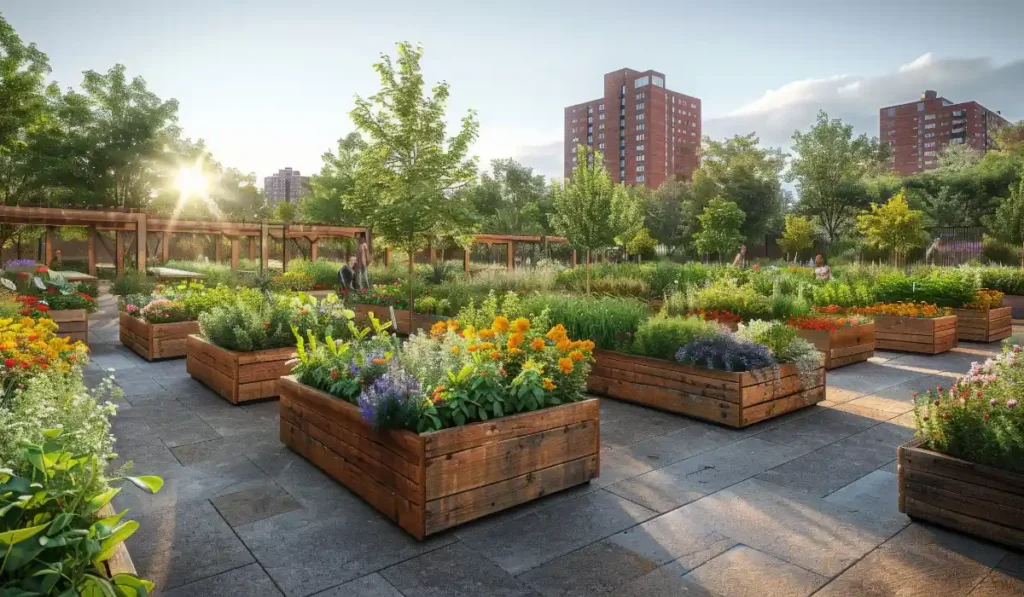
A beautiful garden should have structure. Instead of filling every corner with plants and decorations, divide your outdoor area into specific zones.
Creating functional sections makes the space easier to use and gives it a more professional appearance.
Common garden zones include:
| Garden Zone | Purpose | Recommended Features |
|---|---|---|
| Relaxation Area | Rest and outdoor comfort | Seating, cushions, shade structures |
| Dining Area | Outdoor meals and gatherings | Table, chairs, lighting |
| Planting Area | Flowers and greenery | Raised beds, borders, containers |
| Walking Area | Easy movement | Stone paths, gravel, stepping stones |
| Entertainment Area | Social activities | Fire pit, outdoor kitchen, decorative lighting |
A well-organized layout improves both appearance and practicality. This approach is one of the key ideas behind decoradyard garden tips by decoratoradvice because it focuses on designing spaces that people can actually enjoy.
Design Attractive Garden Pathways
Pathways add structure and guide movement throughout the garden. They also protect plants by preventing people from walking directly through planting areas.
A good pathway should match the overall garden style while remaining practical.
Popular pathway materials include:
- Natural stone
- Brick
- Gravel
- Concrete pavers
- Wooden stepping boards
Tips for Creating Better Garden Paths
Consider these design principles:
- Keep pathways wide enough for comfortable walking.
- Use curves to create a natural appearance.
- Connect important areas of the garden.
- Choose materials that match your home’s exterior.
- Add lighting for safety and nighttime beauty.
Curved pathways can make smaller gardens feel larger by creating curiosity and encouraging exploration.
Choose a Balanced Garden Color Scheme
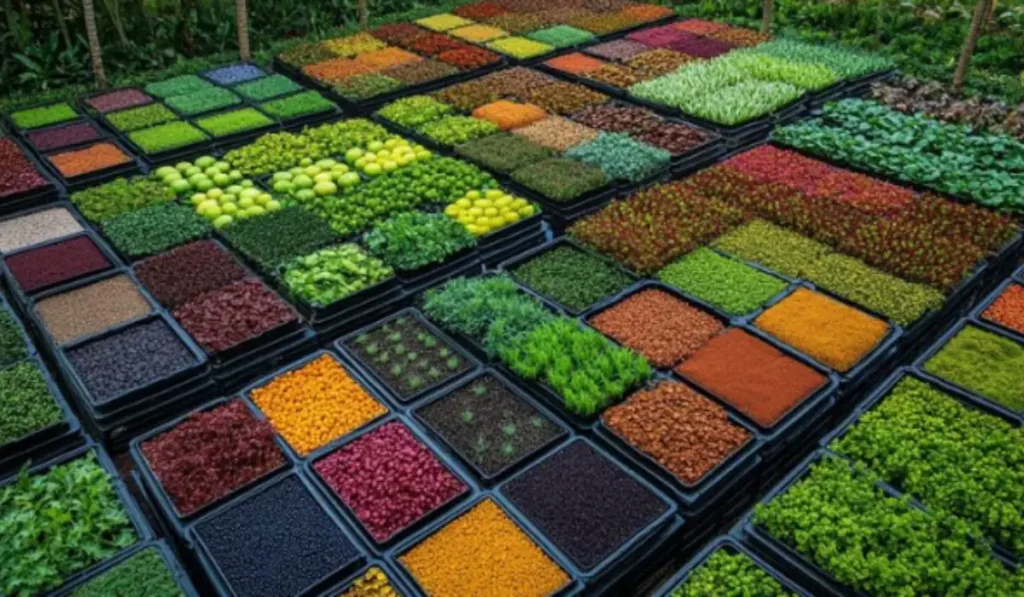
Color plays a major role in creating an attractive outdoor environment. Too many competing colors can make a garden appear messy, while a carefully selected palette creates a peaceful and professional look.
A balanced garden usually combines:
- Green foliage as a natural foundation
- Flower colors for seasonal interest
- Neutral materials for balance
- Decorative accents that complement the home
How to Create a Cohesive Plant Color Palette
Instead of choosing random flowers, select colors that work well together.
Popular combinations include:
- White and purple flowers for an elegant look
- Blue and yellow flowers for contrast
- Pink and lavender tones for a soft atmosphere
- Red and white combinations for a classic appearance
Using repeated colors across different decoradyard garden tips by decoratoradvice sections creates visual connection and makes the entire landscape feel intentional.
Select Plants According to Your Garden Conditions
Plant selection is one of the most important parts decoradyard garden tips by decoratoradvice. Beautiful plants will only thrive when they match the environment where they are placed.
Before purchasing plants, consider:
- Local climate
- Available sunlight
- Water requirements
- Growth size
- Maintenance needs
Low-Maintenance Plants for Busy Homeowners
Many homeowners want attractive gardens without spending hours on maintenance. Choosing durable plants can reduce effort while maintaining beauty.
Examples of low-maintenance plants include:
- Lavender
- Ornamental grasses
- Hostas
- Daylilies
- Boxwood shrubs
- Native flowering plants
Low-maintenance decoradyard garden tips by decoratoradvice is especially useful for people who want a beautiful outdoor area but have limited time for daily care.
Create Depth With Layered Planting Techniques
A decoradyard garden tips by decoratoradvice can feel flat and uninteresting when all plants are placed at the same height. Professional-looking landscapes usually include different layers of plants to create depth, movement, and visual balance.
Layering means combining plants with different heights and textures so every part of the garden contributes to the overall design.
A simple layered arrangement includes:
- Tall trees or shrubs at the back
- Medium-sized flowering plants in the middle
- Ground covers or smaller plants in front
This technique makes a decoradyard garden tips by decoratoradvice appear fuller and more natural. It also allows each plant to receive enough sunlight without competing with others.
Mix Different Plant Textures
Color is important for decoradyard garden tips by decoratoradvic, but texture also influences how a garden feels. Combining different leaf shapes and plant structures creates more visual interest.
Consider mixing:
- Broad-leaf plants
- Fine ornamental grasses
- Flowering plants
- Evergreen shrubs
- Climbing vines
A garden with different textures remains attractive even when some plants are not flowering.
Use Vertical Gardening to Maximize Limited Space
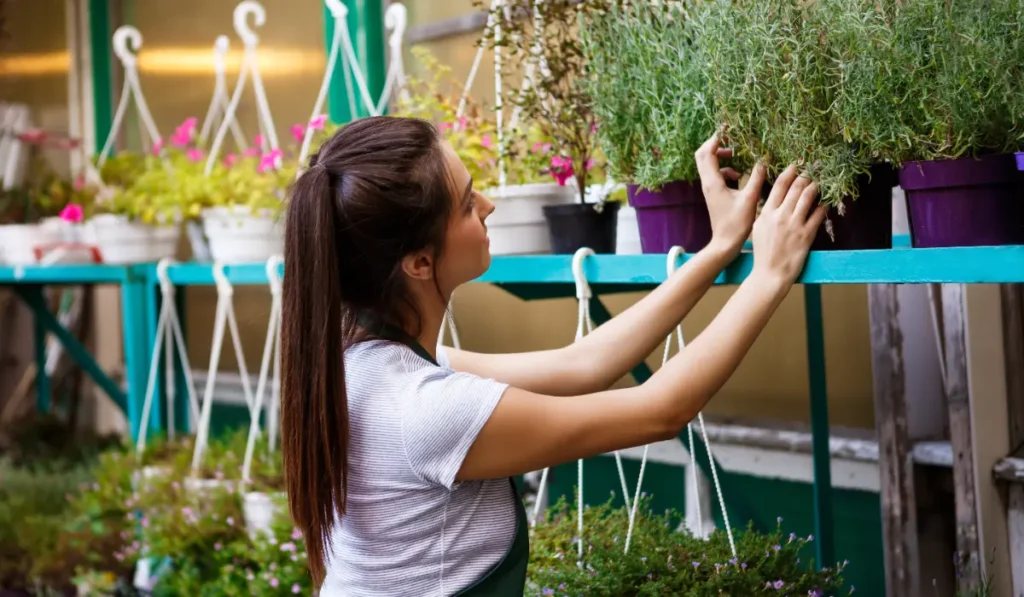
Not every homeowner has a large backyard. Small gardens, balconies, and patios can still become beautiful outdoor spaces by using vertical areas effectively.
Vertical gardening allows homeowners to grow plants upward instead of spreading everything across the ground.
Useful vertical garden ideas include:
- Wall-mounted planters
- Hanging baskets
- Trellises with climbing plants
- Wooden plant shelves
- Vertical garden frames
This approach creates more planting opportunities while keeping the floor area open and organized.
For small spaces, vertical gardening is one of the most practical decoradyard garden tips by decoratoradvice because it combines decoration and functionality.
Choose Outdoor Furniture That Matches Your Garden Style
A decoradyard garden tips by decoratoradvice becomes more enjoyable when it includes comfortable areas for sitting, relaxing, and spending time outdoors. However, furniture should be selected carefully because oversized pieces can make outdoor spaces feel crowded.
Choose furniture based on:
- Available space
- Weather conditions
- Garden style
- Maintenance requirements
Popular outdoor furniture materials include:
| Material | Advantages | Best For |
|---|---|---|
| Teak Wood | Durable and naturally weather-resistant | Traditional gardens |
| Aluminum | Lightweight and low maintenance | Modern outdoor spaces |
| Synthetic Wicker | Comfortable and stylish | Patios and relaxation areas |
| Powder-Coated Steel | Strong and long-lasting | Contemporary designs |
For smaller gardens, consider:
- Folding chairs
- Compact benches
- Small tables
- Multi-purpose furniture
Adding cushions, outdoor rugs, and decorative pillows can make a garden feel like an extension of your indoor living area.
Add Decorative Features Without Overcrowding the Space
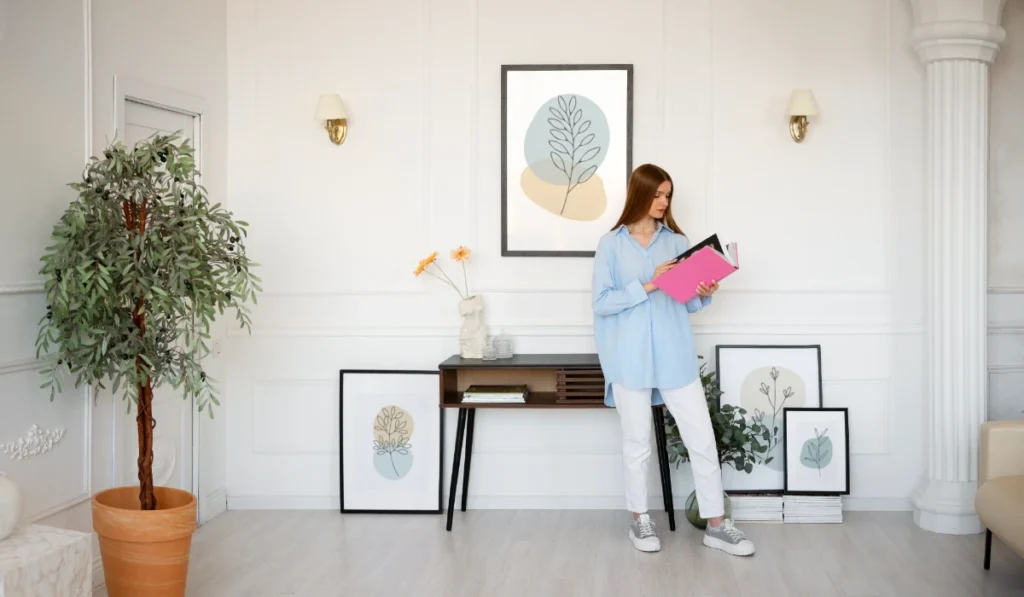
Decoradyard garden tips by decoratoradvice decorations add personality, but too many decorative items can reduce the natural beauty of plants. The goal is to create balance rather than fill every empty area.
Useful garden decorations include:
- Decorative planters
- Garden sculptures
- Water features
- Outdoor wall art
- Lanterns
- Bird feeders
- Decorative stones
Create a Garden Focal Point
Every attractive decoradyard garden tips by decoratoradvice benefits from a focal point. This is an element that naturally attracts attention and gives the landscape a central feature.
Examples include:
- A small fountain
- A statement plant
- A garden bench
- A sculpture
- A pergola
- A colorful flower bed
A focal point helps organize the visual flow of the garden and prevents the space from feeling random.
Improve Garden Atmosphere With Outdoor Lighting
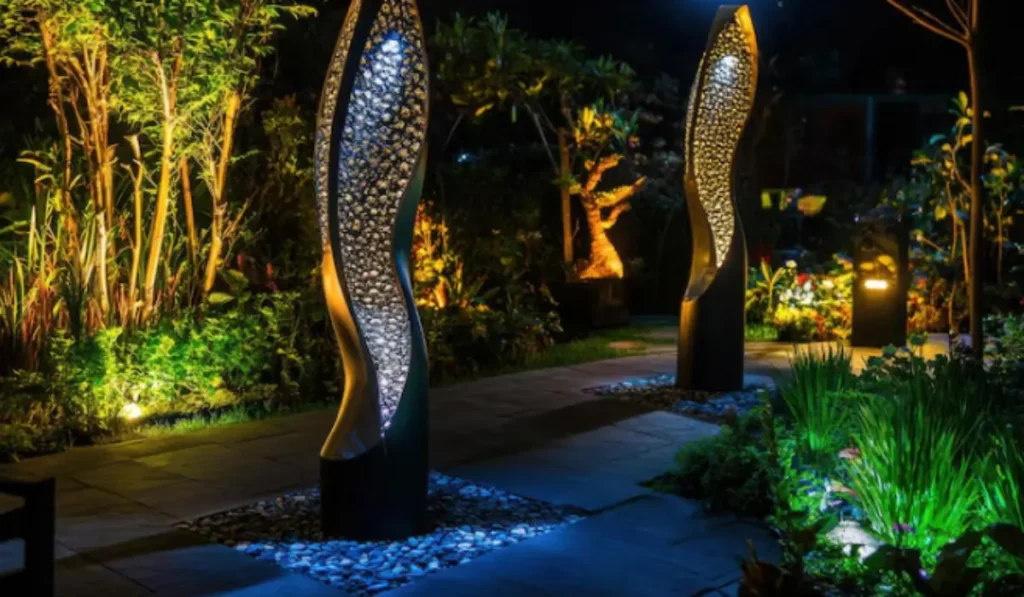
A decoradyard garden tips by decoratoradvice should not disappear after sunset. Proper lighting improves safety, highlights important features, and creates a relaxing evening atmosphere.
Different lighting options serve different purposes.
Pathway Lighting
Path lights improve visibility and make walkways safer. Solar-powered lights are an affordable option because they require minimal installation.
Accent Lighting
Use accent lights to highlight:
- Trees
- Sculptures
- Water features
- Architectural details
Decorative Lighting
String lights and lanterns create a warm atmosphere around seating areas, patios, and pergolas.
Good lighting design is an important part of decoradyard garden tips by decoratoradvice with modern outdoor spaces because it extends the usability of your garden beyond daylight hours.
Make Your Garden More Sustainable
Modern garden design is not only about appearancer for decoradyard garden tips by decoratoradvice. Sustainable practices help protect the environment while reducing maintenance costs.
Eco-friendly gardening methods include:
- Choosing native plants
- Collecting rainwater
- Using organic compost
- Reducing chemical fertilizers
- Installing efficient irrigation systems
- Adding mulch around plants
Benefits of Sustainable Gardening
Sustainable gardens:
- Require less water
- Support local wildlife
- Improve soil health
- Reduce maintenance expenses
- Create healthier outdoor environments
Native plants are especially valuable because they naturally adapt to local conditions and often require less care.
Maintain Your Garden Throughout the Seasons
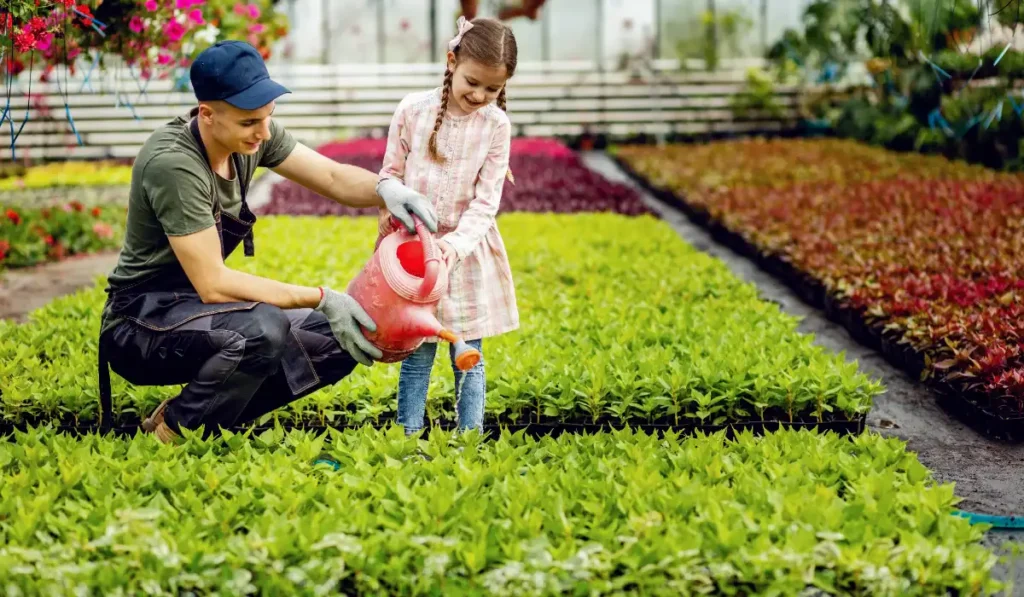
A beautiful decoradyard garden tips by decoratoradvice requires regular attention. Seasonal maintenance keeps plants healthy and prevents the outdoor space from becoming neglected.
Spring Garden Maintenance
During spring:
- Remove dead leaves
- Prepare planting beds
- Add compost
- Plant seasonal flowers
- Check irrigation systems
Summer Garden Maintenance
During hot months:
- Water plants properly
- Add mulch for moisture retention
- Remove weeds
- Protect plants from extreme heat
Autumn Garden Maintenance
Before winter:
- Trim damaged branches
- Collect fallen leaves
- Prepare sensitive plants
- Refresh garden beds
Winter Garden Maintenance
During colder months:
- Protect vulnerable plants
- Clean outdoor furniture
- Plan future improvements
- Maintain evergreen features
Regular seasonal care ensures your garden remains attractive throughout the year.
Common Garden Design Mistakes to Avoid
Even good ideas can fail when basic planning mistakes are ignored. Avoiding common errors can save time, money, and effort.
| Mistake | Why It Creates Problems | Better Approach |
|---|---|---|
| Planting without planning | Creates overcrowding | Design layout first |
| Choosing plants randomly | Some plants may not survive | Match plants with conditions |
| Using too many colors | Makes the garden look chaotic | Follow a color theme |
| Ignoring mature plant size | Causes future space problems | Research growth habits |
| Poor soil preparation | Limits plant health | Improve soil before planting |
| Too much decoration | Distracts from natural beauty | Use selected focal features |
Thoughtful planning is always more effective than constantly fixing design problems later.
Simple Garden Improvement Ideas on Different Budgets
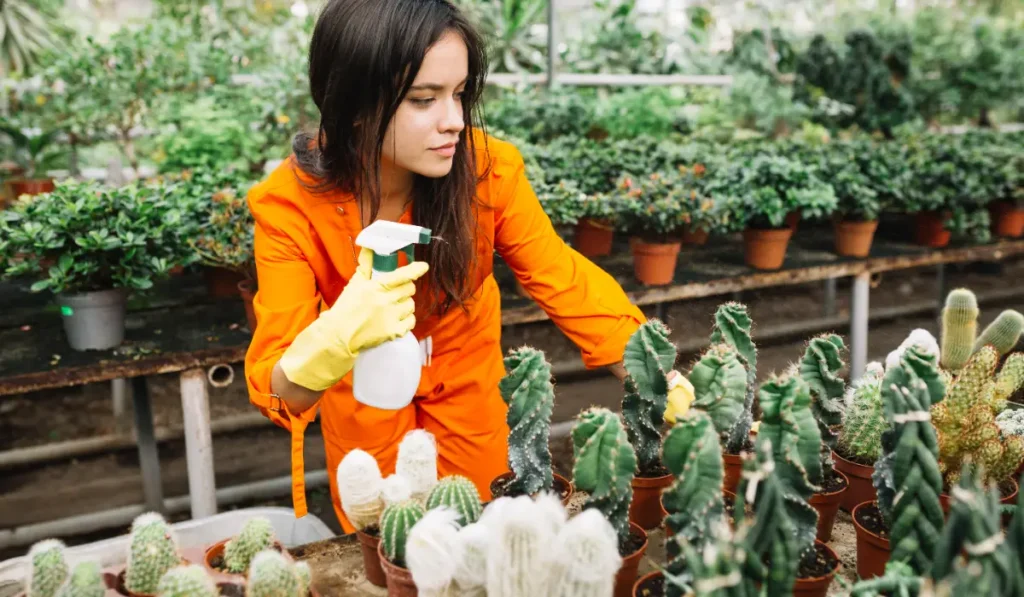
A beautiful decoradyard garden tips by decoratoradvice does not always require a large investment. Small improvements can create noticeable changes.
Budget-Friendly Updates
Affordable improvements include:
- Adding colorful plants
- Installing solar lights
- Creating a small herb garden
- Refreshing mulch
- Painting old planters
Medium Budget Improvements
Consider:
- Building raised beds
- Adding outdoor seating
- Installing pathways
- Creating privacy screens
Larger Garden Projects
For bigger transformations:
- Install pergolas
- Create outdoor kitchens
- Add water features
- Redesign the entire landscape layout
The best garden improvements are those that match your lifestyle and long-term goals.
Frequently Asked Questions
How can I make my garden look professionally designed?
A professional-looking decoradyard garden tips by decoratoradvice usually depends on organization rather than expensive features. Use a consistent color palette, create functional zones, choose suitable plants, and maintain balance between greenery and decorative elements.
What are the most important garden design principles?
The most important principles include proper planning, balance, proportion, color coordination, plant selection, and regular maintenance. These elements help create an outdoor space that is both attractive and practical.
How do I choose plants for my garden?
Choose plants based on sunlight availability, soil condition, climate, water requirements, and maintenance preferences. Native and low-maintenance plants are often the easiest choices for beginners.
How can I improve a small garden?
Small gardens can be improved by using vertical gardening, compact furniture, layered planting, hanging plants, and smart lighting. Keeping the design simple prevents the space from feeling crowded.
How often should I maintain my garden?
Garden maintenance depends on plant types and climate, but regular tasks such as watering, removing weeds, pruning, and checking plant health should be performed consistently.
Conclusion
Creating a beautiful outdoor space requires more than simply adding plants and decorations. A successful decoradyard garden tips by decoratoradvice combines thoughtful planning, suitable plant choices, comfortable features, and sustainable practices that work together over time.
By following decoradyard garden tips by decoratoradvice, homeowners can transform ordinary outdoor areas into organized, relaxing, and visually appealing environments. Whether improving a small balcony garden or redesigning a large backyard, focusing on balance, functionality, and personal style will create a space that remains enjoyable for years.
A well-planned decoradyard garden tips by decoratoradvice becomes more than an outdoor area—it becomes a natural extension of the home where people can relax, entertain, and enjoy a stronger connection with nature.