
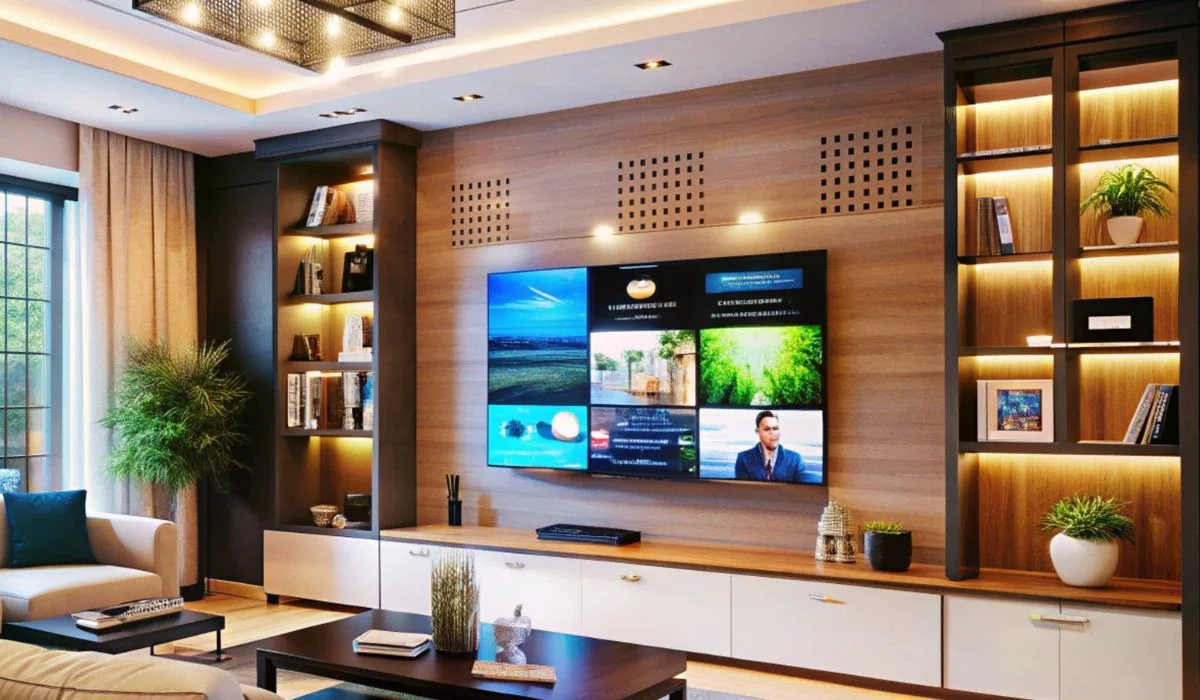
A cabinet TV cabinet can do much more than hold your television. The right design can organize entertainment devices, hide cables, provide useful storage, and make the TV wall feel like a planned part of your interior. From simple wooden cabinets to modern wall-mounted units, there are many options for different room sizes and decorating styles.
The best choice depends on your TV size, available wall space, storage requirements, and the overall look you want to create. This guide explains the most useful cabinet styles, materials, features, and planning tips to help you choose a TV cabinet that is both attractive and practical.
What Is a Cabinet TV Cabinet?
A cabinet TV cabinet is a piece of furniture designed to support or surround a television while providing storage for media equipment and household items. Depending on the design, it may include drawers, cupboards, open shelves, compartments, or a combination of these features.
Unlike a basic TV stand, a cabinet-style unit can offer more concealed storage and create a stronger visual connection between the television and the rest of the room. It can be freestanding, wall-mounted, built into a larger media wall, or designed as a full-height storage unit.
Popular Cabinet TV Cabinet Designs
There is no single design that works for every home. Consider the size of your room, your storage needs, and the style of your existing furniture before choosing a cabinet.
1. Modern Wooden TV Cabinet
Wooden cabinets remain a versatile choice because they add warmth while working with both contemporary and traditional interiors. A simple cabinet with clean lines can make the TV area look neat without making it feel overly decorative.
You can choose natural wood tones, wood-look laminates, or darker finishes depending on your furniture. Combining wooden surfaces with neutral walls and simple hardware can create a balanced and timeless appearance.
2. Floating TV Cabinet
A floating TV cabinet is attached to the wall rather than sitting directly on the floor. The open space underneath creates a lighter appearance and can make a compact room feel less crowded.
Floating cabinets are particularly useful when you want a minimalist TV wall. Drawers or closed compartments can hide remotes, gaming accessories, cables, and other small items while keeping the visible surface clean.
3. TV Cabinet With Open Shelves
Open shelving adds display space around the television. You can use these shelves for books, small plants, photographs, decorative objects, or media accessories.
However, open shelves should not become overcrowded. A combination of open shelves and closed cabinets usually gives you a better balance between decoration and hidden storage.
4. Full-Wall TV Cabinet
A full-wall cabinet can combine the television area with storage, display shelves, and decorative panels. It works particularly well in larger living rooms where a small console might look visually lost against the wall.
The important point is to maintain proportion. Too many closed cabinets can make the wall feel heavy, so adding open sections, different textures, or a contrasting back panel can create visual variety.
5. Minimalist TV Cabinet
For a clean interior, choose a cabinet with straight lines, limited hardware, and a simple finish. Handleless drawers and concealed storage can reduce visual clutter.
This design works well with modern and minimalist rooms where the television should integrate into the space rather than dominate it.
6. Corner TV Cabinet
A corner cabinet can make use of an area that might otherwise remain unused. It can be especially helpful in rooms where a full-width TV cabinet would interfere with windows, doors, or furniture placement.
Before choosing a corner design, carefully measure the available space and check the viewing angle from the main seating area.
How to Choose the Right TV Cabinet Size
Size is one of the most important considerations when selecting a cabinet TV cabinet. The furniture should be large enough to support the television safely while remaining proportional to the wall and other furniture.
Start by measuring the actual width of your TV rather than relying only on the advertised screen size. Also check the position and spacing of the TV feet if the television will sit directly on the cabinet.
Consider the Wall Width
A cabinet that is too small can look disconnected from the television wall, while an oversized unit may make a small room feel crowded. Leave enough surrounding space for the room to breathe and consider nearby windows, doors, switches, and walking paths.
For a larger TV, a wider cabinet can also provide better visual balance. If you are using a wall-mounted TV, the cabinet does not necessarily need to match the full width of the screen, but its proportions should still look intentional.
Consider Cabinet Height
The height of the cabinet should support comfortable viewing and work with your seating arrangement. A very tall cabinet can force the television too high, while an extremely low unit may not provide enough storage or visual balance.
Before installation, sit on your main sofa and consider where the center of the screen will be. This simple check can prevent an uncomfortable viewing setup.
Best Materials for a Cabinet TV Cabinet
Material affects durability, appearance, maintenance, and overall cost. Choose a material according to how frequently the cabinet will be used and the style you want.
| Material | Main Advantage | Suitable For |
| Plywood | Strong and versatile | Long-term furniture |
| MDF | Smooth and easy to finish | Painted or modern cabinets |
| Solid Wood | Natural appearance | Classic and premium interiors |
| Laminate Finish | Many colors and textures | Practical modern designs |
| Veneer | Natural wood appearance | Refined interiors |
| Glass | Light and decorative look | Display sections |
For frequently used cabinets, construction quality is just as important as the surface finish. Pay attention to the thickness of boards, quality of hardware, strength of hinges, and how the cabinet is assembled.
Storage Features to Look For
A good TV cabinet should solve storage problems rather than simply add another piece of furniture. Think about everything you need to keep near the television before deciding on the cabinet layout.
Closed cupboards are useful for hiding items that you do not want visible, while drawers can hold remotes, controllers, cables, and smaller accessories. Open shelves are better for items you want to display or access frequently.
If you use a gaming console, soundbar, streaming device, speakers, or other equipment, make sure the cabinet has enough space for them. Planning storage around your actual devices will produce a much more functional setup.
Cable Management Matters
Visible cables can quickly make even a beautiful TV cabinet look untidy. When selecting a design, look for openings or channels that allow wires to pass neatly behind the cabinet.
Keep enough space for cables to bend without being tightly squeezed. If several devices are connected, label or organize the cables so that future maintenance does not become difficult.
A clean cable-management plan should be considered before the cabinet is installed, especially for wall-mounted designs.
Bilkul, is section ko H3s aur points ke sath zyada scannable aur valuable bana dete hain:
Cabinet TV Cabinet Ideas for Small Rooms
Small living rooms need a TV cabinet that provides storage without making the space feel crowded. The right design can use vertical or wall space efficiently while keeping the room open and organized.
Choose a Floating Cabinet
A slim floating cabinet keeps the floor visible, creating a lighter and more spacious appearance. It also provides useful storage for remotes, media devices, and other small items.
Use Vertical Storage
Tall, narrow cabinets or shelves can make better use of wall height without taking up much floor space. They are useful when you need extra storage but have limited room width.
Keep the Design Simple
Choose clean lines, simple shapes, and lighter finishes to prevent the TV wall from looking heavy. Avoid overly detailed designs in already busy rooms.
Combine Open and Closed Storage
Use closed cabinets to hide clutter and open shelves for a few decorative items. This gives you practical storage while keeping the TV area visually balanced.
Avoid Too Much Decoration
Too many accessories can make a small room feel crowded. Keep only a few plants, books, or decorative pieces and leave some shelf space open.
How to Match the Cabinet With Your Interior Style
Your TV cabinet should complement the furniture already in the room rather than appearing as an unrelated addition.
For a modern interior, consider clean lines, neutral colors, matte finishes, or a combination of wood and darker accents. A traditional room may work better with richer wood tones and more detailed cabinet construction.
For Scandinavian-inspired spaces, light wood and simple forms can maintain a calm appearance. Industrial interiors can combine wood with metal details, while minimalist rooms generally benefit from concealed storage and fewer visible elements.
Should You Choose Open or Closed Storage?
The answer depends on what you want your TV area to achieve.
Open storage works well for books, plants, artwork, speakers, and decorative accessories. It makes frequently used items easy to reach and prevents the cabinet from looking too solid.
Closed storage is better for cables, remotes, gaming accessories, documents, and other items that can create visual clutter. For many homes, combining both options provides the most practical solution.
Expert Tips Before Buying a TV Cabinet
Before purchasing or custom-making a cabinet TV cabinet, take a few minutes to plan the complete setup.
- Measure the TV and available wall space accurately.
- Check the TV stand or foot dimensions if it will sit on the cabinet.
- Decide what equipment needs to be stored.
- Plan cable routes before installation.
- Check ventilation around electronic devices.
- Consider the height of your sofa and normal viewing position.
- Match the cabinet finish with existing furniture.
- Leave enough space for doors, drawers, and walking paths.
- Choose durable hardware for frequently used storage.
- Avoid selecting a design based only on appearance.
A cabinet that looks impressive but does not provide enough storage or proper equipment access can become frustrating over time.
Bilkul, isay thora expand kar diya hai taake har H3 mein useful information ho, lekin section unnecessarily long na ho.
Common Mistakes to Avoid
Choosing a TV cabinet is not only about finding a design that looks good. Its size, storage, placement, and functionality all affect how comfortable and organized your TV area will be. Avoiding a few common mistakes can help you choose a cabinet that works well for both your current and future needs.
Choosing Only by TV Screen Size
A common mistake is selecting a cabinet based only on the TV’s advertised screen size. The actual width of the television, position of its feet, cabinet depth, and available wall space should also be considered.
Measure the TV and cabinet area before buying, especially if the television will sit directly on the unit. This helps ensure proper support and prevents the cabinet from looking too small or oversized.
Ignoring Future Storage Needs
Your storage requirements may increase over time. You might later add a gaming console, soundbar, speakers, streaming devices, or additional accessories that need space.
Choose a cabinet with a little extra storage rather than filling every compartment from the beginning. This makes it easier to keep the TV area organized as your needs change.
Overloading the TV Wall
Too many decorative items can make the TV wall look crowded and distract attention from the screen. This is particularly noticeable in smaller living rooms where visual clutter can make the space feel even tighter.
Use decoration selectively and leave some open space around the television. A few books, plants, artwork, or accessories are often enough to add personality without overwhelming the cabinet.
Forgetting Cable Management
Poorly arranged cables can quickly spoil an otherwise neat TV setup. Wires from the television, gaming devices, speakers, and streaming equipment should have a clear route through or behind the cabinet.
Look for cabinets with cable openings or rear channels, and plan the wiring before installation. Keep important connections accessible so they can be adjusted or replaced easily later.
Choosing Style Over Function
A beautiful cabinet may not be practical if it lacks enough storage, has poor ventilation, or makes your equipment difficult to access. Consider how you will actually use the cabinet before choosing its appearance.
Prioritize sturdy construction, suitable storage, easy access, cable management, and proper ventilation. Once these practical needs are covered, you can select a finish and design that complements your interior.
How to Keep Your TV Cabinet Looking Good
Regular cleaning helps maintain both the cabinet and the equipment around it. Use a suitable soft cloth for the cabinet surface and follow the manufacturer’s care instructions for specific finishes.
Keep ventilation areas free from dust and avoid blocking equipment openings with decorative objects. Periodically check hinges, handles, cable connections, and wall fittings to make sure everything remains secure.
For wooden or laminate cabinets, protect the surface from excessive moisture and harsh cleaning products that could damage the finish.
Conclusion
A well-designed cabinet TV cabinet can transform an ordinary television area into a practical and attractive part of your home. The right combination of size, storage, material, cable management, and style will make the setup easier to use and more visually balanced.
Whether you prefer a floating cabinet, wooden console, full-wall unit, minimalist design, or space-saving corner cabinet, focus on how the furniture will work in your actual room. Measure first, plan your equipment and storage needs, and then choose a design that complements your interior for a setup that remains useful and stylish over time.
FAQs
1. What is the best material for a TV cabinet?
Plywood, MDF, solid wood, veneer, and laminate-finished boards can all work well. The best choice depends on your budget, desired appearance, and expected use.
2. Should a TV cabinet be wider than the TV?
A slightly wider cabinet often creates better visual balance, but the exact size should also depend on the room, TV support requirements, and available wall space.
3. Is a floating TV cabinet good for small rooms?
Yes. Its raised design keeps some floor area visible and can make a small room feel more open while still providing useful storage.
4. How can I hide TV cables in a cabinet?
Choose a cabinet with cable openings or rear channels and plan the cable route before installation. Keep connections accessible for future maintenance.
5. Should I choose open or closed TV cabinet storage?
A combination is usually practical. Open shelves can display decor and equipment, while closed cabinets hide cables, accessories, and other clutter.
6. How do I choose a TV cabinet for a small living room?
Measure the available wall and floor space first, then consider slim, floating, corner, or vertical storage designs that provide function without overwhelming the room.
7. Can a TV cabinet include a soundbar?
Yes. The cabinet can be designed with an open shelf or suitable compartment for a soundbar, provided the space does not obstruct the equipment.
8. How do I make a TV cabinet look modern?
Use clean lines, simple finishes, concealed storage, organized cables, and a balanced combination of open and closed sections.