
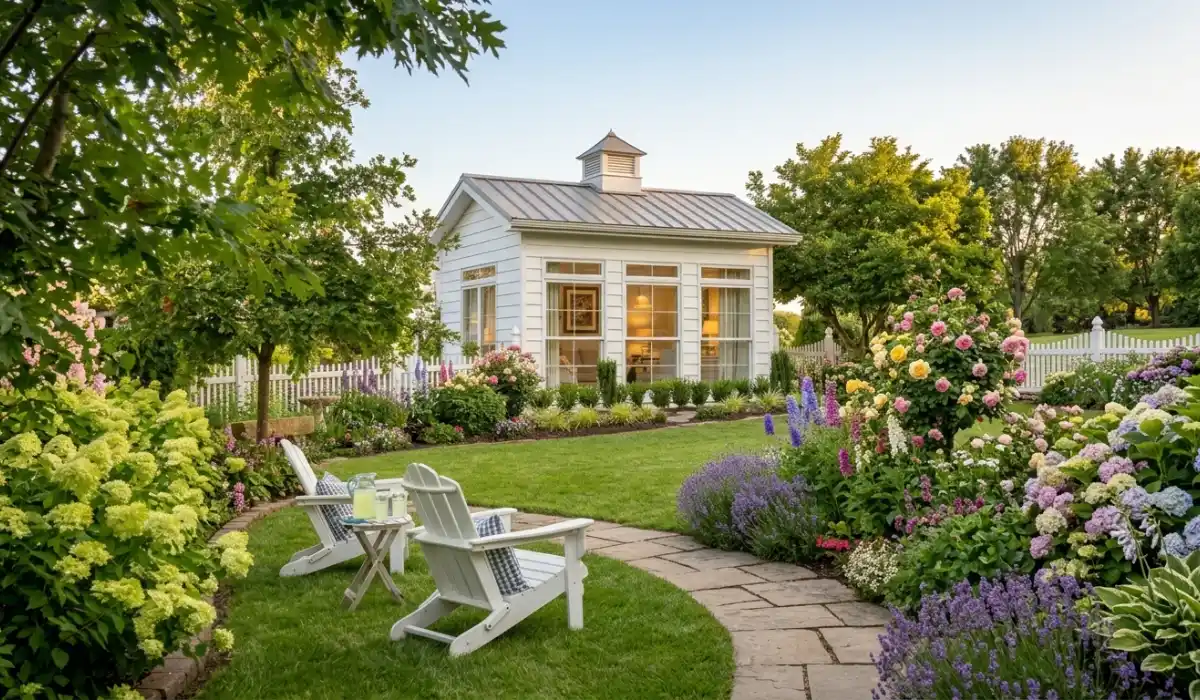
A garden can be more than a place to grow flowers, trees, and vegetables. With the right structure, it can become a comfortable retreat, a creative workspace, or an attractive extension of your home. This is where a garden house can make a difference.
If you are wondering what is a garden house, it is generally a small building or sheltered structure situated in a garden. Traditionally, garden houses have served decorative and recreational purposes. Today, the term can also describe standalone garden buildings designed for hobbies, relaxation, working, or spending time with family.
Garden houses come in different shapes, sizes, materials, and styles. Some feature simple wooden walls and a pitched roof, while others have large windows, modern finishes, and comfortable interiors. The best choice depends on your outdoor space, intended use, personal taste, and budget.
In this guide, you will learn about garden house designs, common uses, benefits, materials, decoration ideas, and important factors to consider before building or purchasing one.
What Is a Garden House and What Is It Used For?
A garden house is a separate structure placed within or alongside a garden. It may be designed primarily for decoration, relaxation, or practical activities. Traditional examples often consist of a single room, while modern versions can offer more space and additional features.
The term does not refer to one specific architectural style. A garden house may look like a small cottage, a wooden summerhouse, a contemporary garden room, or an ornamental pavilion.
Its purpose usually determines its layout and features. A structure intended for relaxing might include comfortable seating and wide windows. One used as a hobby room may need storage shelves, a worktable, and good lighting.
Common uses include:
- Relaxation: A quiet place to read, enjoy a drink, or take a break.
- Gardening: A sheltered area for potting plants and organizing gardening supplies.
- Working: A separate space for a home office or creative projects.
- Entertainment: A comfortable setting for small gatherings and conversations.
- Decoration: An architectural feature that adds character to the garden.
- Hobbies: A dedicated room for painting, crafting, writing, or other activities.
Historic England defines a garden house as a small ornamental building in a garden, typically consisting of one storey and one room. Modern garden-building terminology is broader, so it is important to consider the building’s actual design and intended function.
Different Types of Garden Houses
Garden houses are available in numerous designs. Understanding the main options can help you select a structure that suits your landscape and lifestyle.
1. Traditional Wooden Garden House
A wooden garden house is a popular choice for homeowners who appreciate natural materials and a classic outdoor appearance.
Timber walls, a pitched roof, and simple windows can create a welcoming cottage-style design. Wooden structures work particularly well in gardens featuring flower beds, mature trees, climbing plants, and natural pathways.
You can keep the interior simple with a wooden bench, a small table, and shelves for gardening accessories.
Wood requires appropriate maintenance to protect it from moisture, insects, and weather-related deterioration. The type of treatment needed depends on the timber, construction, and local climate.
2. Modern Garden House
A modern garden house typically features clean lines, a simple exterior, and a practical layout.
Popular design elements include large windows, neutral colors, straight rooflines, and minimal decoration. Some designs combine timber with metal, glass, or composite materials.
This style suits contemporary homes and carefully planned outdoor spaces. You can complement the building with geometric planters, simple furniture, and neatly arranged greenery.
If you intend to use the structure throughout the year, consider insulation, ventilation, suitable glazing, and weather protection rather than focusing on appearance alone.
3. Garden Summerhouse
A summerhouse is generally designed for enjoying the garden during pleasant weather.
It may feature wide windows, double doors, light-colored walls, and an open, airy interior. Some summerhouses have a covered entrance or a small porch.
You can furnish one with outdoor cushions, lightweight chairs, and a compact table. Soft curtains and potted plants can create a comfortable atmosphere without making the room feel crowded.
A summerhouse is particularly suitable for reading, relaxing, and enjoying views of the garden.
4. Garden Office House
A garden office is designed to provide a separate workspace away from the main living areas.
It may include a desk, an ergonomic chair, electrical outlets, lighting, and storage. Depending on the intended use and local requirements, additional insulation, heating, cooling, and reliable internet access may also be necessary.
A well-planned garden office can help create a clearer separation between work and home life.
Before choosing a design, consider how frequently you will use the office and whether the building needs to remain comfortable during hot summers or cold winters.
5. Ornamental Garden House
An ornamental garden house focuses mainly on appearance, shelter, and the experience of spending time outdoors.
It may be inspired by a traditional pavilion, a small architectural folly, or a decorative garden retreat.
These structures can become focal points in formal gardens, landscaped courtyards, and larger backyards. Positioning the building at the end of a garden path can draw attention toward a particular view or planting arrangement.
Choose proportions and materials that complement the surrounding landscape instead of making the structure look disconnected from the garden.
6. Garden House With Glass Windows
A garden house with generous glazing allows natural light to enter and can provide attractive views of the surrounding plants.
Glass doors and windows are especially appealing when the structure is intended for relaxing, reading, or creative activities.
However, large glazed areas can increase heat gain in sunny conditions and may affect privacy. Shading, suitable glazing, ventilation, and careful orientation can help address these concerns.
Consider how sunlight moves across your garden before deciding where to place the building.
What Are the Benefits of Having a Garden House?
Adding a garden house can improve how you use your outdoor space. Its benefits depend on the building’s quality, location, size, and intended purpose.
Creates a Dedicated Relaxation Space
A garden house can provide a peaceful place to step away from everyday activities.
Instead of sitting indoors, you can enjoy natural light and views of flowers, trees, and other landscape features. A comfortable chair, a small table, and a few personal accessories may be all you need.
You can also use the structure as a quiet reading room or a place to enjoy your morning coffee.
Makes Outdoor Space More Functional
A garden may look attractive but offer limited sheltered space for activities. A garden house introduces a separate area that can support a variety of uses.
For example, a small building might serve as a hobby room during the week and a relaxing retreat on weekends.
Careful planning helps you get more value from your available outdoor space without filling the garden with unnecessary structures.
Adds Architectural Interest
A thoughtfully designed garden house can improve the visual balance of a landscape.
A traditional wooden structure can complement a cottage garden, while a simple contemporary building may suit a modern backyard.
The roof shape, exterior color, windows, and surrounding plants all influence the final appearance.
For the best results, coordinate these elements with the main house and the existing garden design.
Provides Space for Hobbies
Some hobbies require a dedicated place to store equipment and complete projects.
A garden house can accommodate art supplies, craft materials, writing equipment, or gardening tools, depending on its size and layout.
Separate storage also helps keep the main house organized.
If your hobby involves dust, noise, chemicals, or specialized equipment, make sure the building has appropriate ventilation and safety features.
Offers Flexible Use
A well-designed garden house can adapt as your needs change.
You might initially use it for reading and relaxation, then reorganize the interior as a workspace or hobby room.
Flexible furniture, wall-mounted shelves, and multipurpose storage can make a small interior more useful.
However, not every garden building is suitable for every activity. Insulation, electrical installations, structural design, and local regulations may limit its intended use.
Garden House vs. Garden Shed: What Is the Difference?
Although these structures may look similar, their typical purposes differ.
A garden shed is usually designed primarily for storage. It can hold gardening tools, lawn equipment, pots, and outdoor supplies.
A garden house is generally associated with relaxation, decoration, shelter, or activities that require a more comfortable environment. Some garden houses also include storage, but their layouts may be designed for people to spend time inside.
| Feature | Garden House | Garden Shed |
|---|---|---|
| Main purpose | Relaxation, hobbies, work, or decoration | Storage and practical garden tasks |
| Interior | May include seating, desks, or other furniture | Often contains shelves and equipment |
| Windows | May have several windows or glazed doors | May have limited windows |
| Appearance | Often designed to complement the landscape | Usually prioritizes practical function |
| Insulation | May be insulated for regular use | Often uninsulated, depending on the model |
| Maintenance | Depends on materials and intended use | Depends on materials and intended use |
These are general distinctions rather than strict rules. A large shed can be attractive and well-finished, while a garden house can be simple and primarily functional.
When choosing between them, focus on how you intend to use the building rather than its name alone.
Garden House vs. Summerhouse
The terms garden house and summerhouse are sometimes used interchangeably, but they can describe different types of structures.
A summerhouse usually emphasizes seasonal enjoyment, relaxation, and garden views. It may feature large windows, lightweight construction, and an airy interior.
A garden house is a broader term. Depending on the context, it can refer to an ornamental pavilion, a small garden retreat, or a more substantial building intended for working or hobbies.
Consider these differences when comparing designs:
- Purpose: A summerhouse generally emphasizes relaxation, while a garden house can support a wider range of activities.
- Construction: Some summerhouses have relatively lightweight construction, while other garden buildings are designed for more regular use.
- Comfort: A building intended for year-round use may require better insulation and weather protection.
- Design: Both can be traditional, contemporary, decorative, or minimalist.
Neither term guarantees a particular level of quality, insulation, or suitability for permanent occupancy. Always review the actual specifications.
Best Garden House Ideas for Small and Large Backyards
The right design can make a garden house feel like a natural part of your landscape.
Small Garden House for Compact Spaces
A small garden house can work well in a courtyard or a modest backyard.
Choose a simple rectangular layout and avoid bulky furniture. A compact bench, wall-mounted shelves, and a narrow table can provide useful features without taking up too much room.
Light exterior colors and appropriately positioned windows can help the structure feel less imposing.
Keep enough open space around the building for access and routine maintenance.
Garden House Surrounded by Plants
Plants can soften the appearance of a building and help it blend into the landscape.
Consider planting ornamental grasses, flowering perennials, or compact shrubs around the structure. Climbing plants may also be suitable when the wall material and building design support them.
Leave enough clearance to prevent dense vegetation from trapping moisture against wooden walls or blocking ventilation.
A curved path, a few stepping stones, and carefully arranged flower beds can connect the garden house to the rest of the yard.
Minimalist Garden House
A minimalist garden house uses simple forms, restrained colors, and limited decoration.
Choose a clean exterior, straightforward windows, and furniture that serves a clear purpose. Gray, white, natural wood, and muted green can work well with many garden styles.
Avoid adding too many decorative objects. A few carefully selected planters or a single outdoor seating area may create a more balanced result.
Garden House With a Covered Porch
A covered porch provides a sheltered transition between the garden and the interior.
Depending on the design, it can accommodate a small bench, outdoor chairs, or a compact table.
The porch can also create visual depth and make the building look more welcoming.
Check that the roof provides suitable protection from local weather and that rainwater drains away from the structure.
Garden House With an Outdoor Seating Area
An outdoor seating area can extend the usefulness of a garden house.
Place weather-resistant chairs or a bench nearby and use planters to define the space. If the garden has enough room, a small paved area can create a comfortable spot for reading or conversation.
Keep furniture arrangements simple so people can move easily between the building and the surrounding garden.
How to Choose the Right Garden House
Choosing a garden house involves more than selecting an attractive design. You should also consider its purpose, dimensions, construction, and ongoing costs.
1. Identify Your Main Purpose
Start by deciding what you want the building to do.
If your main goal is relaxation, prioritize comfortable seating, natural light, and attractive views. For a home office, focus on insulation, electrical access, lighting, and internet connectivity.
If you mainly need storage, a simpler garden shed might be more appropriate.
Defining the purpose early helps prevent unnecessary spending on features you will rarely use.
2. Measure Your Available Space
Measure the proposed location before purchasing a building.
Consider the structure’s length, width, height, roof overhangs, door clearance, and access routes. Remember to leave sufficient room for maintenance and movement around the exterior.
Check for nearby trees, underground services, drainage problems, and overhead obstacles.
You should also consider how the building will affect sunlight, views, and access to other parts of the garden.
3. Choose Suitable Materials
Common garden-building materials include timber, metal, and composite products.
Timber can create a warm, natural appearance, but its maintenance requirements depend on the species, finish, and exposure to weather.
Metal structures can offer practical durability, although insulation and condensation control may require additional attention.
Composite materials may reduce some maintenance needs, but their performance depends on the specific product.
Compare construction quality, warranties, weather resistance, and long-term maintenance rather than choosing solely by appearance.
4. Consider Your Local Climate
Climate influences the materials, roof design, insulation, and ventilation your garden house may need.
In hot climates, shade, suitable glazing, roof insulation, and ventilation can help manage indoor temperatures.
In areas with frequent rain, effective drainage, weather-resistant finishes, and appropriate foundations are important.
Where strong winds or heavy snowfall occur, the building should be designed for the expected conditions.
Choose specifications that suit your actual environment.
5. Set a Realistic Budget
The total cost of a garden house includes more than the purchase price.
You may also need to budget for:
- Site preparation and foundations.
- Delivery and installation.
- Insulation and interior finishes.
- Electrical work and lighting.
- Heating or cooling equipment.
- Furniture and storage.
- Drainage and landscaping.
- Repairs and routine maintenance.
Compare complete project costs before making a decision. A lower initial price does not always mean a lower long-term cost.
6. Check Local Building and Planning Requirements
Before installing a garden house, check the rules that apply to your property.
Requirements can depend on the building’s size, height, location, intended use, utilities, and proximity to property boundaries. Rules may differ between municipalities and countries.
A structure used only for occasional relaxation may be treated differently from one intended for sleeping or independent residential accommodation.
Do not assume that a small building is automatically exempt from every planning or building requirement.
Contact the relevant local authority or a qualified professional if you are unsure.
What Materials Are Used to Build a Garden House?
The materials you choose affect the appearance, comfort, durability, and maintenance requirements of your garden house.
Timber
Timber is commonly used for garden buildings because it offers a natural appearance and can suit many architectural styles.
It can be painted, stained, or left with an appropriate protective finish. However, timber exposed to moisture and sunlight may require periodic treatment or repairs.
Good detailing around the roof, windows, base, and drainage points helps protect the structure.
Metal
Metal may be used for framing, roofing, or complete garden-building systems.
It can provide a modern appearance and practical strength, depending on the design and product specifications.
Pay attention to corrosion protection, thermal performance, condensation control, and the quality of joints.
Glass
Glass is frequently used in windows and doors to introduce daylight and connect the interior with the garden.
Double glazing and suitable shading may improve comfort, depending on the climate and intended use.
Large glass panels also require careful consideration of privacy, safety, and solar heat gain.
Composite Materials
Composite products may be used for exterior cladding, decking, trim, and other components.
Their maintenance requirements vary by composition, finish, and exposure.
Check the manufacturer’s guidance for cleaning, installation, weather resistance, and expected service life before selecting a product.
How to Decorate and Furnish a Garden House
Once the structure is complete, thoughtful decoration can make it more comfortable and visually appealing.
Choose a Coordinated Color Scheme
Select colors that complement both the building and the surrounding garden.
Natural wood tones can create a warm atmosphere, while white and muted gray can suit contemporary designs. Green accents may connect the structure visually with nearby plants.
Use a limited palette to avoid making a small interior feel busy.
Use Space-Saving Furniture
Compact furniture can help you make the most of a small garden house.
Consider folding chairs, a narrow desk, storage benches, and wall-mounted shelves. Furniture with built-in storage can also reduce clutter.
Before purchasing large items, measure doorways and interior dimensions to ensure everything fits comfortably.
Introduce Soft Lighting
Lighting affects how the garden house looks and feels, especially during the evening.
Table lamps, suitable wall lights, and carefully positioned task lighting can create a comfortable environment.
For an office or hobby room, make sure the lighting is appropriate for the activities you perform.
Outdoor electrical installations should be suitable for the environment and completed in accordance with applicable safety requirements.
Add Plants and Natural Accessories
Potted plants can bring color and texture into the interior.
Choose varieties suited to the available light and the amount of care you can provide. A small arrangement of plants, a natural-fiber rug, or a few wooden accessories can create a welcoming atmosphere.
Avoid overcrowding the room with decorative objects that reduce usable space.
Keep Storage Organized
Good storage helps maintain a clean and functional interior.
Use labeled containers for small items and shelves for books, tools, or hobby supplies. Keep frequently used objects within easy reach.
If you use the building for multiple purposes, divide it into simple zones for working, relaxing, and storage.
How to Maintain a Garden House
Regular maintenance helps protect the building and keeps it looking attractive.
Inspect the Roof and Gutters
Check the roof periodically for damaged coverings, loose components, or signs of water penetration.
If the building has gutters, remove accumulated leaves and other debris so water can drain properly.
Address leaks promptly to prevent damage to walls, flooring, and interior furnishings.
Protect Wooden Surfaces
Inspect timber walls, doors, and frames for peeling finishes, moisture damage, or signs of deterioration.
Apply appropriate protective treatments according to the material and manufacturer’s recommendations.
Keep soil, mulch, and dense vegetation from accumulating against wooden walls.
Check Doors and Windows
Open and close doors and windows periodically to identify sticking, damaged seals, or loose hardware.
Clean glazing with suitable products and replace worn components when necessary.
Maintaining seals can help reduce unwanted drafts and moisture entry.
Keep the Surrounding Area Clear
Trim plants where necessary and remove debris from around the building.
Check that water drains away from the foundation and that access routes remain safe.
Regularly inspect nearby branches that could rub against the roof or walls.
Maintain Interior Ventilation
Ventilation helps control indoor moisture and can reduce condensation.
Open windows when conditions allow, use suitable ventilation systems where needed, and investigate persistent musty smells or visible moisture.
If you use the garden house throughout the year, check its insulation and heating arrangements to ensure they are appropriate for your climate and activities.
Is a Garden House Worth Adding to Your Backyard?
A garden house can be a worthwhile addition when it serves a clear purpose and fits the available space.
For some homeowners, a simple summerhouse provides a peaceful place to relax. Others may prefer a more substantial garden room for working, creative activities, or year-round hobbies.
The key is to match the building’s design and construction to the way you plan to use it.
Before committing to a purchase, consider the installation costs, maintenance requirements, local rules, and impact on the rest of your garden. A carefully selected structure can complement the landscape and make outdoor space more useful.
Frequently Asked Questions
What is a garden house in simple terms?
A garden house is a small building or sheltered structure located in a garden. It may be used for decoration, relaxation, hobbies, gardening, or other activities, depending on its design.
What is the main purpose of a garden house?
Its main purpose is to provide a separate space for enjoying or using the garden. Common functions include relaxation, creative work, gardening activities, and occasional home-office use.
Is a garden house the same as a garden shed?
No, not necessarily. A garden shed is usually intended for storage, while a garden house often emphasizes comfort, relaxation, decoration, or activities that require usable interior space. However, their functions can overlap.
Can a garden house be used as a home office?
Yes, if the building is suitably designed and equipped. Depending on your needs, it may require insulation, electrical installations, lighting, internet access, and heating or cooling.
Which material is best for a garden house?
There is no single best material for every situation. Timber offers a natural appearance, metal can provide practical durability, and composite products may reduce some maintenance needs. The right choice depends on your climate, budget, design preferences, and intended use.
Does a garden house need a foundation?
Many garden houses need a suitable base or foundation to provide stable support. The appropriate solution depends on the building’s weight, soil conditions, drainage, dimensions, and manufacturer’s requirements.
Can you use a garden house throughout the year?
Some garden houses are suitable for year-round use, but others are designed mainly for seasonal relaxation. Regular use in different weather conditions may require insulation, appropriate glazing, ventilation, and heating or cooling.
How do you make a small garden house look attractive?
Use a coordinated color scheme, compact furniture, suitable lighting, and a few carefully chosen accessories. Outside, combine the structure with plants, a clear pathway, and a simple seating area.
Is a garden house suitable for every backyard?
Not always. The available space, access, drainage, sunlight, budget, and local regulations all affect suitability. Measure the proposed location and consider how the structure will influence the rest of the garden before purchasing one.
Final Thoughts
A garden house can be a decorative feature, a relaxing retreat, or a practical extension of your outdoor living space. Its value depends on choosing the right design, materials, location, and features for your needs.
Whether you prefer a traditional wooden summerhouse or a contemporary garden room, thoughtful planning can help you create a structure that complements your home and landscape.
Start by deciding how you want to use the space, then compare suitable designs and calculate the full installation and maintenance costs. With a clear plan, you can create a garden house that is both attractive and functional.