
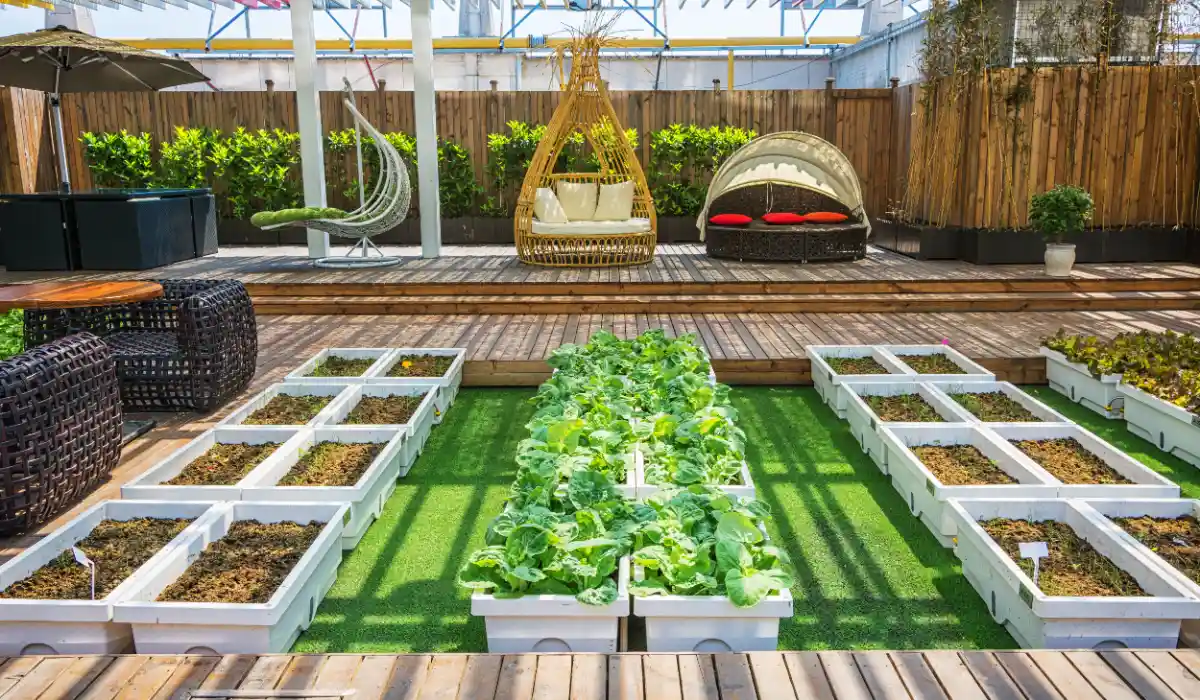
A beautiful outdoor space can completely change the way a home feels. A yard, patio, or garden is not only an empty area around your house; it can become a relaxing retreat, an entertainment zone, or a peaceful connection with nature. With the right planning and creative choices, even a simple outdoor area can look organized, comfortable, and visually appealing.
The best decoration ideas decoradyard focus on creating balance between beauty and usefulness. Instead of filling your yard with random decorations, successful outdoor design combines practical layouts, suitable plants, comfortable furniture, lighting, and personal touches that reflect your lifestyle.
Many homeowners believe outdoor decoration requires a large budget or professional landscaping services. However, thoughtful planning and small improvements can create impressive results. Choosing the right elements, placing them correctly, and maintaining a consistent style can make your outdoor area feel like an extension of your home.
This guide explains practical outdoor decorating strategies, creative improvements, and expert-inspired methods to help you create a welcoming garden or backyard without unnecessary expenses.
Start With a Clear Outdoor Decoration Plan
Before purchasing furniture, plants, or decorative items, the first step is understanding your space. Many decoration problems happen because homeowners add items before deciding how the area should function.
A successful outdoor design begins with a simple question: How do you want to use this space?
Some people want a quiet garden corner for relaxation, while others need an outdoor area for family gatherings, dining, or entertainment. Your purpose should guide every decoration decision.
Evaluate Your Available Space
Every outdoor area has different opportunities and limitations. A small balcony requires different solutions compared with a large backyard.
Before decorating, analyze:
- Available floor space
- Sunlight exposure throughout the day
- Existing plants and structures
- Walking paths
- Privacy requirements
- Weather conditions
Understanding these factors helps prevent overcrowding and ensures every decoration has a purpose.
Create Functional Zones
One of the most effective decoration tips decoradyard approaches is dividing your outdoor area into functional zones.
Instead of treating the yard as one large empty space, create sections based on activities.
| Outdoor Zone | Purpose | Decoration Ideas |
|---|---|---|
| Relaxation Corner | Reading, resting, enjoying nature | Comfortable chairs, cushions, plants |
| Dining Area | Outdoor meals and gatherings | Table, chairs, lighting |
| Garden Section | Adding greenery and color | Flower beds, planters, vertical gardens |
| Entertainment Space | Social activities | Fire pit, outdoor seating, decorative lights |
| Walking Area | Easy movement | Pathways, stones, garden borders |
A planned layout creates a more professional appearance and makes the outdoor space easier to enjoy.
Choose a Decoration Style That Matches Your Home
A common mistake is mixing too many outdoor styles without creating visual connection. A clear design theme helps every element work together.
Your outdoor decoration style should complement both your personality and your home’s architecture.
Modern Outdoor Style
Modern outdoor spaces usually focus on simplicity and clean designs.
Common features include:
- Neutral colors
- Minimal furniture
- Straight lines
- Simple planters
- Contemporary lighting
This style works well for homeowners who prefer an organized and low-maintenance environment.
Rustic Garden Style
Rustic designs create a warm and natural feeling by using organic materials.
Popular elements include:
- Wooden furniture
- Stone pathways
- Vintage decorations
- Natural textures
- Warm lighting
Rustic outdoor spaces often feel comfortable because they connect decoration with nature.
Natural Garden Style
A natural garden focuses on plants, greenery, and relaxed arrangements.
Features may include:
- Native plants
- Layered greenery
- Organic materials
- Water elements
- Wildlife-friendly features
This style creates a peaceful environment and works especially well for gardens.
Improve Your Yard With Plants and Greenery
Plants are one of the most powerful ways to enhance an outdoor area. They add color, texture, privacy, and a natural atmosphere.
However, adding too many plants without planning can make a yard look crowded. The goal is to create balance between greenery and open space.
Select Plants According to Your Environment
The right plants depend on:
- Climate conditions
- Available sunlight
- Soil quality
- Water availability
- Maintenance preferences
Low-maintenance plants are ideal for busy homeowners because they provide beauty without requiring constant attention.
Examples include:
- Ornamental grasses
- Lavender
- Shrubs
- Succulents
- Native flowering plants
Choosing suitable plants improves long-term success and reduces unnecessary maintenance.
Use Different Plant Heights
A flat arrangement can make a garden appear less interesting. Professional-looking landscapes usually include different levels.
A balanced plant arrangement includes:
- Tall plants or shrubs at the back
- Medium plants in the middle
- Smaller flowers or ground covers in front
This creates depth and makes the garden feel fuller.
Add Vertical Garden Features
Small outdoor spaces often have limited floor area. Vertical gardening provides a practical solution by using walls, fences, and unused vertical spaces.
Ideas include:
- Wall-mounted planters
- Hanging pots
- Wooden plant shelves
- Climbing vines
- Vertical garden panels
These solutions are especially useful for balconies, patios, and compact yards.
Create Comfortable Outdoor Living Areas
A decorated yard should not only look attractive; it should also encourage people to spend time outside.
Comfortable furniture transforms an ordinary outdoor area into a functional living space.
Select Weather-Resistant Furniture
Outdoor furniture should be chosen based on durability and comfort.
Popular materials include:
- Teak wood
- Aluminum
- Synthetic wicker
- Powder-coated metal
Consider your climate before selecting materials because outdoor furniture must handle sunlight, rain, and temperature changes.
Add Comfort With Outdoor Accessories
Small additions can dramatically improve the atmosphere.
Consider adding:
- Outdoor cushions
- Weather-resistant rugs
- Throw pillows
- Blankets for cooler evenings
- Small side tables
These details make outdoor spaces feel more connected to indoor living areas.
Use Lighting to Change the Mood of Your Outdoor Space
Lighting is one of the most effective ways to improve a garden or backyard. A well-lit outdoor area becomes safer, more attractive, and usable after sunset.
Many homeowners focus only on daytime appearance and ignore nighttime design. However, lighting can completely transform the atmosphere.
Layer Different Lighting Types
A balanced outdoor lighting plan includes multiple sources.
Pathway Lighting
Path lights improve safety while highlighting walkways and garden borders.
Accent Lighting
Use focused lights to highlight:
- Trees
- Sculptures
- Water features
- Architectural details
Decorative Lighting
String lights and lanterns create warmth around seating and entertainment areas.
Good lighting does not require expensive installations. Simple solar lights and LED options can create noticeable improvements.
Add Creative Decorative Features to Give Your Yard Personality
Once the foundation of your outdoor space is complete, decorative features help add character and make the area feel unique. The purpose of decoration is not to fill every empty corner but to introduce elements that support the overall design.
The best decoration ideas decoradyard focus on meaningful additions that improve appearance while maintaining balance. A few carefully selected features often create a stronger impact than many unrelated items.
Create a Garden Focal Point
Every well-designed outdoor area benefits from a focal point. This is the feature that naturally attracts attention and creates a visual center for the space.
A focal point can be:
- A decorative fountain
- A statement plant
- A pergola
- A fire pit
- A sculpture
- A colorful flower arrangement
- A comfortable seating corner
The focal point should match the size of your yard. A large feature in a small area can make the space feel crowded, while a tiny decoration may disappear in a large garden.
Add Outdoor Wall Decoration
Walls, fences, and empty vertical surfaces often become overlooked areas. Using them creatively can improve the overall appearance of your outdoor space.
Ideas for outdoor wall decoration include:
- Hanging planters
- Wooden panels
- Garden artwork
- Decorative mirrors
- Metal wall designs
- Vertical plant arrangements
Outdoor walls can also improve privacy while adding style to plain areas.
Try Budget-Friendly DIY Outdoor Decoration Ideas
A beautiful yard does not always require expensive products. Many homeowners can create impressive improvements by using creativity and repurposing existing materials.
DIY projects allow you to personalize your outdoor area while controlling costs.
Repurpose Old Items Into Garden Features
Unused household items can become attractive outdoor decorations.
Examples include:
- Turning wooden pallets into seating
- Using old containers as planters
- Creating garden borders from recycled materials
- Transforming unused furniture into outdoor pieces
- Making handmade decorative signs
Repurposing items adds personality and creates a unique outdoor environment.
Refresh Existing Furniture
Buying new furniture is not always necessary. Old outdoor furniture can often be improved with simple updates.
Consider:
- Repainting wooden furniture
- Replacing cushions
- Adding weather-resistant covers
- Cleaning and restoring surfaces
Small improvements can make existing pieces look completely different.
Decorate Small Outdoor Spaces Without Creating Clutter
Small yards, balconies, and patios require careful planning because every inch matters. The biggest mistake in compact areas is adding too many items.
A successful small-space design focuses on functionality and visual openness.
Use Space-Saving Decoration Techniques
Helpful ideas include:
- Vertical gardens
- Foldable furniture
- Hanging plants
- Multi-purpose storage
- Slim outdoor seating
Using vertical space allows you to add greenery without reducing walking areas.
Choose the Right Scale of Furniture
Large furniture can make a small yard feel uncomfortable. Select pieces that match the available space.
Better options include:
- Compact chairs
- Small tables
- Narrow benches
- Stackable seating
Keeping the design simple creates the feeling of a larger outdoor area.
Improve Your Yard With Color and Texture
Color and texture influence how people experience an outdoor environment. A balanced combination creates a more attractive and comfortable atmosphere.
Use a Consistent Color Palette
Too many colors can make a yard appear disorganized. Instead, choose a few complementary colors and repeat them throughout the space.
A simple outdoor palette may include:
- Green plants as the base color
- Neutral furniture tones
- One or two accent colors
For example, beige furniture with green plants and blue decorative accessories can create a calm and balanced appearance.
Combine Different Textures
Texture creates visual interest even when colors are simple.
Combine materials such as:
- Wood
- Stone
- Metal
- Fabric
- Plants
- Natural fibers
A mixture of textures prevents outdoor spaces from feeling flat.
Include Sustainable Garden Decoration Practices
Modern outdoor design is increasingly focused on sustainability. Eco-friendly decoration methods can improve your garden while reducing environmental impact.
Sustainable decoradyard garden tips by decoratoradvice encourage homeowners to choose solutions that are attractive and responsible.
Use Native Plants
Native plants are adapted to local conditions, making them easier to maintain.
Benefits include:
- Lower water requirements
- Better resistance to local weather
- Support for insects and wildlife
- Reduced maintenance needs
Choose Environmentally Friendly Materials
When selecting outdoor items, consider:
- Recycled materials
- Natural stone
- Sustainable wood
- Long-lasting products
Durable materials reduce waste and save money over time.
Add Water-Saving Features
Water conservation can be included in outdoor decoration through:
- Rainwater collection systems
- Drip irrigation
- Drought-resistant plants
- Mulching around plants
These methods help maintain a healthy garden while using fewer resources.
Maintain Your Decorated Outdoor Space Throughout the Year
A well-decorated yard requires regular care. Without maintenance, even beautiful designs can quickly lose their appeal.
Regular upkeep protects your investment and keeps the space comfortable.
Seasonal Maintenance Checklist
| Season | Important Tasks |
|---|---|
| Spring | Clean outdoor areas, prepare plants, refresh decorations |
| Summer | Water plants, maintain furniture, check lighting |
| Autumn | Remove fallen leaves, protect sensitive plants |
| Winter | Store delicate items, inspect outdoor structures |
Small maintenance tasks performed regularly prevent larger problems later.
Common Outdoor Decoration Mistakes to Avoid
Even with good ideas, poor execution can affect the final result. Understanding common mistakes helps create a more successful outdoor design.
Adding Too Many Decorations
Overcrowding makes a yard feel messy rather than stylish.
A better approach is choosing fewer items with stronger visual impact.
Ignoring the Existing Space
Every outdoor area has unique conditions. Ignoring sunlight, size, and layout can lead to poor decoration choices.
Always consider the environment before making changes.
Mixing Too Many Design Styles
Combining modern, rustic, traditional, and tropical styles without planning can create visual confusion.
Choose one main style and add small complementary details.
Forgetting Maintenance Requirements
A decoration that requires constant care may become frustrating over time.
Select features that match your available time and lifestyle.
Quick Decoration Planning Guide
The following process can help homeowners organize their outdoor transformation:
| Step | Action |
|---|---|
| 1 | Analyze your outdoor space and requirements |
| 2 | Select a design style |
| 3 | Create functional zones |
| 4 | Add plants and natural elements |
| 5 | Choose suitable furniture |
| 6 | Improve lighting |
| 7 | Add decorative details |
| 8 | Maintain the finished space |
Following a structured approach prevents unnecessary spending and creates better results.
Frequently Asked Questions
What are the easiest decoration ideas for beginners?
Beginners can start with simple improvements such as adding plants, outdoor lighting, comfortable seating, and decorative accessories. These changes create noticeable improvements without requiring major renovations.
How can I decorate my yard on a small budget?
Affordable improvements include repainting old furniture, creating DIY decorations, adding inexpensive plants, installing solar lights, and reusing existing household items.
How do I make a small outdoor space look bigger?
Use vertical gardens, light colors, compact furniture, open pathways, and fewer decorative items. Keeping the design organized creates a more spacious appearance.
What are the most important outdoor decoration elements?
The most important elements are layout, plants, furniture, lighting, color coordination, and personal decorative touches. These features work together to create a balanced outdoor environment.
How often should I update my outdoor decoration?
Small seasonal updates can keep your outdoor space fresh. Major changes are usually unnecessary unless your lifestyle or design preferences change.
Are DIY projects useful for outdoor decoration?
Yes. DIY projects can reduce costs and add personality. Repurposed materials often create unique designs that cannot be found in standard outdoor décor stores.
Conclusion
Creating an attractive outdoor area is not about adding the most decorations or spending the most money. The best designs come from thoughtful planning, balanced layouts, suitable plants, comfortable furniture, and carefully selected details.
The most effective decoration ideas decoradyard focus on improving how a space feels and functions. Whether you have a small patio, a garden corner, or a large backyard, practical changes such as better lighting, organized zones, greenery, and personal touches can completely transform the environment.
By applying these decoration strategies and maintaining your outdoor area regularly, you can create a welcoming space that reflects your style and provides enjoyment throughout the year. A well-designed yard becomes more than decoration—it becomes an extension of your home where relaxation, creativity, and connection with nature come together.