
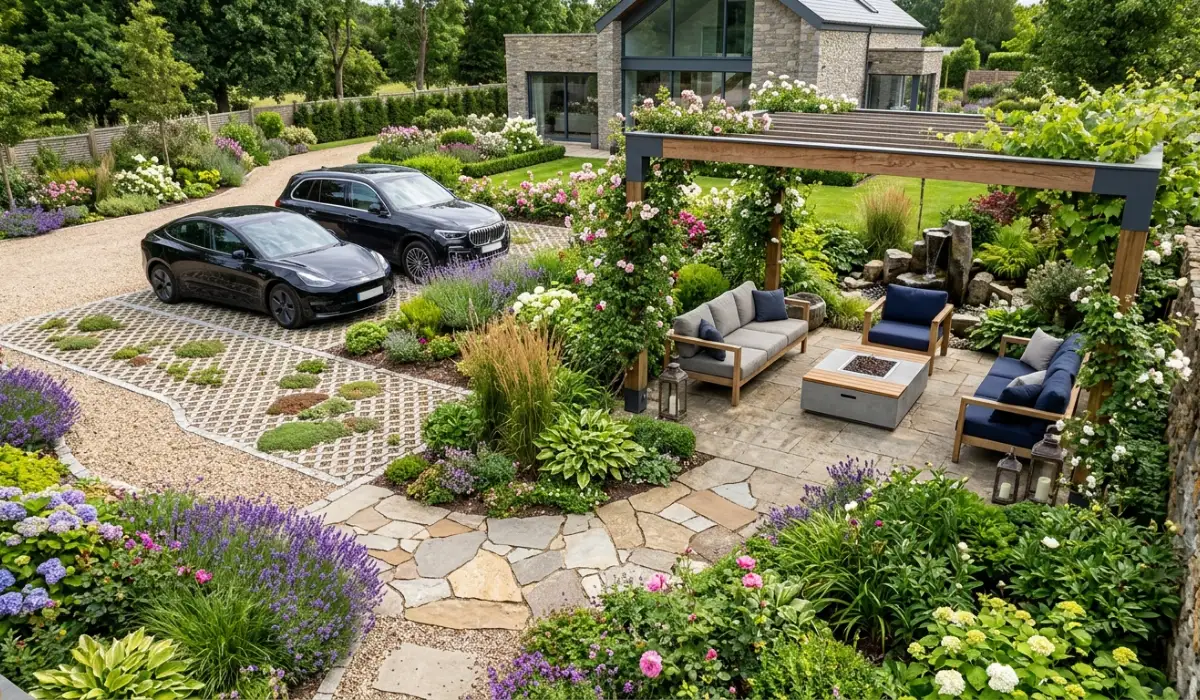
The best garden ideas combine attractive planting, thoughtful layouts, and features that suit the way you use your outdoor space. Whether you have a small patio, a narrow side yard, a spacious backyard, or a front lawn that needs more color, a well-planned garden can make your home feel more welcoming and enjoyable.
You do not need an elaborate landscape or a large budget to create a beautiful garden. Simple changes, such as grouping containers, adding a raised bed, planting along a fence, or creating a comfortable seating corner, can make a noticeable difference. The key is to work with your available space, local climate, sunlight, and maintenance preferences.
From colorful flower beds to productive vegetable plots, these garden ideas offer practical inspiration for US homeowners who want an outdoor space that looks good and works for everyday life.
1. Small Garden Ideas That Make Every Inch Count
A small garden plant ideas can still have several useful features when the layout is planned carefully. Instead of filling every open area with plants and decorations, choose a few elements that work together.
Small-space design inspiration


Use vertical space
Grow climbing plants on a suitable trellis, install wall-mounted planters, or use tiered plant stands. Vertical planting creates room for additional greenery without taking up as much floor space.
Choose supports that can handle the mature plant’s weight and outdoor conditions. Check whether climbing plants need regular pruning or could damage nearby surfaces.
Create a compact seating corner
A small bench or two-chair bistro set can turn an unused corner into a comfortable place to relax. Surround the seating with a few well-chosen pots rather than a dense collection of decorations.
Try a narrow border garden
Plant a defined strip along a fence, wall, or walkway. Layer shorter flowers near the front and taller plants toward the back where appropriate. This adds depth while preserving the main walking area.
These ideas for the garden work especially well in townhouses, small suburban yards, courtyards, and outdoor spaces where every square foot matters.
2. Front Yard Garden Ideas for Better Curb Appeal
The front garden creates the first impression of a home. A clear layout, healthy plants, and a balanced combination of greenery and flowers can make the entrance feel inviting without requiring a complete landscape renovation.


Design an attractive entryway
Frame the entrance with containers, compact shrubs, or flowering plants suited to your climate. Keep the doorway and walking route unobstructed, and avoid placing mature shrubs where they will block windows or signs.
Add a curved planting border
A gently curved border can soften a lawn’s edges and provide space for flowers, grasses, and low-growing shrubs. For a formal home, straight lines and repeated plant groupings may create a better match.
Choose plants for year-round structure
Evergreen shrubs can provide structure during colder months, while flowering perennials and seasonal annuals add changing color. Select varieties based on local growing conditions and the amount of sunlight the area receives.
Good ideas for garden design should complement the house rather than compete with its architecture. Repeat a few plant types or colors to create a coordinated appearance.
3. Backyard Gardens Designs for Relaxing and Entertaining
A backyard can support several activities, including outdoor dining, gardening, play, and quiet relaxation. Decide which activities matter most before dividing the space into different areas.


Create an outdoor living area
Place a patio table, comfortable chairs, or a simple bench near the house for easy access. Use containers or planting beds to soften the edges and visually connect the patio with the garden.
Add a pathway between garden areas
Stepping stones, gravel paths, or suitable pavers can guide people through the space and help separate planting areas from seating or lawn areas. Choose a stable surface that suits the site and local weather conditions.
Build a garden retreat
A quiet corner with a bench, shade-tolerant plants, and a small decorative feature can make an underused part of the yard more inviting. If privacy is important, consider a trellis, carefully positioned shrubs, or a screen that fits local requirements.
When planning landscape gardening ideas, keep enough room for comfortable movement, plant growth, and routine maintenance.
4. Garden Plant Ideas for Color, Texture, and Seasonal Interest
Plants give a garden its character. A successful planting scheme combines different heights, foliage textures, flower colors, and blooming periods while accounting for the conditions in each part of the yard.


Combine flowers with attractive foliage
Flowers provide seasonal color, but foliage helps a planting bed remain visually interesting between bloom periods. Consider combining flowering perennials with ornamental grasses, foliage plants, and shrubs suited to your region.
Create a pollinator-friendly planting area
Choose plants that provide nectar, pollen, and, where possible, habitat for local pollinators. Native plants can be useful choices because they are adapted to regional conditions and may support wildlife associated with those ecosystems.
Aim for a variety of flowering plants that bloom at different times. Avoid assuming that one plant species will suit every part of the United States.
Use a coordinated color scheme
A simple palette of two or three main flower colors can create a cohesive look. Alternatively, combine contrasting colors for a livelier appearance. Repeating the same plants in several locations helps connect different parts of the garden.
These gardening ideas are easier to maintain when plants with similar sunlight, moisture, and soil requirements are grouped together.
5. Raised Beds, Container Gardens, and Kitchen Gardens
You do not need a large plot of land to grow herbs, vegetables, or flowers. Raised beds and containers can make planting areas easier to organize and allow you to use spaces that might otherwise remain empty.


Build a raised-bed garden
Raised beds create defined growing areas and can be useful where existing soil is unsuitable or difficult to work. Fill them with an appropriate growing medium and choose a depth that suits the plants you intend to grow.
Leave enough space between beds for comfortable access, watering, harvesting, and maintenance.
Start a container garden
Use pots, window boxes, or larger planters for herbs, compact vegetables, annual flowers, and suitable shrubs. Containers need drainage, and their size should match the plant’s mature growth and root system.
Because containers can dry out faster than garden beds, check moisture regularly, particularly during hot or windy weather.
Design a practical kitchen garden
Group frequently used herbs and vegetables near a convenient entrance or water source. Arrange beds so you can reach plants without stepping on the growing soil.
Trellises can support suitable climbing crops, while compact paths make harvesting easier. Rotate crops where appropriate and check local planting calendars before selecting varieties.
Try an L-shaped or U-shaped layout
An L-shaped arrangement can fit into a corner, while a U-shaped design can create a central working area surrounded by planting beds. Both can be useful for kitchen gardens when the layout leaves sufficient access and turning space.
6. Low-Maintenance Garden Ideas for Busy Homeowners
A garden does not have to require constant attention to remain attractive. The most effective approach is to select plants and materials that fit the site’s conditions instead of trying to maintain a design that fights against them.


Consider these options:
- Choose climate-appropriate plants. Match each plant to local temperatures, sunlight, soil, and moisture conditions.
- Use mulch where suitable. An appropriate mulch can help conserve soil moisture and reduce weed growth. Keep it away from direct contact with plant stems and tree trunks.
- Reduce unnecessary lawn areas. Replace selected lawn sections with planting beds, ground covers, or other suitable landscape features.
- Group plants by water needs. This makes irrigation easier to manage and can reduce unnecessary watering.
- Choose durable paths. A well-planned path can improve access and reduce wear on planted areas.
Waterwise landscaping may be especially useful in dry regions, but plant selection and irrigation needs differ by location. Follow local water restrictions and extension guidance when planning a new landscape.
7. Creative Garden Landscaping Ideas on a Budget
A garden makeover does not always require new paving, expensive structures, or mature trees. Small improvements can change the overall appearance when they address a specific need.


Refresh existing planters
Clean and rearrange containers you already own. Group pots of different heights, repeat a few plant colors, and place them where the plants receive suitable light.
Make a simple garden feature
Paint a suitable planter, create plant labels, or use stable stepping stones to define a route through the garden. Reuse materials only when they are safe for outdoor use and appropriate for contact with soil and plants.
Divide suitable perennials
Some established perennials can be divided to create additional plants. The right timing and method depend on the species, so check plant-specific guidance before dividing them.
Focus spending on the biggest improvement
Before buying materials, decide what needs attention most. Improving a poorly defined border, adding a small seating area, or replacing struggling plants may be more useful than adding several unrelated decorations.
Interesting garden ideas work best when each feature has a purpose and contributes to the overall design.
8. Wildlife-Friendly and Pollinator Garden Ideas
A garden can provide food and shelter for wildlife while remaining attractive and organized. The best approach is to consider the needs of local birds, bees, butterflies, and other beneficial species.


Plant a small pollinator garden
Choose regionally appropriate flowering plants that provide nectar and pollen. Planting several compatible species can extend the flowering season and create a more varied food source.
Add a bird bath or water feature
A shallow bird bath can provide a water source for visiting birds when kept clean and filled with fresh water. Place it where you can maintain it safely and where visiting birds have suitable visibility.
Try a naturalistic garden style
A modern meadow-inspired garden can combine grasses, flowering perennials, and plants with different heights. This style can offer seasonal variation without relying on a uniform lawn or tightly clipped planting throughout the yard.
Avoid treating every insect as a pest. If pest management becomes necessary, identify the problem first and use an appropriate approach that limits harm to beneficial wildlife.
9. Garden Design Inspiration for Patios, Fences, and Unusual Spaces
Some outdoor areas are difficult to use because they are narrow, shaded, exposed to wind, or overlooked by neighboring properties. Thoughtful placement of plants and features can help turn these spaces into useful parts of the garden.


Soften a fence with layered planting
Combine suitable shrubs, ornamental grasses, and flowering plants along a fence to create visual depth. Check the mature width of each plant so the border does not become overcrowded.
Make a shaded corner inviting
Use plants that tolerate the actual light conditions. A shady space may suit foliage plants and certain woodland perennials better than sun-loving flowers.
Add a focal point
A distinctive planter, sculpture, bench, or small water feature can give the garden a visual center. In compact spaces, one well-placed feature often works better than many competing decorations.
Use lighting thoughtfully
Outdoor lighting can help illuminate steps, pathways, and seating areas. Choose fixtures rated for outdoor use and position them to reduce glare and avoid unnecessary light spilling into neighboring properties.
10. How to Plan Your Garden Design Before Starting
Good planning can prevent overcrowding, unsuitable plant purchases, and expensive changes later. Before implementing garden ideas, evaluate the space and decide what you want it to accomplish.
A simple garden planning checklist
Before you plant
0 of 7Measure the available space and mark existing trees, paths, structures, and utilities.Observe sunlight and shade at different times of day.Check soil drainage and identify the site’s watering needs.Decide whether the garden is primarily for flowers, food, relaxation, wildlife, or a combination.Set a realistic budget for plants, soil, tools, materials, and ongoing maintenance.Choose plants suited to the local climate and the conditions of each planting area.Plan access for watering, pruning, harvesting, and routine care.
Match plants to local conditions
The United States includes a wide range of climates, from humid summers in the Southeast to dry conditions in the Southwest and cold winters in northern states. A plant that thrives in one region may struggle in another.
Check your local plant hardiness zone, but do not rely on it alone. Hardiness zones mainly describe average annual extreme minimum winter temperatures. Sun exposure, soil, rainfall, drainage, and summer heat also affect plant performance.
Draw the layout before buying materials
Mark the proposed planting beds, paths, seating, and growing areas on a simple sketch. Consider how large shrubs and trees will become, and leave room for maintenance.
This is also the time to compare ideas garden design options and remove features that do not fit the space, budget, or intended use.
11. How to Choose Between Different Garden Styles
There is no single layout that suits every home. The right choice depends on the available space, how you want to use it, and how much care you can provide.
| Garden style | Best suited for | Main considerations |
|---|---|---|
| Container garden | Patios, balconies, and paved areas | Drainage, pot size, and watering |
| Raised-bed garden | Vegetables, herbs, and flowers | Soil depth, access, and bed placement |
| Cottage-style garden | Informal borders and mixed planting | Seasonal growth and regular pruning |
| Modern minimalist garden | Clean layouts and simple outdoor spaces | Strong structure and limited plant variety |
| Native plant garden | Regionally adapted landscaping | Local plant selection and site conditions |
| Kitchen garden | Growing edible crops close to home | Sunlight, irrigation, and harvesting access |
| Meadow-inspired garden | Suitable open areas | Plant compatibility and seasonal appearance |
For home garden design ideas, think about how the garden will look throughout the year, not just when flowers are in bloom. Evergreen structure, attractive foliage, paths, and well-positioned seating can help the space remain useful across seasons.
The best garden landscaping ideas are those that balance appearance with practicality. Start with the essentials, then introduce additional features as your budget and experience allow.
Conclusion
Creating a beautiful outdoor space starts with understanding what your garden needs to do. Small courtyards benefit from vertical planting and carefully selected containers, while larger backyards can accommodate raised beds, flower borders, seating areas, and pathways.
Use the available light, soil conditions, local climate, and maintenance requirements to guide your plant choices. Begin with a clear layout, select a manageable number of features, and improve the space gradually rather than trying to complete everything at once.
With thoughtful planning, garden ideas can become a practical design that reflects your preferences and makes better use of your outdoor space.
Frequently Asked Questions
1. What are the easiest garden ideas for beginners?
Start with a few containers, a small raised bed, or a simple flower border. Choose plants suited to your local climate and sunlight, and begin with a manageable area before expanding.
2. How can I make a small garden look bigger?
Use vertical planters, keep pathways clear, choose appropriately sized plants, and repeat a limited selection of colors and materials. A simple layout can make a compact space feel less crowded.
3. Which plants are best for a low-maintenance garden?
The best choices depend on your region, soil, sunlight, and water availability. Regionally appropriate native plants, suitable perennials, and well-adapted shrubs may reduce maintenance when properly selected and established.
4. How do I create a garden on a limited budget?
Reuse suitable containers, grow plants from seed, divide eligible perennials, and complete improvements in stages. Prioritize essential soil preparation and suitable plant selection before purchasing decorative features.
5. What should I consider before designing a backyard garden?
Evaluate the available space, sunlight, soil drainage, access to water, budget, and intended uses. Consider how much room is needed for paths, seating, planting beds, and future plant growth.
6. How do I choose between different garden designs?
Compare your preferred style with your property’s layout, climate, and maintenance needs. Reviewing beautiful garden ideas can help you identify features you like, while a simple sketch helps you determine whether those features will work in your space.
7. Where should I start if I have no garden design experience?
Start with one clear goal, such as growing herbs, improving the front entrance, or creating a relaxing seating area. A single achievable garden idea is easier to plan and maintain than a complete redesign.
8. Can I combine flowers, vegetables, and decorative features?
Yes. You can combine edible plants, flowers, and decorative elements when their growing requirements and space needs are compatible. Keep paths accessible and ensure plants receive suitable sunlight and water.
9. How can I find inspiration for backyard landscaping?
Explore different backyard gardens designs, observe local gardens, and consider how paths, seating, planting beds, and focal points work together. Use those examples as starting points rather than copying a layout without considering your own conditions.
10. What should I know before implementing a new garden design?
The most useful ideas for designing a garden begin with a site assessment and a realistic budget. Compare garden design and landscaping ideas based on their long-term upkeep, regional suitability, and practical purpose. Then adapt your favorite features to create a cohesive outdoor space.