
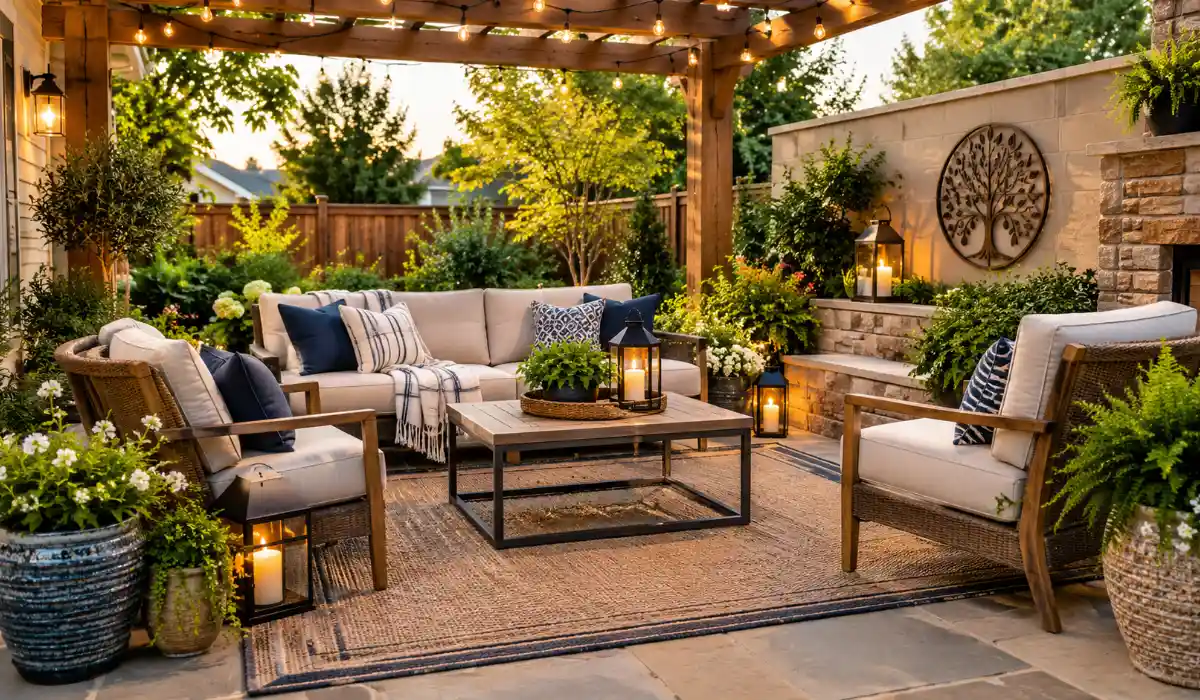
Outdoor Decor
Outdoor decor can turn an ordinary patio, porch, garden, or backyard into a comfortable extension of your home. The right combination of furniture, plants, lighting, textiles, and decorative accents creates a space that feels welcoming without requiring a complete renovation. Whether you have a small apartment balcony, a covered front porch, or a spacious backyard, thoughtful decorating can make the area more attractive and useful.
The best outdoor decor balances appearance, comfort, durability, and maintenance. Instead of buying accessories simply because they are popular, start by considering how you want to use your space. A quiet reading corner needs different furnishings from an outdoor dining area, while a family backyard may need flexible seating, clear walkways, and easy-to-clean surfaces.
In this guide, you will discover practical outdoor decorating ideas for different areas of your home, ways to coordinate colors and materials, budget-friendly improvements, and tips for keeping your space attractive through changing seasons.
1. Start With a Clear Outdoor Decorating Plan
Before purchasing furniture or decorative accessories, decide what your outdoor area needs to accomplish. A decorating plan helps you spend money on useful improvements instead of collecting items that do not work together.
Identify the Purpose of Your Outdoor Space
Think about the activities you enjoy and how many people will regularly use the area. Your answers will guide the furniture, layout, and accessories you choose.
For example:
- Relaxation: Create a comfortable seating corner with supportive chairs, soft cushions, a side table, and gentle lighting.
- Outdoor dining: Choose a dining table that fits the available space, with chairs that are easy to move.
- Gardening: Add containers, attractive plant stands, and a convenient place to store small gardening tools.
- Entertaining: Arrange seating so guests can talk comfortably without blocking entrances or walkways.
- Family activities: Leave enough open space for children to play and choose furnishings that are easy to clean.
- Quiet reading: Position a chair in a shaded corner and add a small table for books or drinks.
If your outdoor area serves several purposes, divide it into practical zones rather than filling every corner with furniture.
Measure the Space Before Buying Decor
Measure the available floor area, noting doors, steps, railings, built-in planters, and other features that affect furniture placement. Remember that a piece of furniture needs space around it for people to sit, stand, and walk.
Use painter’s tape to outline the approximate footprint of a sofa, table, or pair of chairs on the ground. This simple step helps you visualize the arrangement before making a purchase.
A small patio may need a compact bistro table and two chairs instead of a large dining set. A wide deck can accommodate separate dining and lounging areas, provided the layout still feels open.
Choose a Consistent Decorating Style
Your outdoor space does not have to match every detail of your interior, but a connection between the two can make your home feel more cohesive.
Consider these popular approaches:
| Decorating style | Main characteristics | Suitable decor |
|---|---|---|
| Modern | Clean lines, simple shapes, restrained colors | Minimalist furniture, geometric planters, streamlined lighting |
| Rustic | Natural textures and warm finishes | Wood furniture, stone accents, woven baskets |
| Coastal | Light colors and relaxed materials | White cushions, blue accents, striped textiles |
| Bohemian | Layered patterns and varied textures | Colorful pillows, patterned rugs, mixed planters |
| Traditional | Balanced arrangements and classic details | Coordinated seating, lanterns, symmetrical containers |
| Contemporary natural | Neutral tones with organic shapes | Textured cushions, timber accents, sculptural plants |
Choose one main style and introduce secondary influences carefully. A consistent palette and a few repeated materials can make different pieces feel intentional rather than mismatched.
2. Make Your Patio Comfortable and Inviting
A patio often becomes the main outdoor living area because it provides a convenient place to relax, eat, or meet friends. Its design should support those activities while making the most of the available floor space.
Arrange Furniture Around Conversation
Place chairs and sofas so people can comfortably face one another. If the patio is large enough, arrange seating around a coffee table or a central decorative feature.
Avoid placing every chair against a wall simply because that seems like the easiest arrangement. A more connected seating group can create a welcoming atmosphere, provided it does not obstruct access.
For smaller patios, consider:
- Two comfortable chairs with a compact side table.
- A small loveseat with an outdoor rug.
- Stackable chairs that can be stored when not needed.
- A bench that provides seating without taking up excessive floor space.
- A folding dining table for occasional meals.
For larger patios, a sofa, two accent chairs, and a coffee table can establish an outdoor living room. Keep the arrangement proportional to the patio rather than selecting oversized furniture that dominates the space.
Add Cushions and Outdoor Textiles
Cushions are one of the easiest ways to change the appearance of patio furniture. Neutral seating can feel more distinctive with a combination of solid-color pillows, stripes, botanical prints, or textured fabrics.
Choose textiles specifically intended for outdoor conditions. Look for care instructions, colorfastness information, and guidance on whether the fabric resists moisture or mildew. No outdoor textile is completely maintenance-free, and cushions may still need to be stored during prolonged rain or severe weather.
For a balanced arrangement, use two or three related colors instead of mixing many unrelated patterns. For instance, cream cushions, deep blue pillows, and a few green accents can create a coordinated look without feeling overly formal.
Use an Outdoor Rug to Define the Area
An outdoor rug helps visually connect chairs, sofas, and tables. It can also introduce color and texture to a plain concrete patio or wooden deck.
Choose a rug that fits the furniture arrangement. Ideally, the main seating pieces should relate to the rug rather than appearing scattered around its edges.
Before buying, check whether the rug is suitable for your surface and climate. Some materials dry more quickly than others, while certain rugs can retain moisture if placed on a damp surface. Follow the manufacturer’s cleaning and drying instructions.
Include a Useful Coffee or Side Table
A table gives people a convenient place to set drinks, books, snacks, or small decorative objects. It also makes a seating area feel complete.
A compact round table may work better in a narrow space because it has no sharp corners. A storage table can provide an additional place for outdoor accessories, while a pair of small side tables offers flexibility when guests arrive.
Keep tabletops relatively uncluttered. A small planter, a tray, or a lantern is often enough to make the surface attractive while leaving room for everyday use.
3. Refresh Your Front Porch With Simple Decorative Details
The front porch is one of the first outdoor areas visitors see. A thoughtful arrangement can improve your home’s overall appearance without requiring extensive changes.
Create a Welcoming Entryway
Start with the entrance itself. Sweep the floor, remove unnecessary objects, and check that the door area is easy to access.
A coordinated doormat, a suitable planter, and a clean porch light can create a more finished appearance. If the porch has enough room, add a small bench or a pair of chairs to make it feel like a usable outdoor space rather than a narrow passage.
Choose decorations that fit the size of the entryway. Large pots may look attractive beside a wide entrance but can overwhelm a narrow porch or obstruct the door.
Decorate With Planters and Seasonal Flowers
Planters bring color and texture to the front of a home. Place them beside the entrance, along suitable porch edges, or near steps where they will not interfere with movement.
For a coordinated arrangement, repeat the same container style or use a consistent color family. Different plant heights can add visual interest without requiring a large number of decorative items.
Select plants according to your local climate, sunlight, and watering needs. A shaded northern porch may require different plants from a sunny southern exposure. Native and regionally suitable plants can also be practical options when they fit the site’s conditions.
Add a Bench or Compact Seating
If space permits, a small bench can make a porch feel more inviting. Add an outdoor cushion or a pair of pillows to introduce color, but keep the arrangement simple enough to maintain.
For a narrow porch, a slim bench against a suitable wall may work better than two separate chairs. On a larger porch, a pair of rocking chairs can create a traditional and relaxed setting.
Make sure any seating remains stable and does not block stairs, door swings, or accessible routes.
Use Seasonal Decorations Thoughtfully
Seasonal decor can refresh a porch without requiring a complete redesign. Try a wreath, a seasonal arrangement of plants, or a change of cushion covers.
For autumn, warm colors and natural textures can create a welcoming look. In spring, flowering plants and lighter textiles can make the entry feel fresh. During winter, use decorations suited to your local weather rather than materials that will quickly deteriorate outdoors.
Keep the basic furnishings versatile so you can update a few accessories instead of replacing everything each season.
4. Bring Life to Your Backyard With Plants and Greenery
Plants are among the most versatile decorating elements because they introduce color, texture, height, and seasonal change. They can soften hard surfaces, frame seating areas, and connect a patio with the surrounding garden.
The key is to choose plants that suit the conditions rather than selecting them based on appearance alone.
Group Planters for a More Designed Look
A collection of containers can look more intentional when the pots vary in height but share a related color, material, or shape.
For example, place a tall planter beside a seating area, a medium container near the steps, and a smaller pot on a sturdy outdoor table. Use different plant forms to create contrast, such as upright grasses, rounded foliage, and trailing plants.
Avoid filling every available corner with pots. Leave some open space so the plants remain visible and people can move around comfortably.
Create a Vertical Garden
Vertical gardening can help make a small patio or balcony feel greener without using much floor space. Depending on the available structure, you could use a wall-mounted planter, a freestanding plant ladder, or a trellis with suitable climbing plants.
Before installing anything, confirm that the wall, railing, or support can safely carry the weight of the containers and wet growing medium. Use an appropriate mounting system and consider where excess water will drain.
Vertical arrangements also need enough light and access for watering. A visually attractive location may not be suitable if the chosen plants cannot thrive there.
Choose Plants for Your Climate
The United States includes a wide range of growing conditions. A planting arrangement that works well in a mild coastal climate may struggle in a region with intense summer heat, freezing winters, or prolonged drought.
When selecting plants, consider:
- Sunlight: Determine whether the location receives full sun, partial shade, or mostly shade.
- Water needs: Group plants with similar watering requirements when possible.
- Temperature: Check whether a plant can tolerate your region’s winter lows and summer heat.
- Container size: Choose pots that provide enough room for the plant’s roots and allow for drainage.
- Maintenance: Consider pruning, watering, seasonal cleanup, and repotting requirements.
- Wildlife: If you want to attract pollinators, choose appropriate flowering plants and avoid unnecessary pesticide use.
Native plants can be especially useful when they are suited to your particular location. However, native does not automatically mean suitable for every yard, so confirm the plant’s local growing requirements.
Add Height and Texture With Trees and Shrubs
Trees and shrubs can provide a more established appearance, create visual boundaries, and introduce greenery at different levels. In a compact space, a carefully chosen container tree or a few well-placed shrubs may be sufficient.
Think about the mature size of each plant before placing it near a walkway, patio, wall, or utility area. A small nursery plant may eventually become too large for its location.
Avoid choosing plants solely for their immediate appearance. Long-term size, maintenance needs, root space, and local growing conditions all affect whether the arrangement will remain practical.
5. Use Outdoor Lighting to Create Evening Atmosphere
Lighting can make a patio or backyard feel more welcoming after sunset. It also helps distinguish activity areas and makes outdoor spaces more comfortable to use in the evening.
The most successful lighting plans combine different types of light rather than relying on a single bright fixture.
Hang String Lights for a Relaxed Look
String lights can introduce a warm decorative glow above a seating area or dining table. They work especially well when arranged along a suitable structure, such as a pergola or a properly supported outdoor lighting system.
Before installation, check the product’s outdoor-use rating, mounting requirements, and electrical instructions. Use supports designed to carry the load, and do not attach lights to tree branches or structures that cannot safely support them.
Keep cables away from walking routes, water accumulation, and areas where furniture may damage them. If electrical installation is required, use a qualified professional where appropriate.
Layer Path, Accent, and Seating Lighting
Different lighting types serve different purposes.
| Lighting type | Main purpose | Possible placement |
|---|---|---|
| Path lighting | Helps illuminate walking routes | Along suitable garden paths and steps |
| Accent lighting | Highlights a feature | Near a planter, textured wall, or tree |
| Table lighting | Adds localized illumination | On a dining or side table |
| String lighting | Creates decorative atmosphere | Above a patio or seating area |
| Wall lighting | Illuminates an entrance or exterior wall | At appropriate exterior locations |
Choose lighting levels that suit the space. Bright task lighting may be useful near a cooking area, while softer illumination can make a reading corner or conversation space feel more relaxing.
Consider Solar Lighting
Solar lights can be convenient where wiring is difficult or unnecessary. Their performance depends on the product, available sunlight, weather, battery condition, and seasonal daylight.
Place solar panels where they receive suitable exposure, and follow the manufacturer’s instructions for positioning and maintenance. Shaded locations may not provide enough charging time for consistent evening use.
For any lighting system, prioritize safe installation and avoid directing unnecessary bright light toward neighboring homes or areas where it may disturb wildlife.
6. Decorate Outdoor Walls, Fences, and Vertical Surfaces
Outdoor walls and fences can provide useful decorative space, especially in small yards where there is limited room for furniture.
However, exterior materials are exposed to moisture, sunlight, temperature changes, and wind. Select decorative pieces that are intended for outdoor use and appropriate for the surface where they will be installed.
Choose Outdoor Wall Art
Metal artwork, weather-suitable decorative panels, and purpose-made outdoor sculptures can add personality to a plain wall.
Choose one larger feature or a small coordinated group rather than covering the entire surface with unrelated objects. Consider how the piece will look from the seating area and whether it complements the home’s exterior.
Before drilling or mounting anything, check the wall material, attachment requirements, and location of concealed utilities. Decorative items must be secured appropriately for the expected wind exposure.
Use Trellises and Climbing Plants
A trellis can add height, soften a fence, and support suitable climbing plants. It may also help divide a larger backyard into visually distinct areas.
Select a trellis material that works with the home’s style and the local climate. Ensure the structure is properly supported, and choose plants that will not become difficult to manage in the available space.
Keep vines away from surfaces or building components where their growth could create maintenance problems. Check plant growth regularly and prune as needed.
Make a Plain Fence More Attractive
A fence does not need extensive renovation to become part of the decorating scheme.
Try repeating a small number of container plants along a suitable section, adding a weather-resistant decorative panel, or placing outdoor seating in front of an attractive portion of the fence.
For a more cohesive look, coordinate the fence’s color with nearby furniture and planters. If you intend to paint or stain the fence, choose a product designed for the material and exterior exposure.
7. Choose Outdoor Furniture That Balances Style and Durability
Furniture is often one of the most visible parts of an outdoor decorating scheme. The best choice depends on the climate, intended use, available storage, maintenance preferences, and budget.
There is no single material that is ideal for every outdoor space.
Compare Common Outdoor Furniture Materials
| Material | Advantages | Considerations |
|---|---|---|
| Aluminum | Often lightweight and easy to move | Check the finish and stability of the frame |
| Teak and other suitable hardwoods | Natural appearance and substantial feel | May require cleaning, maintenance, or periodic treatment |
| Wicker-style resin | Offers a woven look and a range of styles | Check construction quality and the manufacturer’s weather guidance |
| Steel or wrought iron | Can provide a solid, traditional appearance | Protective finishes and rust prevention may be important |
| Plastic or resin | Often easy to clean and available in many colors | Quality, stability, and UV resistance vary |
| Concrete or stone | Can create a substantial, architectural look | Heavy weight makes placement and movement more difficult |
Compare product specifications instead of relying on a material’s name alone. Construction, coatings, fasteners, cushion fabrics, and maintenance instructions all influence long-term performance.
Select Furniture for Your Climate
In hot, sunny regions, consider how materials and cushions respond to direct sunlight and high temperatures. Dark surfaces may become uncomfortable to touch when exposed to strong sun.
In rainy or humid climates, check whether cushions can dry properly and whether furniture has suitable drainage or protective finishes. In areas with freezing winters, follow the manufacturer’s guidance on storing or protecting furniture during the off-season.
Coastal conditions can create additional challenges because salt exposure may affect some finishes and metal components. Choose products suited to the environment and clean them as directed.
Protect Furniture During Bad Weather
Even furniture marketed for outdoor use can deteriorate if it is neglected.
A simple care routine includes:
- Brush away leaves, dirt, and debris regularly.
- Clean surfaces according to the manufacturer’s recommendations.
- Allow cushions and fabrics to dry before storing them.
- Use compatible protective covers when appropriate.
- Store removable accessories in a dry place during extended periods of harsh weather.
- Check frames, fasteners, and supports periodically for damage or looseness.
Avoid covering wet furniture for long periods if the cover traps moisture. Proper airflow and following the product’s care instructions can help reduce preventable problems.
8. Make a Small Balcony or Compact Patio Feel Larger
A small outdoor space can still be attractive and useful. The key is to select furnishings carefully, make use of vertical space, and avoid unnecessary visual clutter.
Choose Furniture With a Small Footprint
A compact bistro set can provide a place for morning coffee without occupying the entire balcony. Folding chairs, nesting tables, and slim benches can also help make a limited area more flexible.
Before purchasing furniture, measure the space and confirm that doors can open fully and access routes remain clear.
Use Vertical Decorating Elements
Wall-mounted planters, suitable railing planters, and freestanding plant stands can introduce greenery without filling the floor with pots.
Make sure railing-mounted containers are approved for the railing and secured against movement. Avoid arrangements that could fall onto people below, especially in multistory buildings.
If you rent an apartment, check the property rules before drilling, attaching fixtures, or modifying the balcony.
Keep the Color Palette Simple
A small area may feel more organized when its main colors are repeated. Choose a neutral base, then add one or two accent colors through cushions, planters, or a small outdoor rug.
This does not mean every item must match. A few contrasting textures can make the arrangement interesting without creating visual clutter.
Use Storage That Doubles as Seating
A storage bench or compact table with an appropriate storage compartment can help organize small accessories. Choose products intended for outdoor conditions and check whether they need protection from rain.
Store only items that can tolerate the storage environment. Cushions, paper goods, and other moisture-sensitive accessories may need a dry indoor location instead.
9. Create a Relaxing Garden With Thoughtful Decor
A garden can be more than a collection of plants. With a few deliberate choices, it can become a place to read, enjoy morning coffee, entertain guests, or appreciate seasonal flowers.
Add a Garden Bench or Quiet Seating Corner
Place a bench where it offers a pleasant view or provides a comfortable break from gardening. A location beside a flower bed, beneath suitable shade, or near a quiet corner of the yard can work well.
Check that the ground is stable and that the bench is appropriate for outdoor conditions. If the area becomes muddy after rain, consider a suitable firm surface beneath the seating.
Keep nearby plants at a manageable height so they do not crowd the bench or make the space difficult to maintain.
Use Decorative Containers to Add Structure
Pots and planters can help connect the garden to the patio. Repeating a few container styles creates continuity, while differences in plant shape and height provide variety.
For example, place upright ornamental grasses in a tall container, flowering plants in a medium pot, and trailing greenery in a lower planter. Choose plants with compatible growing requirements and make sure every container has suitable drainage.
A grouping of three containers with different heights can be a useful starting point, but the arrangement should suit the scale of the space rather than follow a fixed formula.
Introduce a Garden Focal Point
A focal point gives the eye somewhere to rest. It might be a distinctive planter, a small water feature, a sculptural object, or an attractive tree.
Choose one main feature for a compact garden. In a larger landscape, different areas may have their own focal points, provided they do not compete visually.
Think about the view from the house as well as the view from the garden itself. A feature placed where it can be seen through a window may provide visual interest even when you are indoors.
Keep Garden Decor in Balance With Nature
Too many ornaments can make a garden feel crowded. Use decorative pieces to support the landscape rather than hide it.
Natural textures such as wood, stone, and woven materials can work well with greenery, but choose finishes appropriate for outdoor exposure. Avoid placing delicate decorative objects where they are likely to be damaged by wind, rain, irrigation, or garden maintenance.
10. Decorate an Outdoor Dining Area for Everyday Use
An outdoor dining area should be attractive enough for entertaining but practical enough for ordinary meals. Comfort, access, shade, and easy cleanup matter as much as appearance.
Select the Right Dining Table
Choose a table based on the number of people who usually eat outside and the amount of space available around it.
A small round table can suit a compact patio, while a rectangular table may work better for a larger family or a long deck. Extendable tables can offer flexibility when you host occasional gatherings.
Check the table’s dimensions and allow sufficient room for chairs to move in and out. Avoid placing dining furniture where it blocks a main doorway or interrupts a walking route.
Add a Centerpiece That Is Easy to Maintain
A simple centerpiece can make an outdoor table feel finished. Consider a small planter, a low arrangement of seasonal flowers, or a tray that can be moved easily when food is served.
Keep the centerpiece low enough for people to see one another across the table. Choose materials that are easy to clean and do not become damaged by ordinary outdoor exposure.
Avoid leaving delicate decorations outside in severe weather, and do not use decorative materials near open flames unless they are suitable for that purpose.
Create Shade Above the Dining Space
A suitable patio umbrella can provide flexible shade, while a pergola or awning may offer a more permanent design feature.
Choose a shade solution that fits the area and can be secured according to the manufacturer’s instructions. Umbrellas should be closed or secured as directed during strong winds.
For a permanent structure, consider how the design affects drainage, access, and the home’s exterior. Structural attachments may require professional advice or local approval, depending on the project and location.
Keep Serving and Storage Practical
If you regularly eat outside, a compact serving cart or outdoor-rated storage unit may help organize tableware and accessories.
Use storage products appropriate for the local climate and keep food, cleaning products, and other sensitive items in suitable conditions. A decorative setup should not make everyday use more complicated.
11. Use Color and Texture to Give Outdoor Decor Personality
Color and texture help connect different pieces of furniture and accessories. They can also change the mood of an outdoor space without requiring major purchases.
Begin With a Base Color Palette
Choose one or two main colors for larger elements, such as furniture frames, rugs, and cushions. Then introduce smaller accents through planters, pillows, table accessories, and seasonal flowers.
Possible combinations include:
- Warm and natural: Sand, cream, brown, and muted green.
- Coastal: White, soft blue, navy, and natural wood.
- Modern contrast: Charcoal, warm beige, and a restrained accent color.
- Garden-inspired: Green, terracotta, cream, and soft floral shades.
- Colorful and relaxed: A neutral base with selected coral, yellow, or blue accents.
Use these combinations as starting points rather than strict rules. Your home’s exterior color, existing flooring, and surrounding landscape should influence the final selection.
Mix Textures for Visual Interest
A space can feel flat when every surface has the same finish. Contrast can come from smooth metal, woven furniture, textured cushions, wood, stone, and foliage.
For instance, a smooth tabletop can be paired with woven chairs and a textured rug. A plain fence can become more interesting when framed by leafy plants.
Keep the number of competing textures manageable. Repeating two or three materials in different areas often creates a more coordinated look than introducing a new finish for every item.
Use Patterns Without Overcrowding the Space
Striped cushions, botanical prints, and geometric rugs can all work outdoors. The challenge is making them feel related.
Choose one prominent pattern and support it with smaller or simpler designs. If the rug has a strong geometric print, solid cushions may provide a useful visual break.
Patterns also need to suit the scale of the area. Large, bold designs can become overwhelming in a very small space, while tiny patterns may lose their impact across a large patio.
12. Add Shade and Privacy Without Losing the Open-Air Feel
Shade and privacy can make an outdoor area more comfortable, particularly when it faces neighboring properties or receives strong afternoon sun.
Use Umbrellas and Suitable Shade Structures
A movable umbrella can provide shade where it is needed most. Choose a size that covers the seating or dining area without blocking doors or taking up too much space.
A pergola can create a more defined outdoor room, while an awning may provide shade close to the house. The right choice depends on the existing layout, weather exposure, and installation requirements.
Do not assume a decorative shade structure is automatically safe in high winds. Follow the manufacturer’s instructions and obtain qualified advice for permanent installations where needed.
Create Privacy With Planters and Screens
Tall planters, suitable shrubs, trellises, and purpose-built outdoor screens can help create a sense of separation.
Consider the direction of views from neighboring properties and the amount of privacy you actually need. A single screen near a seating area may be more effective than surrounding the entire yard with barriers.
Check local requirements, property rules, and the suitability of any attachment before installing a screen or making changes to a fence.
Select Plants for Natural Screening
Plants can provide a softer alternative to solid barriers. Depending on the space, you might use a suitable hedge, upright ornamental grass, or container-grown shrub.
Consider mature height, width, watering requirements, and seasonal appearance before choosing a plant. Evergreen species may retain foliage throughout the year in suitable climates, while deciduous plants may provide more seasonal variation.
Do not plant large shrubs where their mature size could block paths, interfere with structures, or create ongoing maintenance problems.
13. Choose Budget-Friendly Outdoor Decor That Makes a Difference
You do not need to replace every piece of furniture to improve an outdoor space. A few carefully chosen changes can create a noticeable difference when they address the most visible or frequently used areas.
Refresh What You Already Own
Before buying new items, inspect the furniture, planters, and accessories you have.
You may be able to clean a patio set, replace worn cushions, repaint a suitable planter, or rearrange existing furniture to create a more useful layout. Only refinish furniture when the material and product instructions support the proposed treatment.
If a chair is unstable or damaged, address the problem before using it. Decorative improvements should not take priority over safety and function.
Focus on High-Impact Changes
If your budget is limited, consider making improvements in this order:
- Clean the patio, porch, or deck.
- Rearrange existing furniture for better use of space.
- Add or replace a few cushions.
- Introduce a coordinated planter arrangement.
- Add suitable outdoor lighting.
- Replace accessories that are damaged or poorly suited to the climate.
- Consider larger furniture or landscaping changes only when needed.
This approach helps you see what the space needs before committing to more expensive purchases.
Repurpose Items Carefully
Some household items can be adapted for outdoor use, but indoor products are not necessarily suitable for exposure to moisture, sunlight, and temperature changes.
A wooden object may require a compatible exterior finish. A fabric accessory may fade or develop mildew. Metal pieces may corrode if their coating is unsuitable for outdoor conditions.
Before repurposing an item, consider its material, condition, expected exposure, and the effort needed to maintain it. If it cannot withstand the intended environment, using it indoors may be the better choice.
Compare Cost With Long-Term Maintenance
The lowest purchase price does not always represent the best value. An inexpensive item may need more frequent cleaning, replacement, or protection than a more durable alternative.
Compare the following when shopping:
- Initial purchase price.
- Expected cleaning and maintenance.
- Need for seasonal storage.
- Suitability for local weather.
- Availability of replacement parts or cushions.
- Ease of moving or storing the item.
The goal is not to buy the most expensive decor. It is to select pieces that meet your needs and remain practical over time.
14. Adapt Your Outdoor Decor to the Seasons
Outdoor spaces change with the weather, so a flexible decorating scheme can be more practical than one that depends on a single season.
Rather than replacing every accessory throughout the year, keep the main furniture and larger design elements relatively versatile. Update a few smaller items when the weather or your preferred activities change.
Spring: Introduce Fresh Color and Greenery
Spring is a good time to clean outdoor surfaces, inspect furniture, and prepare planters for new growth.
Consider adding flowering plants suited to your climate, washing outdoor cushions according to their care labels, and refreshing a doormat or table arrangement. Check pots for adequate drainage and remove damaged plant material.
If you use seasonal flowers, choose varieties that suit the available sunlight and local temperatures. Do not assume that every spring plant will tolerate a late frost.
Summer: Focus on Shade and Comfort
During hot weather, shade and comfortable seating become especially important. Position chairs where people can enjoy the space without sitting directly in intense sunlight for extended periods.
Use breathable outdoor textiles, suitable umbrellas, and convenient tables for drinks. Keep an eye on containers because plants may need more frequent watering during hot or dry periods.
Check that umbrellas, shade structures, and lightweight decorations are secured according to their instructions. Strong winds can damage items that seem stable during calm weather.
Autumn: Add Warm Colors and Seasonal Textures
Autumn decorating can emphasize warm neutral shades, textured cushions, lanterns, and suitable seasonal plants.
Clear fallen leaves from furniture, drains, and walking areas. Remove wet debris from rugs and cushions, and avoid leaving moisture-sensitive materials outside for extended periods.
If you enjoy seasonal displays, use a few coordinated decorations rather than covering every surface. This keeps the outdoor area attractive and easier to clean.
Winter: Protect Furniture and Simplify the Layout
Winter requirements vary considerably across the United States. Some regions experience freezing temperatures and snow, while others remain relatively mild.
Follow the care instructions for furniture, cushions, planters, and decorative lighting. Store removable items where appropriate, protect vulnerable materials, and inspect the space after severe weather.
In colder climates, check whether containers need protection from freezing conditions and whether outdoor fixtures require seasonal maintenance. Avoid using outdoor heating equipment in ways that conflict with its safety instructions.
15. Outdoor Decor Trends Worth Adapting to Your Home
Design trends can provide inspiration, but they are most useful when adapted to your space, budget, and lifestyle.
A recent 2026 U.S. Houzz Outdoor Trends Study surveyed 1,191 homeowners who had completed, were undertaking, or were planning outdoor or exterior improvements. In the renovated outdoor spaces covered by the study, 83% included a lounge or seating area, and 66% of lounge areas included outdoor lighting. These findings suggest that comfort and evening usability are important considerations for many participating homeowners, although the survey should not be treated as a description of every US household. houzz.com+1
Here are several ideas you can adapt without following every trend.
Outdoor Spaces That Feel Like Living Rooms
Comfortable seating, side tables, rugs, and coordinated cushions can make a patio feel like another room of the house.
You do not need an expensive outdoor sofa to achieve this look. A pair of comfortable chairs, a small table, and a few coordinated accessories can create a similar sense of purpose in a compact space.
Natural Materials and Earthy Colors
Wood, stone, woven textures, and earthy colors can complement a garden setting. These materials can also help connect furniture and accessories with the home’s exterior.
Choose materials according to their actual performance and maintenance needs, not just their appearance. A natural finish may require more care than a suitable manufactured alternative.
Low-Maintenance Planting
Planting arrangements that suit the local climate can reduce unnecessary watering, replacement, and maintenance.
Consider regionally appropriate plants, practical ground cover, and containers that are easy to reach. Low-maintenance does not mean maintenance-free, so account for watering, pruning, seasonal cleanup, and the eventual size of each plant.
Flexible Furniture and Multifunctional Accessories
Furniture that can be rearranged, folded, or stored can be especially helpful in smaller outdoor areas.
A movable side table, folding chairs, or a storage bench may provide more value than a large decorative piece that serves only one purpose.
The best trend is one that improves how you actually use your outdoor area. If a popular feature creates more work or takes up space you need, there is no reason to include it.
16. Common Outdoor Decorating Mistakes to Avoid
Even attractive products can produce disappointing results when they do not suit the space. Avoiding a few common mistakes can help you create a more comfortable and cohesive outdoor area.
Buying Furniture That Is Too Large
Oversized furniture can dominate a small patio and make it difficult to move around. Measure the space before purchasing and check the dimensions of every major piece.
Leave enough room for chairs to move, doors to open, and people to pass safely.
Choosing Materials Without Considering the Weather
Furniture and textiles can deteriorate when they are exposed to conditions for which they were not designed.
Check product specifications for sunlight, moisture, temperature, and maintenance requirements. Use appropriate protection when needed rather than assuming every item sold as decorative is suitable for year-round outdoor use.
Using Too Many Colors and Patterns
An outdoor space can feel disorganized when every cushion, rug, planter, and accessory introduces a new color or pattern.
Choose a small core palette and repeat it across several items. Add variety through texture, plant shapes, and a few carefully selected accents.
Ignoring Drainage and Water Exposure
Containers without suitable drainage can create problems for plants, while rugs and cushions that remain damp may become unpleasant or deteriorate.
Follow product instructions and consider where rainwater and irrigation water will go. Do not position decorations where they block drains or create slippery walking surfaces.
Placing Decorations in Walking Routes
Planters, lanterns, extension cords, and decorative objects can become tripping hazards if they are placed carelessly.
Keep paths and steps clear, secure lighting cables appropriately, and position heavy containers where they are unlikely to be knocked over.
Decorating Without Considering Maintenance
A display may look beautiful on the day it is assembled but become difficult to manage if it contains too many delicate accessories.
Consider how often you want to clean, water, move, or store the items. A simpler arrangement that suits your routine is often more useful than a complicated display requiring constant attention.
17. A Practical Checklist for Finishing Your Outdoor Space
Use this checklist before you consider your decorating project complete.
- The main purpose of the space is clear.
- Furniture fits the area without obstructing entrances or paths.
- Seating is comfortable for the intended activities.
- The color palette feels coordinated.
- Outdoor textiles are suitable for their intended exposure.
- Planters contain plants suited to the available light and climate.
- Containers have appropriate drainage.
- Lighting products are suitable for outdoor use and safely installed.
- Decorative items are secured where necessary.
- Furniture and accessories can be cleaned and maintained conveniently.
- The space has adequate shade or privacy where needed.
- Seasonal storage and weather protection have been considered.
- The final arrangement leaves enough open space for everyday use.
You do not need to complete every improvement at once. Start with the items that have the greatest effect on comfort and usability, then add decorative details as your budget allows.
Conclusion
Successful outdoor decor is not about filling every corner with furniture and accessories. It is about creating an outdoor space that looks inviting, suits your home’s style, and supports the activities you enjoy.
Start with a clear purpose, measure the available area, and choose furniture that fits comfortably. Add plants for natural color, use lighting to create an inviting evening atmosphere, and introduce cushions, rugs, and decorative accents that complement one another. Consider your local climate when selecting materials, and plan for cleaning, storage, and seasonal changes.
Whether you are refreshing a small front porch or redesigning a spacious backyard, begin with a few useful improvements instead of trying to change everything at once. A thoughtful layout, suitable materials, and coordinated details can help make your outdoor area more comfortable and enjoyable throughout the year.
Frequently Asked Questions About Outdoor Decor
1. What are the best outdoor decor ideas for a beautiful backyard?
Some useful ideas include comfortable seating, coordinated outdoor cushions, attractive planters, layered lighting, a suitable outdoor rug, and a dedicated dining or relaxation area. Choose elements that fit your backyard’s size and intended use rather than adding every available accessory.
2. How can I decorate my patio on a budget?
Start by cleaning and rearranging the furniture you already own. Add a few coordinated cushions, introduce suitable plants, refresh a planter, or use outdoor lighting to improve the atmosphere. Prioritize improvements that make the space more comfortable before purchasing expensive furniture.
3. What outdoor decor works best for small spaces?
Compact furniture, folding chairs, small bistro tables, vertical planters, and multifunctional storage can work well in small spaces. Keep the main walking route clear and use a consistent color palette to create a more organized appearance.
4. Which materials are best for outdoor furniture?
The right material depends on your climate, budget, and maintenance preferences. Aluminum, suitable hardwoods, resin wicker, steel, plastic, and stone can all be useful in different situations. Compare the product’s construction, finish, weather suitability, and care instructions before buying.
5. How can I make outdoor decor last longer?
Clean furniture regularly, follow the manufacturer’s care instructions, protect vulnerable materials from severe weather, and store removable cushions when appropriate. Check fasteners and furniture supports periodically, and address damage before it becomes more serious.
6. How can I make my front porch look more attractive?
Keep the entrance clean, choose a suitable doormat, add coordinated planters, and consider a bench or pair of chairs if space permits. A simple color scheme and a few well-positioned accessories can make the porch feel welcoming without overcrowding it.
7. How do I choose plants for outdoor decorating?
Consider sunlight, temperature, watering requirements, drainage, and the plant’s mature size. Select plants suited to your region and the conditions of the specific location. Native plants can be a good option when they are appropriate for the site.
8. What is the easiest way to make an outdoor area feel cozy?
Combine comfortable seating, soft outdoor cushions, warm lighting, and a few plants or textured accessories. Arrange the furniture so people can relax and talk comfortably. A small, thoughtfully arranged seating area can feel more inviting than a large space filled with unrelated decorations.