Ottoman Furniture: Types, Uses, Styles & Buying Guide
Ottoman furniture has become a popular choice for living rooms, bedrooms, entryways, and other areas because one piece can serve several purposes. Depending on its design, an ottoman can work as a footrest, extra seat, storage unit, accent piece, or even a coffee-table alternative.
Modern ottomans are available in many shapes, sizes, materials and upholstery styles. Some are compact enough for apartments, while oversized versions can become the center of a large seating arrangement. Understanding the different options makes it easier to choose a piece that fits both your room and your lifestyle.
What Is an Ottoman?
So, what is an ottoman? An ottoman is a low, usually cushioned piece of furniture without a back or arms. Its flexible design allows it to perform several functions instead of being limited to one specific purpose. Depending on the model, it can provide a place to rest your feet, sit, store household items, or temporarily place objects.
Ottomans have evolved considerably over time. Historical versions were associated with low upholstered seating, while modern designs range from compact poufs and footrests to large cocktail ottomans and storage benches. Contemporary furniture collections now offer ottomans in traditional, minimalist, contemporary, and eclectic styles.
The important thing to remember is that an ottoman is defined more by its flexibility and form than by one particular appearance. It can be upholstered, wooden, leather-covered, fabric-covered, round, square, rectangular, or specially designed to fit a particular sofa.
Why Ottoman Furniture Is So Versatile
The biggest advantage of ottoman furniture is its ability to perform different jobs in the same room. A single piece can provide comfortable support for your feet while watching television and then become additional seating when guests arrive.
Some designs also provide concealed storage. A hinged or removable top can create space for blankets, cushions, magazines, toys, or other items that you want nearby without leaving them visible. Retail collections commonly include storage, upholstered, round, square, oversized, and cocktail designs for this reason.
An ottoman can also help soften a room visually. Compared with a hard-surfaced coffee table, an upholstered ottoman can introduce fabric, texture, and a more relaxed appearance.
Types of Ottoman Furniture
Ottomans are available in many configurations, so the best type depends on how you want to use the piece.
Storage Ottomans
Storage ottomans combine seating or foot support with a hidden compartment. They are particularly useful in rooms where storage space is limited.
You can use the interior for throws, cushions, children’s items, books, remotes, or other everyday objects. For a small living room, this combination of seating and storage can be more useful than purchasing two separate pieces.
Cocktail Ottomans
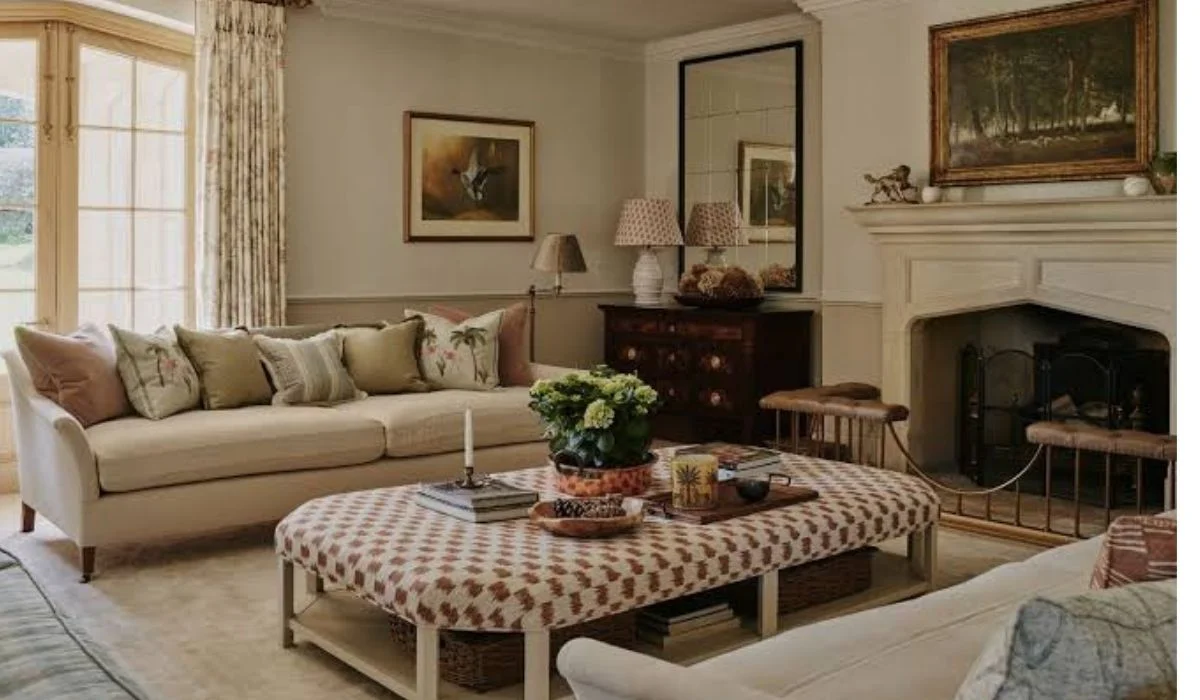
A cocktail ottoman is generally larger and designed to sit centrally within a seating arrangement. It can function as a comfortable footrest while also serving as a soft alternative to a coffee table.
Because the surface is usually upholstered, a tray is useful when you want to place drinks, snacks, books, or decorative objects on top. Contemporary cocktail ottomans are available in different fabrics, shapes, and sizes.
Ottoman Benches
Bench-style ottomans are longer than compact footstools and can provide additional seating. They work particularly well at the end of a bed, along a wall, or in front of a sofa.
Some designs include storage underneath a hinged top, making them useful where both seating and organization are important.
Pouf-Style Ottomans
Poufs are usually smaller, softer, and more casual than larger ottomans. They are easy to move around and can provide an additional footrest or occasional seat.
Their compact size makes them useful in apartments, bedrooms, reading corners, and informal living areas. However, softer poufs may not provide the same stability as a structured ottoman.
Oversized Ottomans
Oversized ottomans are designed for larger seating arrangements and can become a major visual element in a room. They are often paired with sectionals or large sofas.
Before choosing one, measure the entire seating area. A very large ottoman can make circulation difficult if there is not enough open floor space around it.
What Can You Use an Ottoman For?
An ottoman’s versatility is one of its strongest features. You can use the same piece differently depending on the time of day or the needs of your household.
As a Footrest
The most familiar use is providing a comfortable place to rest your feet while sitting on a sofa or chair. This can make a seating area feel more relaxed without requiring a separate recliner.
As Extra Seating
A sturdy, appropriately sized ottoman can provide occasional seating when guests arrive. It is especially useful in homes where seating needs change depending on the occasion.
However, check the manufacturer’s specifications before using an ottoman as regular seating. Not every decorative pouf or footrest is designed to support the same amount of weight.
As a Coffee-Table Alternative
A firm, flat ottoman can replace a traditional coffee table in some living rooms. Add a stable tray to create a harder surface for drinks and accessories.
This approach also makes the room feel softer because the central furniture piece is upholstered rather than constructed entirely from wood, glass, or metal.
As Hidden Storage
Storage ottomans provide an easy way to hide items while keeping them close at hand. This can be especially helpful for smaller living rooms where every piece of furniture needs to perform more than one function.
As a Decorative Accent
An ottoman does not have to match the sofa exactly. A contrasting color, texture, or shape can become an accent while still connecting with other elements in the room.
How to Choose the Right Ottoman Size
Choose an ottoman that fits your sofa, seating area, and available floor space. Measure the sofa, seat height, and walking areas before buying to avoid a piece that feels too large or too small.
Match the Ottoman to Your Sofa
The ottoman should be proportional to your sofa or sectional. Larger seating can accommodate bigger rectangular or square designs, while compact sofas usually suit smaller options.
Consider Ottoman Height
Choose a height that feels comfortable with your sofa or chair. For everyday use, compare the ottoman directly with your existing furniture rather than relying only on standard measurements.
Leave Enough Walking Space
Keep enough open space around the ottoman for comfortable movement. Consider the sofa, rug, side tables, doors, and other furniture when planning the layout.
Ottoman Shapes for Different Rooms
Shape affects both appearance and movement. Choosing the right form can make an ottoman feel integrated rather than added as an afterthought.
Rectangular Ottomans
Rectangular designs work naturally with sofas and sectionals because their long proportions follow the seating arrangement. They are also useful when you want a large central surface.
Square Ottomans
Square ottomans create a balanced look and work well with symmetrical seating arrangements. They can also function effectively as a central footrest for a sectional.
Round Ottomans
Round ottomans soften rooms dominated by straight lines. They are also useful where people move around the furniture from several directions because there are no sharp corners.
Oval and Geometric Designs
Oval and unusual geometric ottomans can introduce more personality into a room. These shapes are particularly effective when the rest of the furniture uses simple forms.
The key is to balance the shape with the room. If you already have several decorative elements, a simpler ottoman may create a more controlled appearance.
Ottoman vs Footstool vs Pouf vs Coffee Table
These terms are sometimes used interchangeably, but they can describe different furniture characteristics.
| Furniture | Typical Purpose | Storage | Surface |
| Ottoman | Footrest, seating, storage, accent | Sometimes | Soft or firm |
| Footstool | Mainly foot support | Usually no | Soft |
| Pouf | Casual seating or footrest | Usually limited | Soft |
| Coffee table | Drinks, decor, everyday items | Sometimes | Hard |
The distinction is not always absolute. Modern furniture designs combine features from multiple categories, so the actual construction and intended use matter more than the label.
Swyft similarly distinguishes ottomans from footstools and poufs based on their structure, firmness, size, and functionality.
How to Style Ottoman Furniture
An ottoman can add both function and style to your living room. Choose colors, textures, and accessories that complement the rest of your furniture.
Add a Tray
A tray creates a stable surface for drinks, books, candles, or decor. Choose a size that leaves some of the ottoman visible.
Coordinate Colors and Textures
The ottoman does not need to match the sofa exactly. Use complementary colors and textures with cushions, curtains, rugs, and other furniture to create a connected look.
Consider the Rug and Floor
Place the ottoman so it works naturally with the rug and seating arrangement. Always consider the complete floor plan to maintain comfortable movement.
Best Ottoman Choices for Small Living Rooms
Ottomans are useful in small living rooms because one piece can serve several purposes. Storage ottomans can provide seating, foot support, and hidden storage without taking up extra floor space.
Compact round ottomans, poufs, and folding designs are also easy to move when more space is needed. For smaller rooms, look for:
- Compact size
- Lightweight construction
- Hidden storage
- Rounded corners
- Easy mobility
- Multifunctional use
Expert Insights for Buying an Ottoman
Before buying, think about how you will use the ottoman most often. A piece intended mainly as a footrest does not necessarily need the same construction as one that will regularly support people sitting on it.
Pay attention to the frame, cushioning, upholstery, legs, hinges, and overall stability. If storage is important, check how the lid opens and whether the compartment provides enough usable space.
Also consider maintenance. A beautiful fabric may not be the most practical choice for a high-traffic family room, while a more durable upholstery may provide better long-term value.
Benefits of Ottoman Furniture
Ottoman furniture can provide several practical advantages:
- Multiple functions: Use one piece as a footrest, seat, storage unit, or table alternative.
- Space efficiency: Multifunctional designs can reduce the number of separate furniture pieces required.
- Comfort: Padded surfaces create a softer alternative to many traditional tables.
- Flexible seating: Ottomans can provide occasional seating when needed.
- Hidden organization: Storage versions help keep everyday items out of sight.
- Design flexibility: They are available in many shapes, colors, materials, and styles.
The combination of comfort and versatility is one reason ottomans continue to appear across modern living-room furniture collections.
Common Ottoman Buying Mistakes
One common mistake is buying based only on appearance. A beautiful ottoman can still be impractical if it is too large, too low, difficult to clean, or poorly suited to the room.
Another mistake is ignoring construction quality. Check the frame, upholstery, stitching, legs, hinges, and cushioning rather than judging the piece only from photographs.
Avoid choosing an ottoman without measuring your existing furniture first. A few minutes spent measuring the room can prevent problems with blocked walkways and awkward proportions.
How to Maintain an Ottoman
Proper maintenance helps an ottoman stay attractive and comfortable for longer. Vacuum or dust the upholstery regularly and clean spills as soon as possible using products recommended for the specific material.
For storage models, avoid overloading the compartment or forcing the lid closed. Check hinges, legs, and other fittings occasionally to make sure the piece remains stable.
Future Trends in Ottoman Furniture
The future of ottoman furniture is likely to focus increasingly on multifunctionality and flexible living. Storage, modular seating, movable pieces, and designs that can switch between footrest, seat, and table functions fit well with changing household needs.
Materials and upholstery are also becoming important design features. Neutral textures, mixed materials, rounded silhouettes, and adaptable pieces can work across different interior styles rather than being tied to one short-lived trend.
The broader direction is toward furniture that does more without taking up unnecessary space. This makes ottomans particularly relevant for apartments, multifunctional rooms, and modern homes where flexibility matters.
Conclusion
Ottoman furniture combines comfort, functionality, and design flexibility in a single piece. Whether you need a footrest, occasional seat, hidden storage, or coffee-table alternative, there is an ottoman style suited to the task.
The best choice depends on your room size, sofa, intended use, material preferences, and maintenance requirements. Measure your space first, consider how the ottoman will function every day, and choose a design that complements your existing furniture.
FAQs
1. What is an ottoman?
An ottoman is a low, usually cushioned piece of furniture that can be used as a footrest, seat, storage unit, or table alternative.
2. What is an ottoman used for?
It can provide foot support, extra seating, hidden storage, or a soft alternative to a coffee table.
3. Can you sit on an ottoman?
Yes, if the ottoman is designed and rated for seating. Always check the manufacturer’s specifications before using it regularly as a seat.
4. What is the difference between an ottoman and a pouf?
Ottomans are generally more structured and may include storage, while poufs are typically softer, smaller, and more casual.
5. Can an ottoman replace a coffee table?
Yes. A firm ottoman can work as a coffee-table alternative, especially when paired with a stable tray.
6. Are storage ottomans good for small rooms?
Yes. They combine seating or foot support with hidden storage, helping a small room serve multiple functions.
7. Which ottoman shape is best for a sectional?
Large rectangular or square ottomans often work well with sectionals, but the best choice depends on the sectional’s dimensions and room layout.
8. How do I choose the right ottoman size?
Measure your sofa, seating area, walking paths, and available floor space before choosing the ottoman.